Yingzhe Fan
Warren of Memories
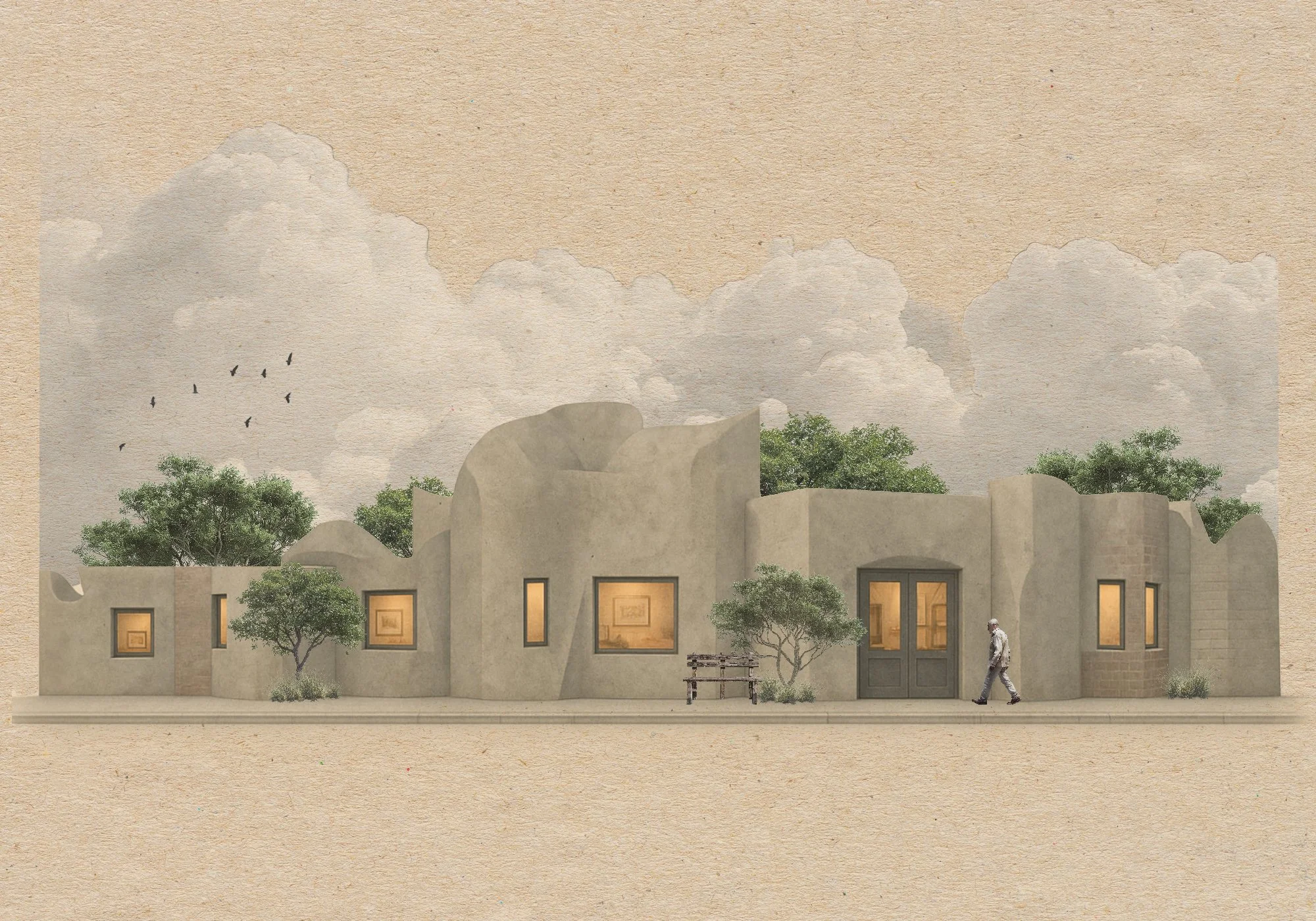
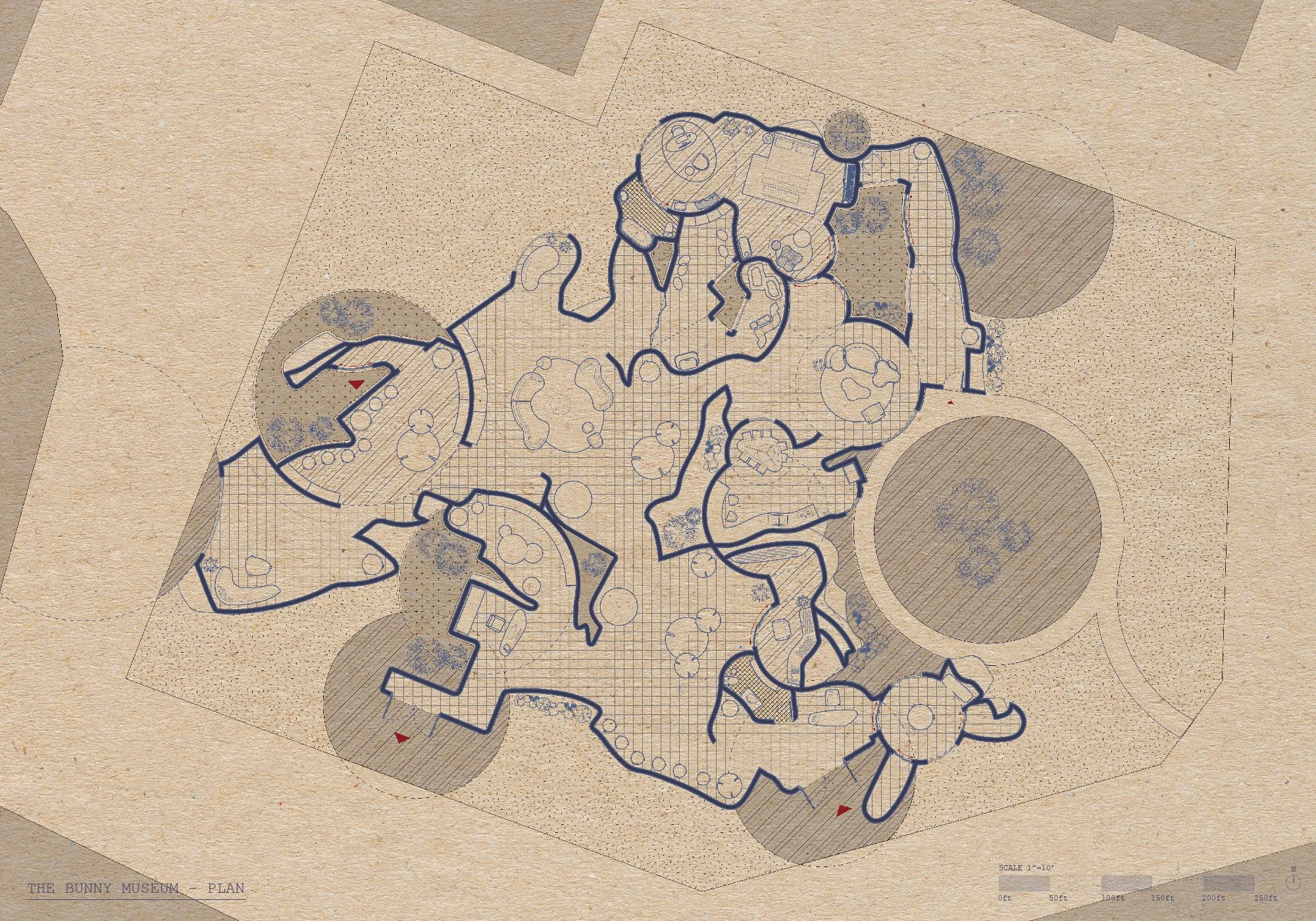
When a wildfire reduces forty years of history to ashes, fragmented information becomes the only remnant. How can these fragments be reassembled into a new memory? This project takes the Bunny Museum, destroyed in the 2025 Los Angeles wildfire, as its starting point to explore how fragmented and dematerialized memories can be used to reconstruct architecture. Collecting public recollections of the museum from social media, the project transforms private and sentimental recollections into a vessel of collective memory.
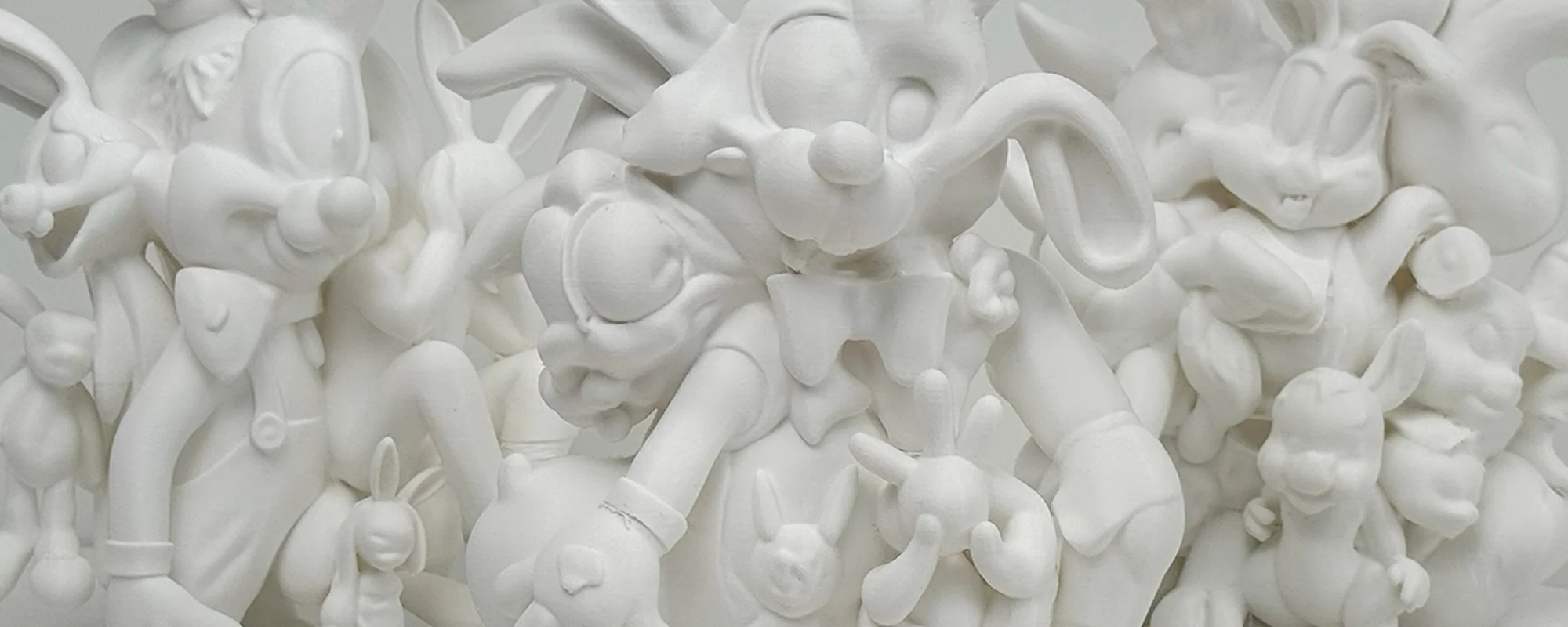
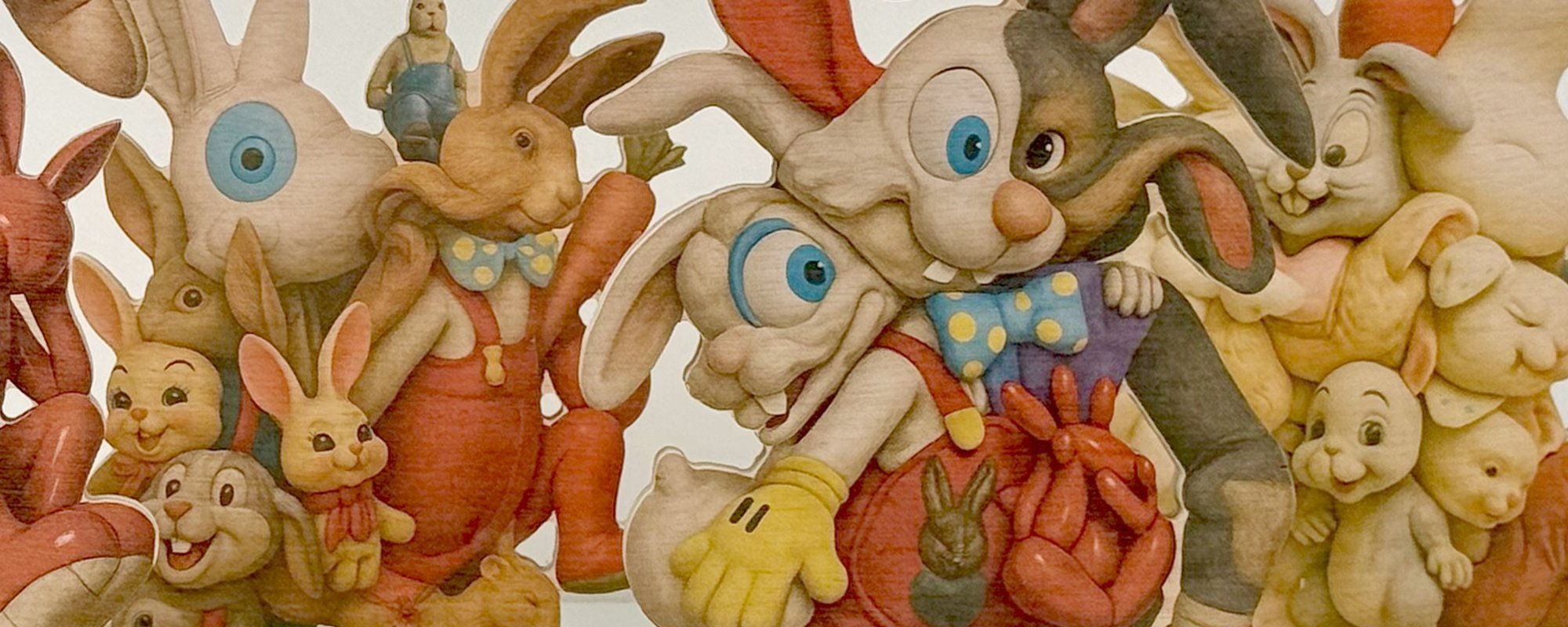
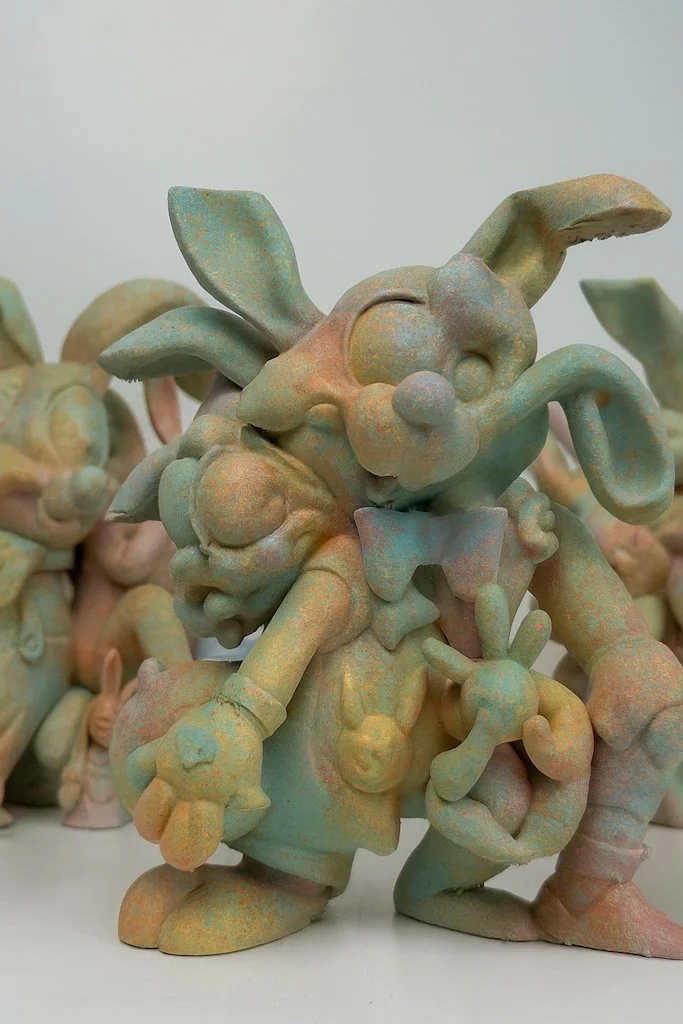
Memory is not a fixed reproduction of the past, but an ongoing act of construction—continually generated, reinterpreted, and mediated by present contexts and emotional states. Each instance of remembering constitutes a perceptual reconstruction, shaped by the interplay between internal affect and external circumstance. It is a form of re-collaging: a re-memory of memory itself, composed of fragments reassembled through the lens of the present. The five surreal, slightly uncanny bunny collages—oddly charming—are constructed from fragmented recollections sourced from social media. They serve as visual manifestations of the Bunny Museum’s affective atmosphere: eccentric, disorienting, and densely layered. This crowded and peculiar sensibility mirrors my initial impression of the museum as encountered through the digital archive—intensely compact, bizarre, yet strangely compelling.
As time passes, memory inevitably begins to fade—details are gradually erased, leaving behind only blurred outlines and traces of sensory experience. This is the dematerialization of memory. You no longer recall the exact shapes, colors, or materials of each rabbit in the Bunny Museum. What remains is an impression: a crowded, colorful, and bizarre space. It is as if bunny toys are forcefully embedded into these architectural volumes, echoing the disjointed way memory occupies space after material references have been lost. Using memory recomposition as a design methodology, the project does not attempt to restore or replicate the past. Instead, it reassembles and regenerates lost fragments to create a new spatial experience where multiple layers of memory coexist and intersect.