Yi Cheung
Taste of Living
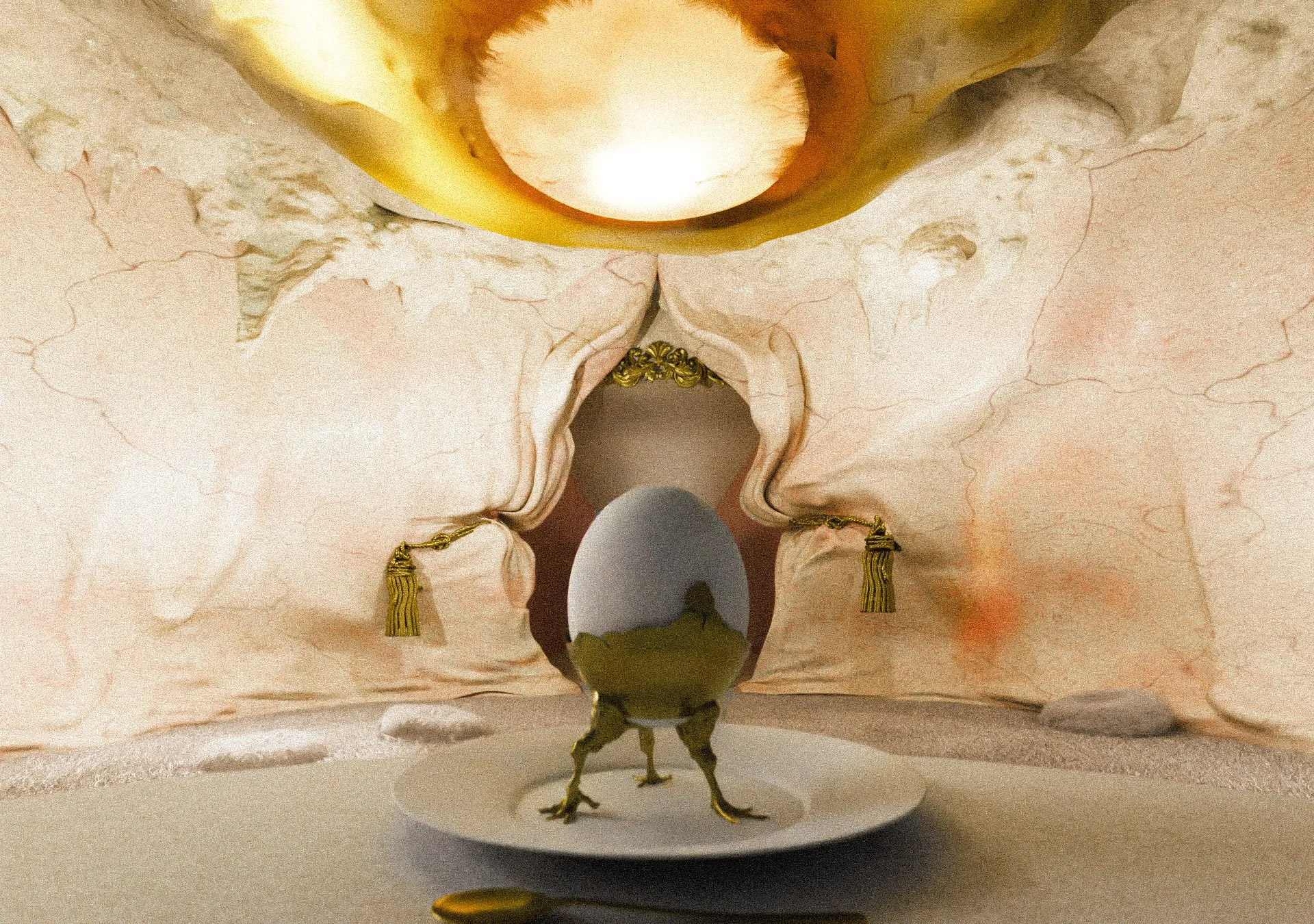
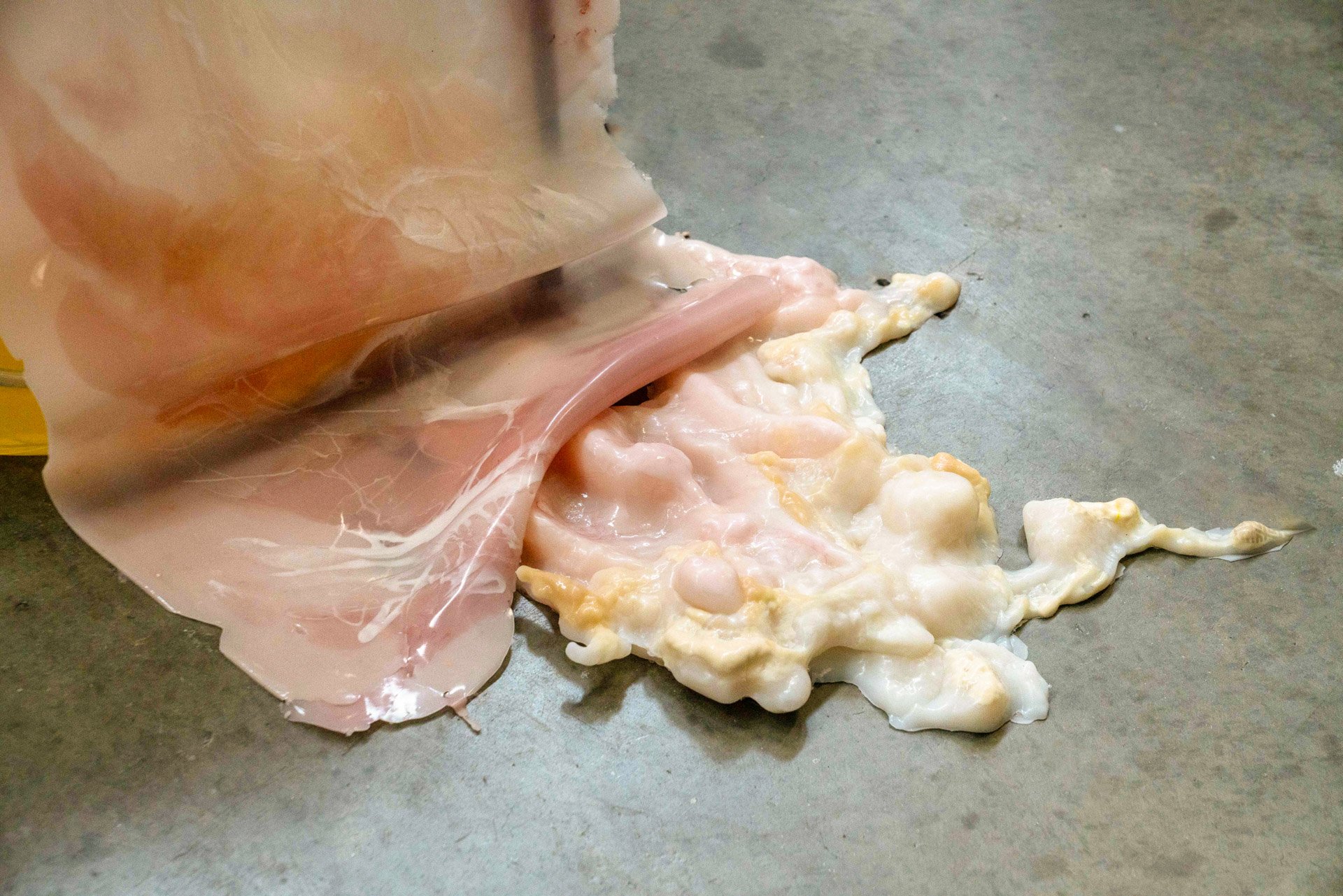
When a chicken becomes a meal, it is of course dead. Yet when the meal is still in the form of its raw material, the chicken thigh for example, it somehow still feels alive. This lingering sense of life seems to persist in the aesthetic qualities of rawness itself: the primal and visceral materiality that resists full abstraction.
Contemporary culinary culture has become an aesthetic abstraction. Thinly sliced scallops are sculpted into delicate art pieces, plated on minimal vessels and dressed in lavish syrup —systematically abstracted away from the living origin. This culturally constructed apparatus seeks to mediate consumption through spectacle — in Guy Debord’s sense, masking the reality and reinforcing the conceptual wall between us as the flesh-consuming animal and the flesh that we consume.
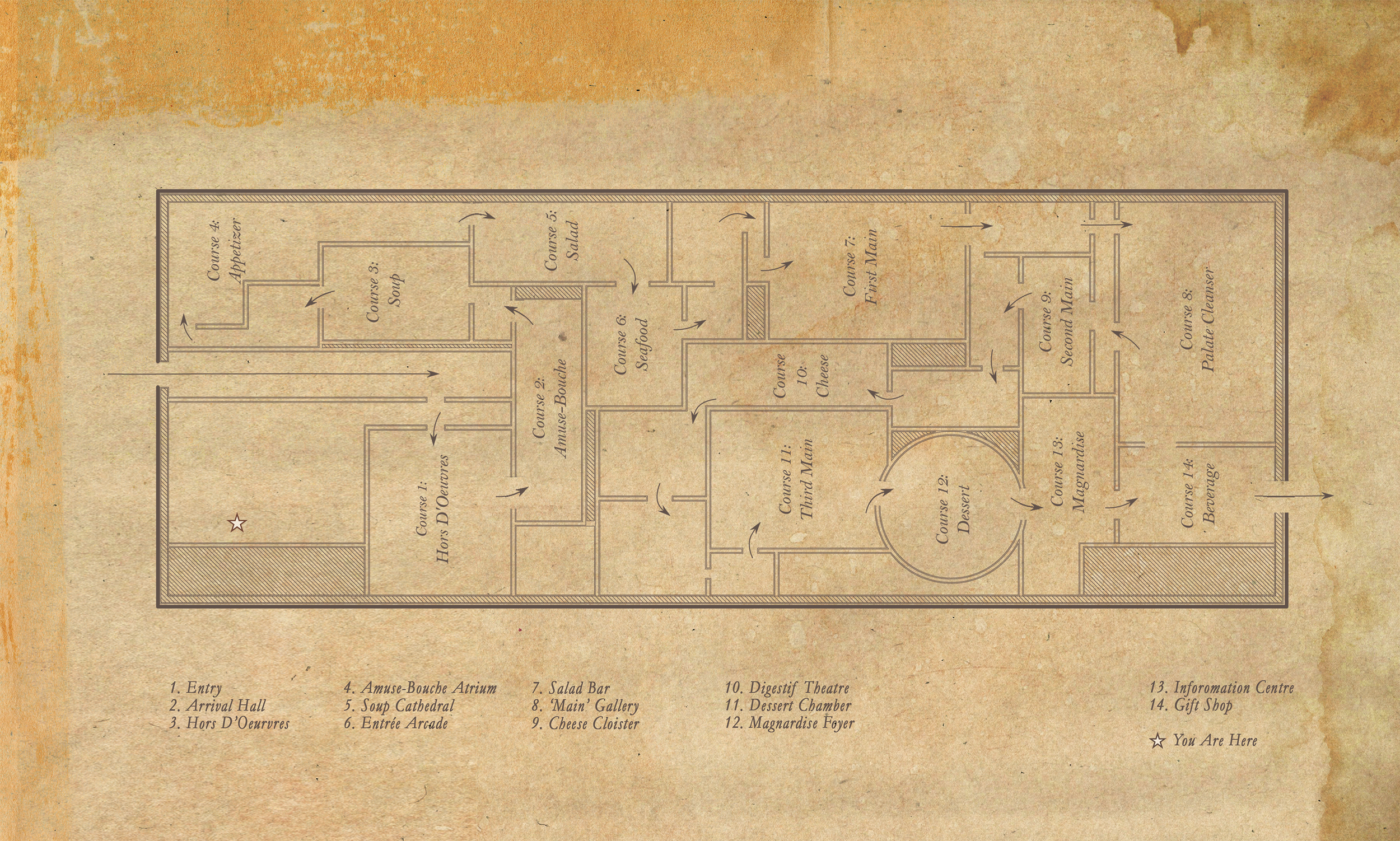
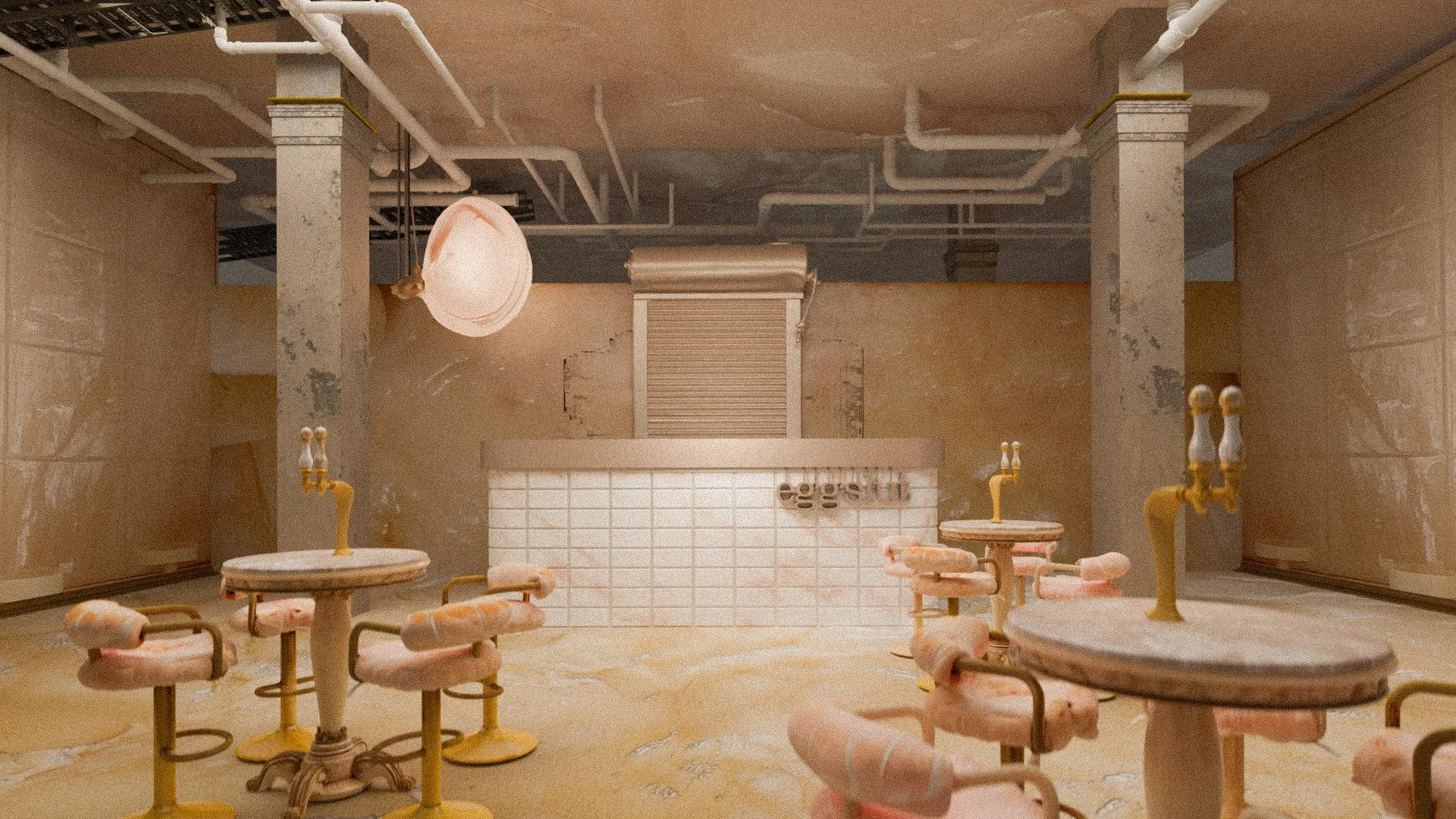
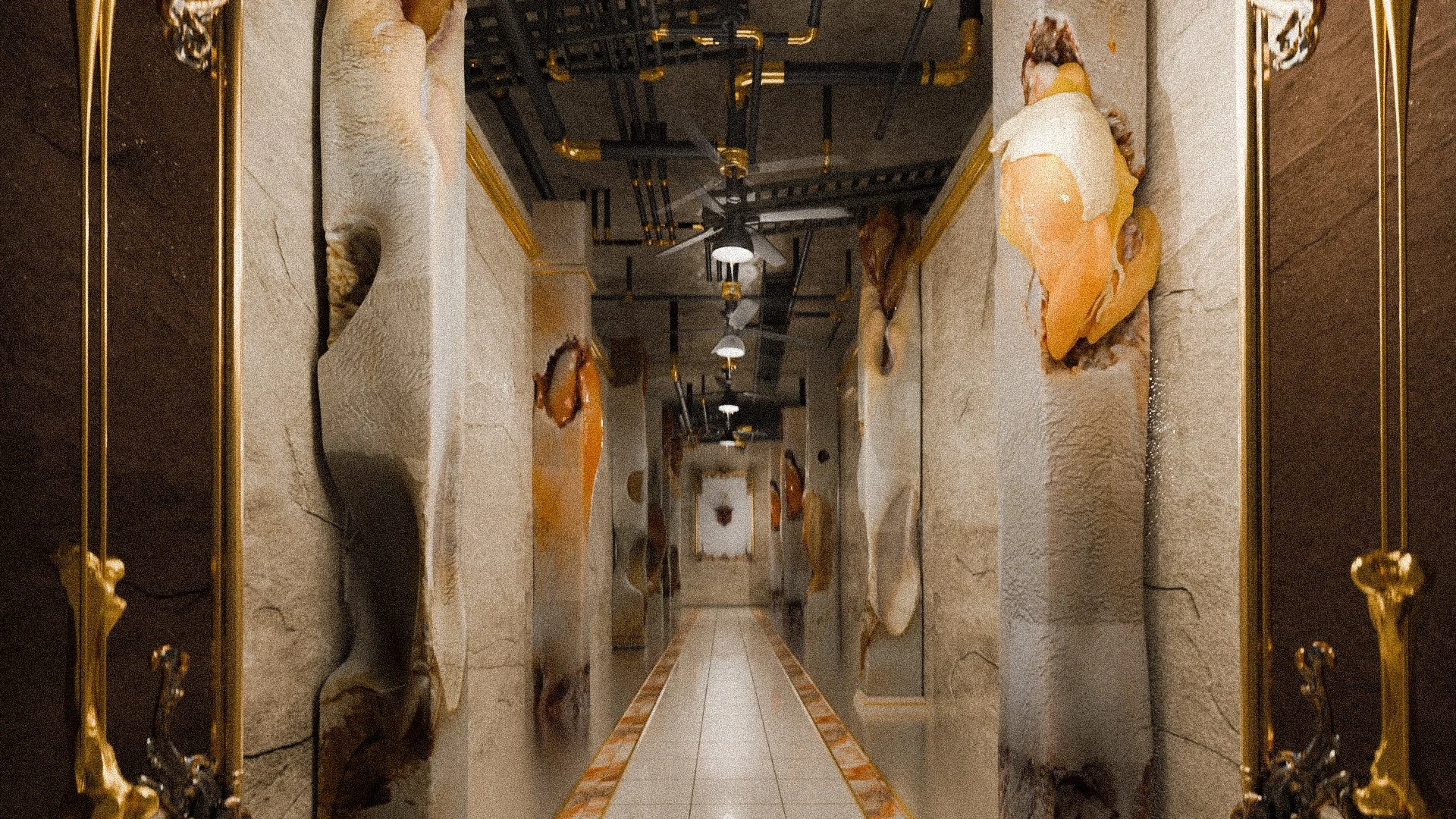
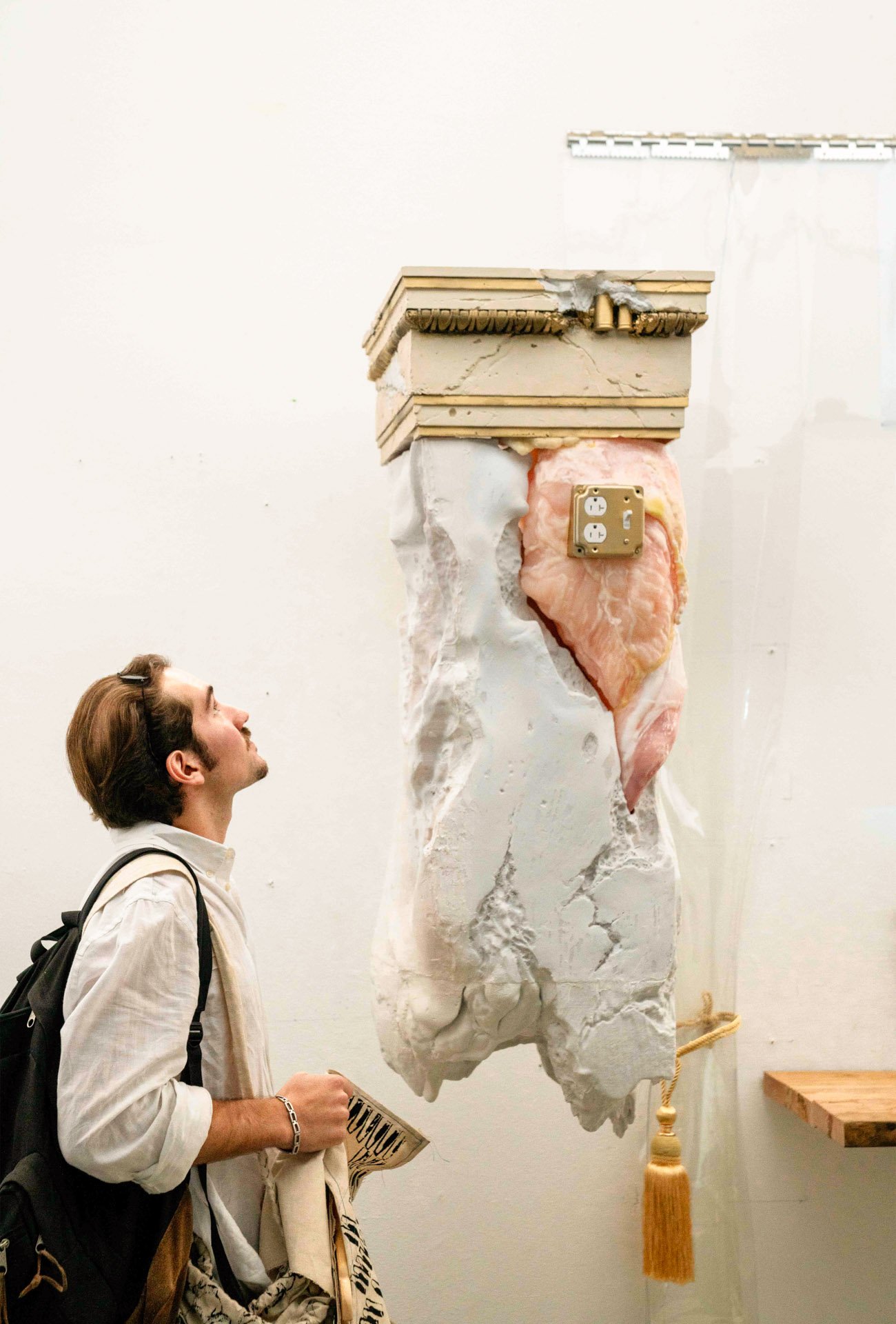
This thesis proposes a public intervention at the Grand Central Market, a site that embodies a history of such deliberate control that had mutilated the century-old thriving marketplace into a lifeless food hub in 2013. Through an architectural feast that unfolds as choreographed spaces connected into a single experiential procession through a wet, raw, and fleshy realm, it seeks to make the physical reality of life and death legible (and edible), once again. This off-putting yet alluring extreme alienation foregrounds kinship instead between the consumer and the consumed, repositioning the existing paradigm on how we encounter sustenance, survival, and other forms of life, within an architectural context.