Xintong Zhu
Noisy Nooks
My thesis begins with a critical observation of Los Angeles: the city's public life is squeezed to the edges, while vast interiors—the overlooked nooks of parking lots and fenced-off zones—lie silent and unused. My project aims to disrupt this urban inertia by asking a fundamental question: what if the back of the block could become the front? My work challenges the conventional hierarchy of building facades and proposes a method for reclaiming these neglected spaces and turning them into vibrant public realms.
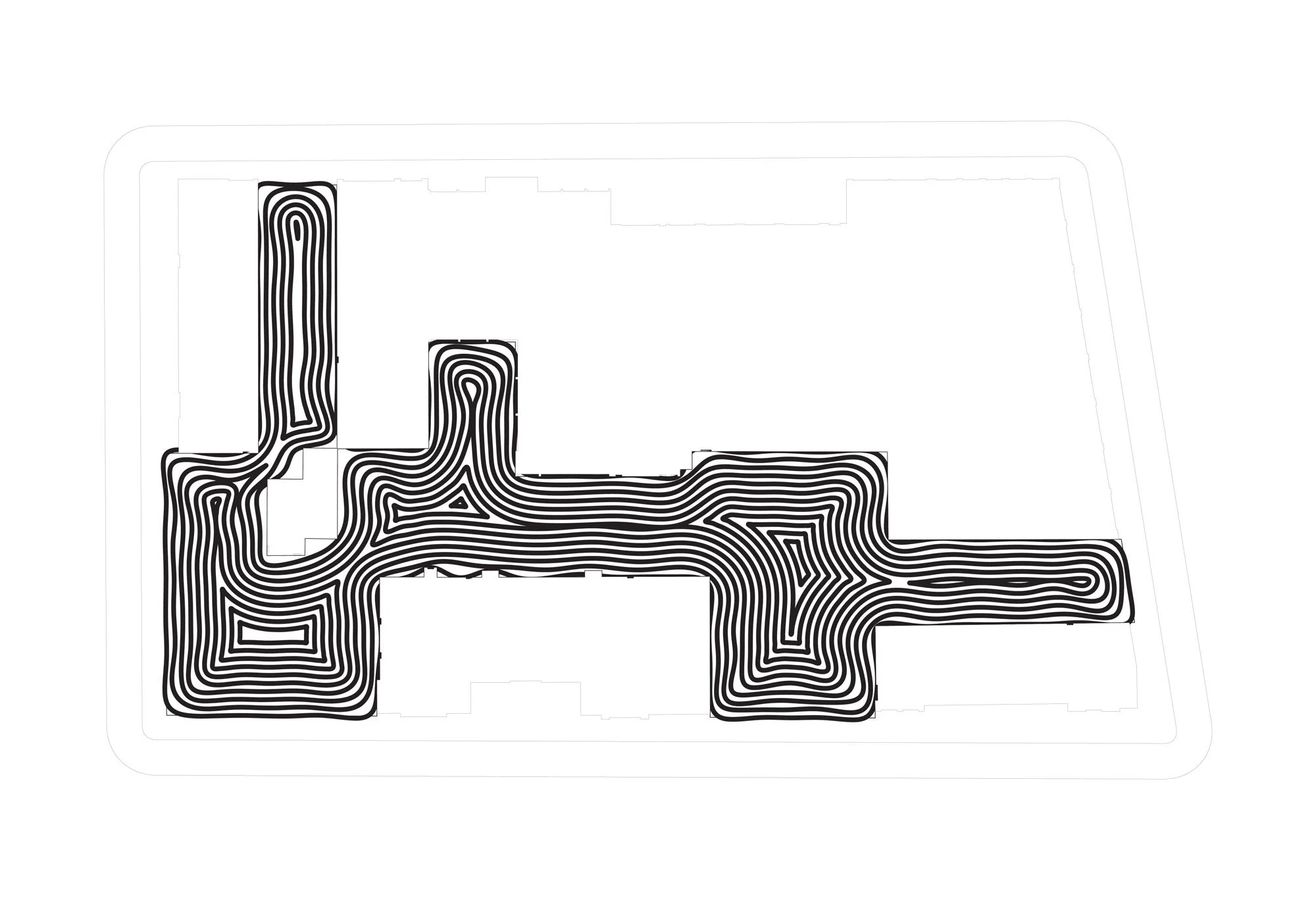
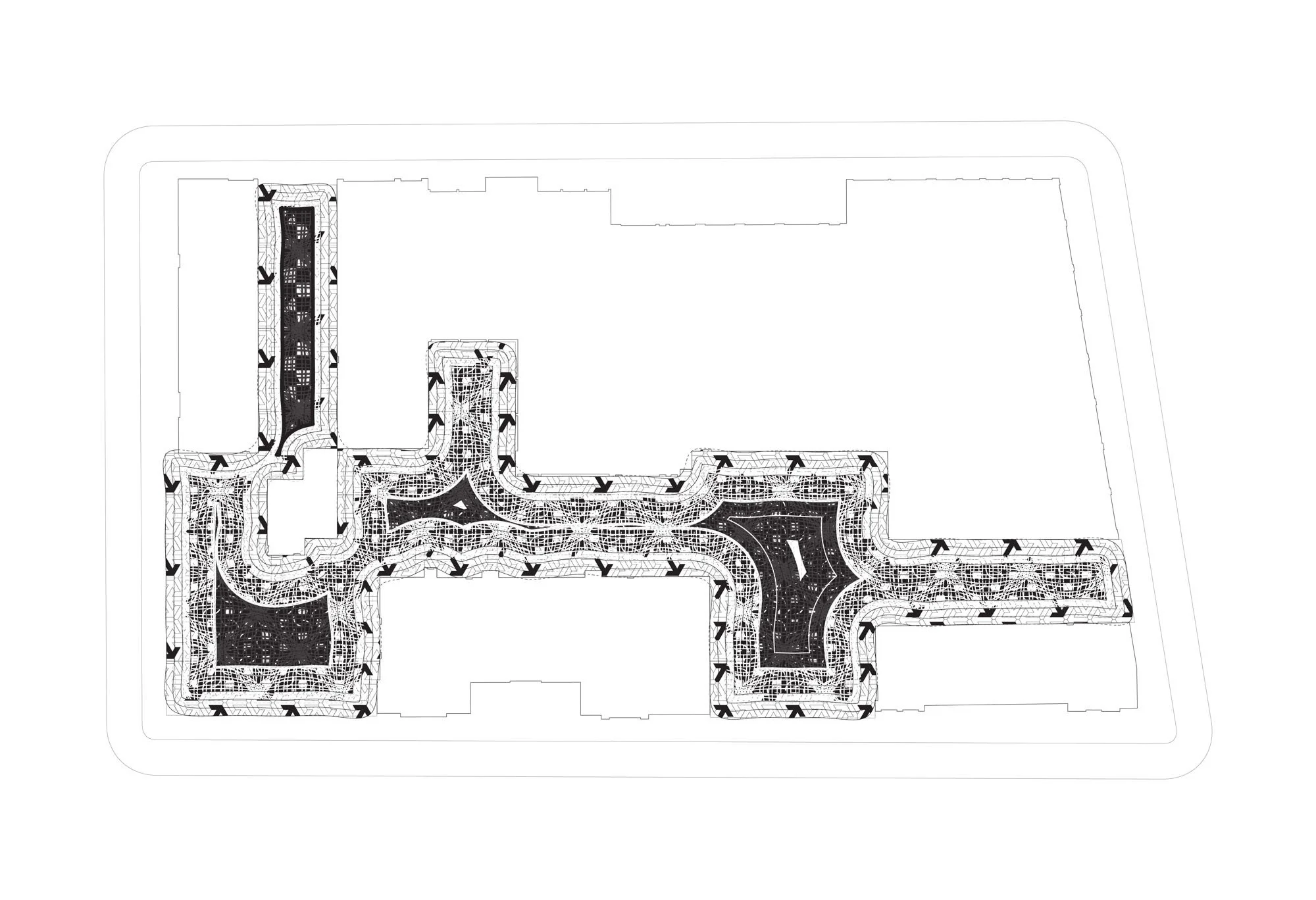
My design is inspired by precedents like the Kalmar Stortorget and Roberto Burle Marx’s Copacabana Beach. These projects showed me how bold ground treatments and patterns can transform undefined spaces into cohesive public realms. I used a unique "offset and pattern overlay" technique where the offset lines are designed to actively guide people inward. These lines converge at a central plaza, drawing pedestrians naturally from the perimeter into the heart of the site.
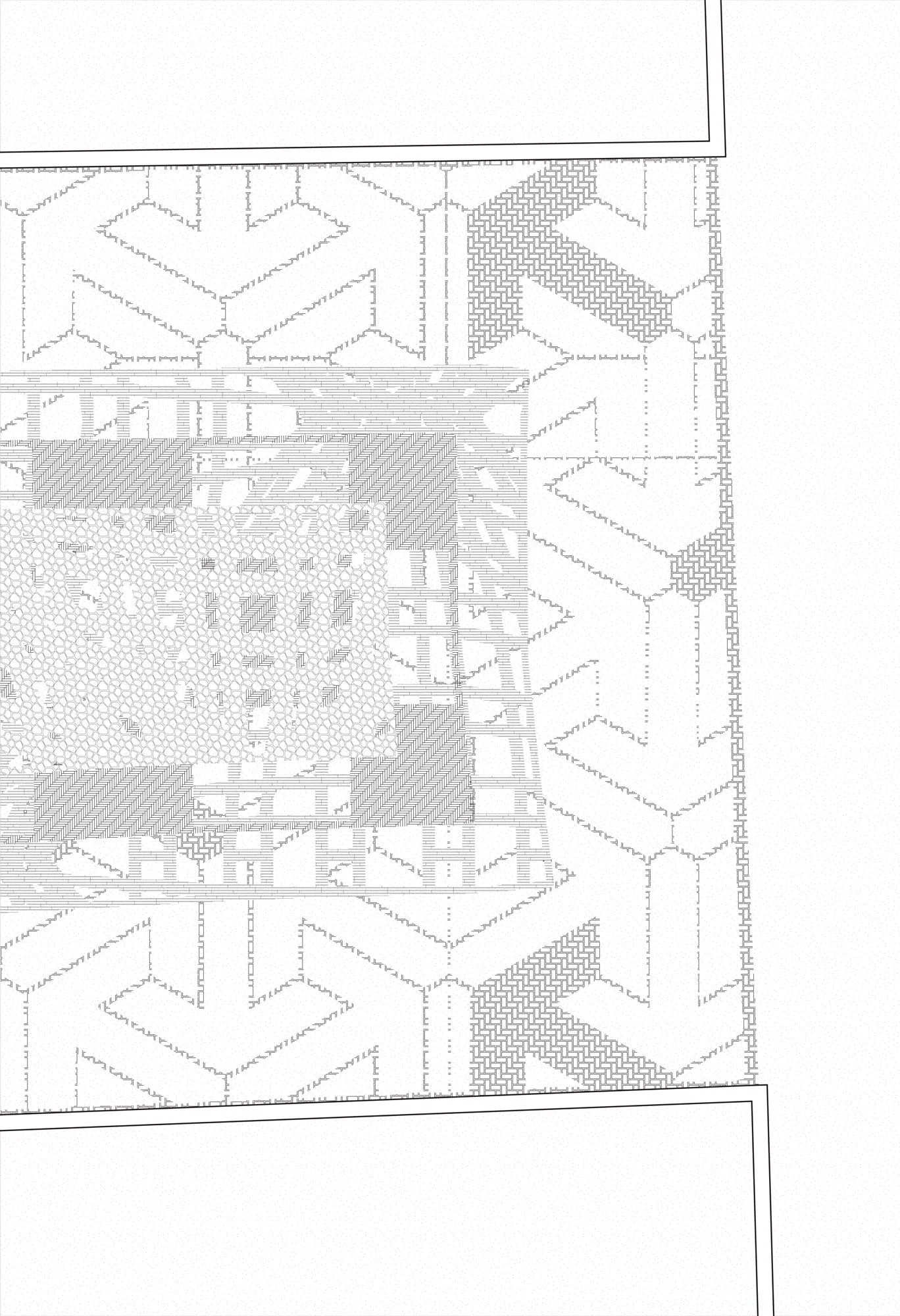
The central plaza is not a static space. Its arrangement is tailored to the specific context of each site. For my main site in the Arts District, Little Tokyo, the central plaza acts as a nexus connecting the surrounding church, community center, and restaurants. The patterns are translated into reality using various ground finishes, from vibrant paints to textured pavers, giving each area a distinct feel and function. The final space is not a quiet park but a dynamic public stage—a “noisy nook” filled with the sounds of community, art, and life. By giving these forgotten corners a voice and direction, my project offers a replicable model for a more vibrant, equitable, and engaging Los Angeles, proving that the city's most valuable public spaces may be hiding in plain sight.