William Tan
Decorated Difficulty: From Part to Whole
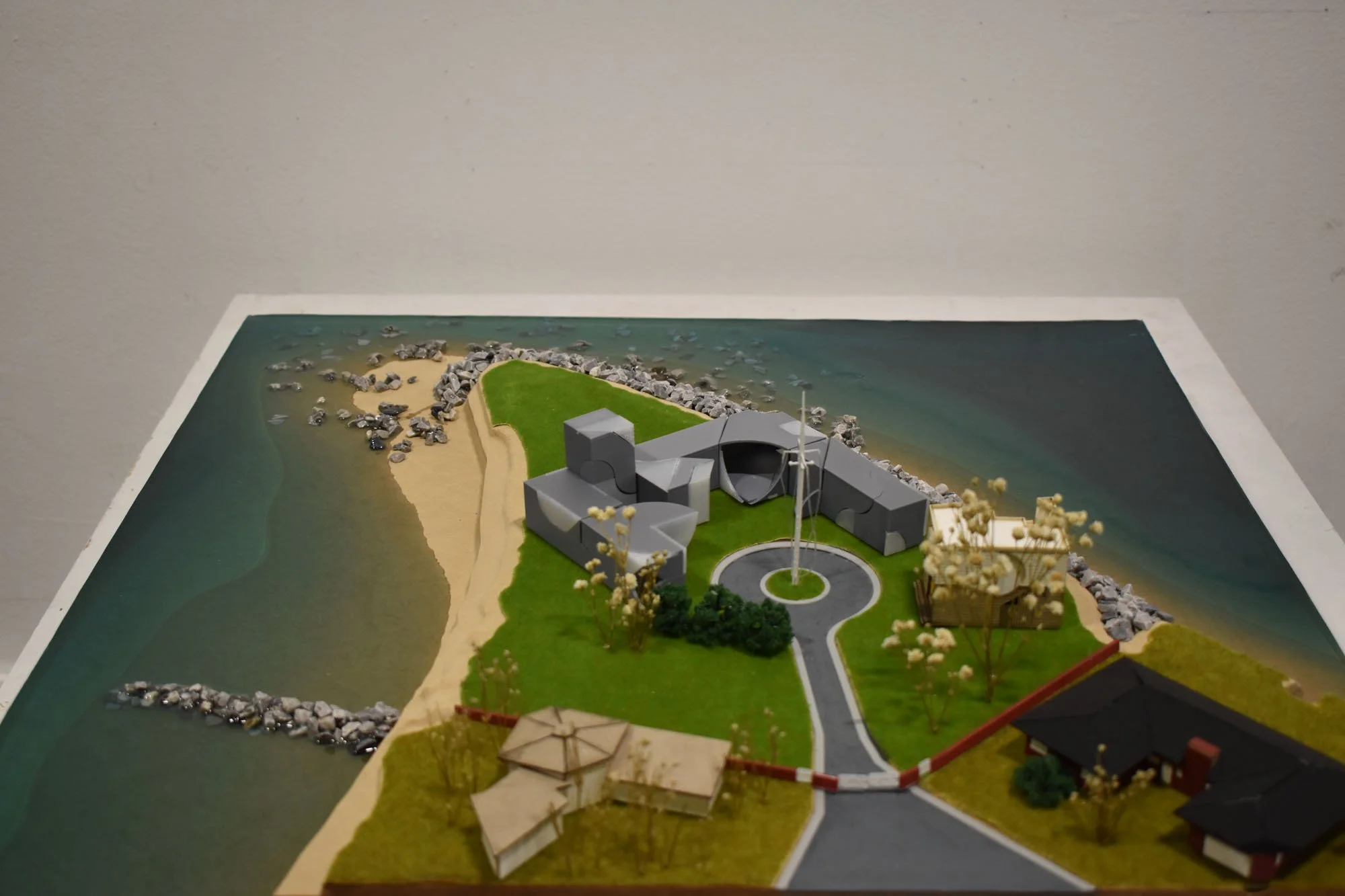
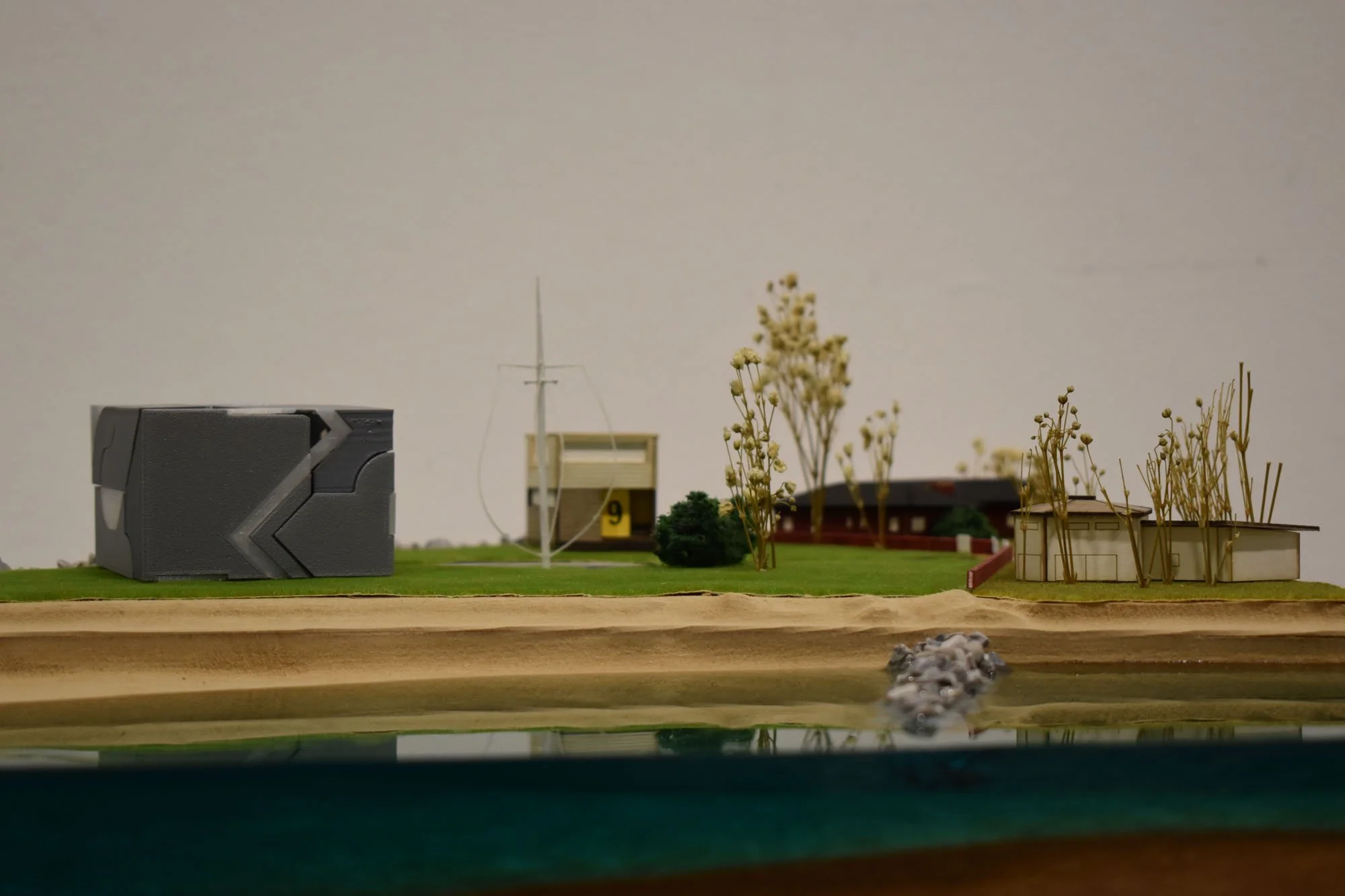
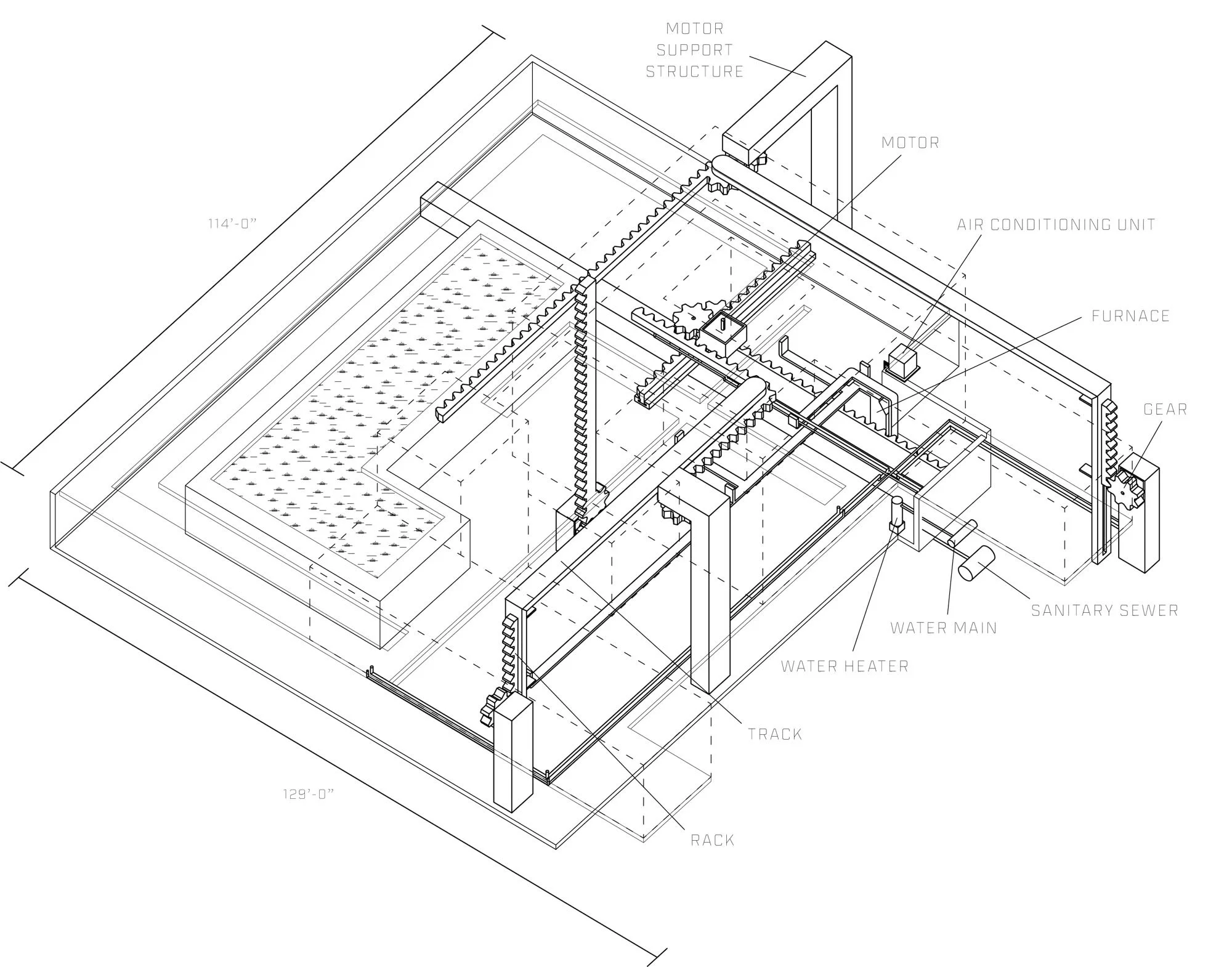
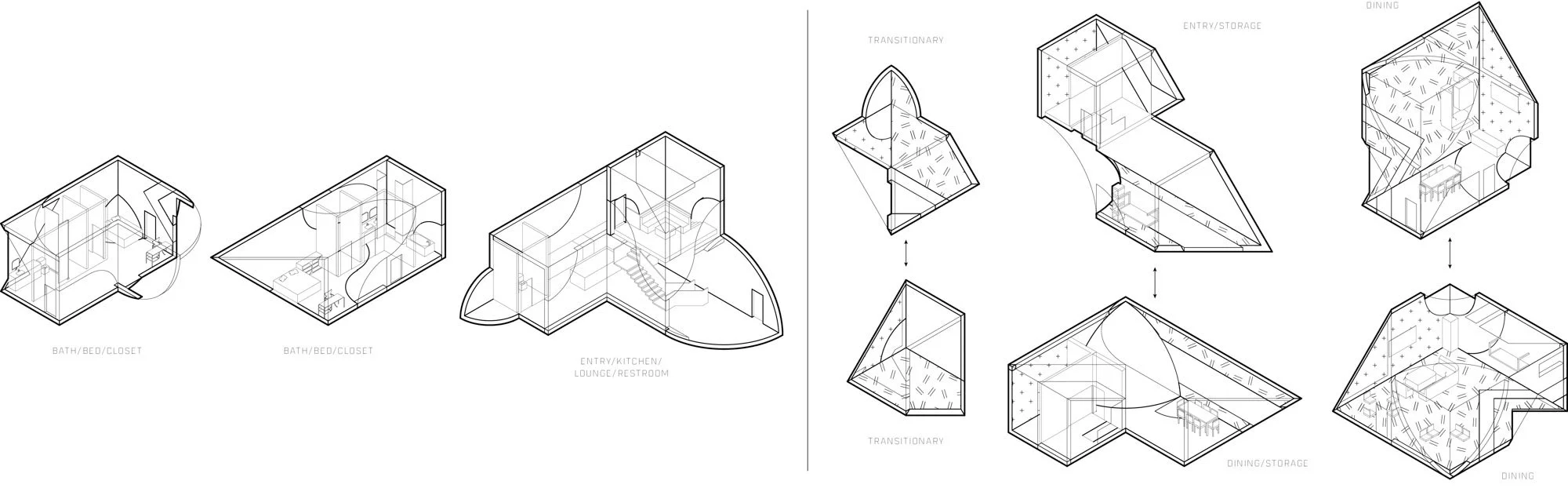
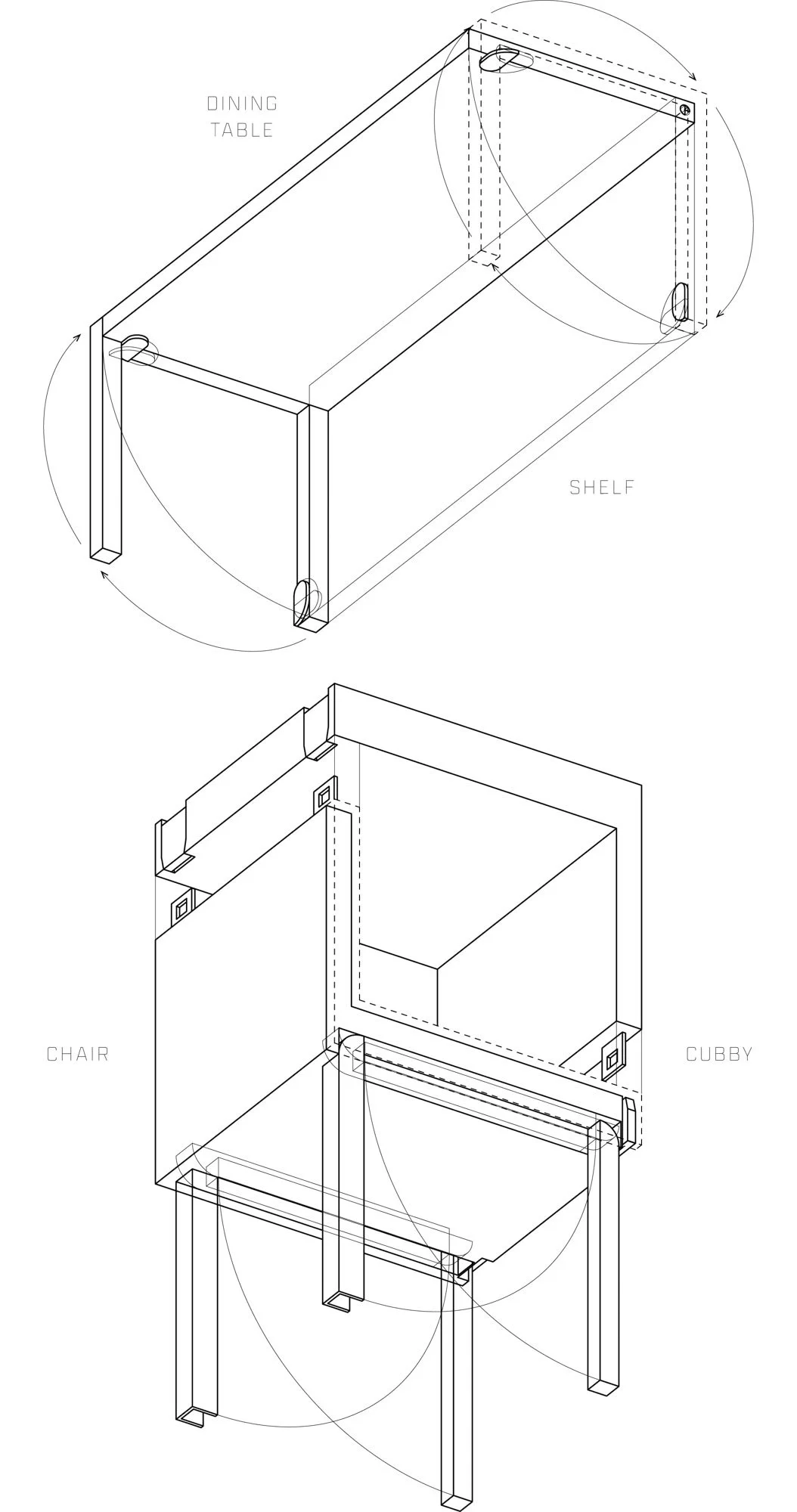
The static permanence of architecture has for the most part gone too long without being critically challenged. There are many examples of reactive facades and moving parts in today's architecture but barely if none of moving wholes. I am proposing radically dynamic, transforming architecture using some of the reorienting aspects of Greg Lynn's RV House or Bureau Spectacular's Phalanstery Module, the pivoting aspects of Alireza Tagabhoni's Sharifi-ha House or Angelo Invernizzi Villa Girasole or Robert Konieczny's Quadrant House, the shifting aspects of Diller Scofidio + Renfro’s The Shed or DRMM’s Sliding House, and the rearranging aspects of Kisho Kurakawa's Nakagin Capsule Tower or Cedric Price's Fun Palace. I am proposing an architecture that moves, rotates, and ultimately completely transforms in both form and experience utilizing mechanisms such as rails, motors, and gears. In both practicality and means, the capabilities to create such a project today is not too far from feasible.
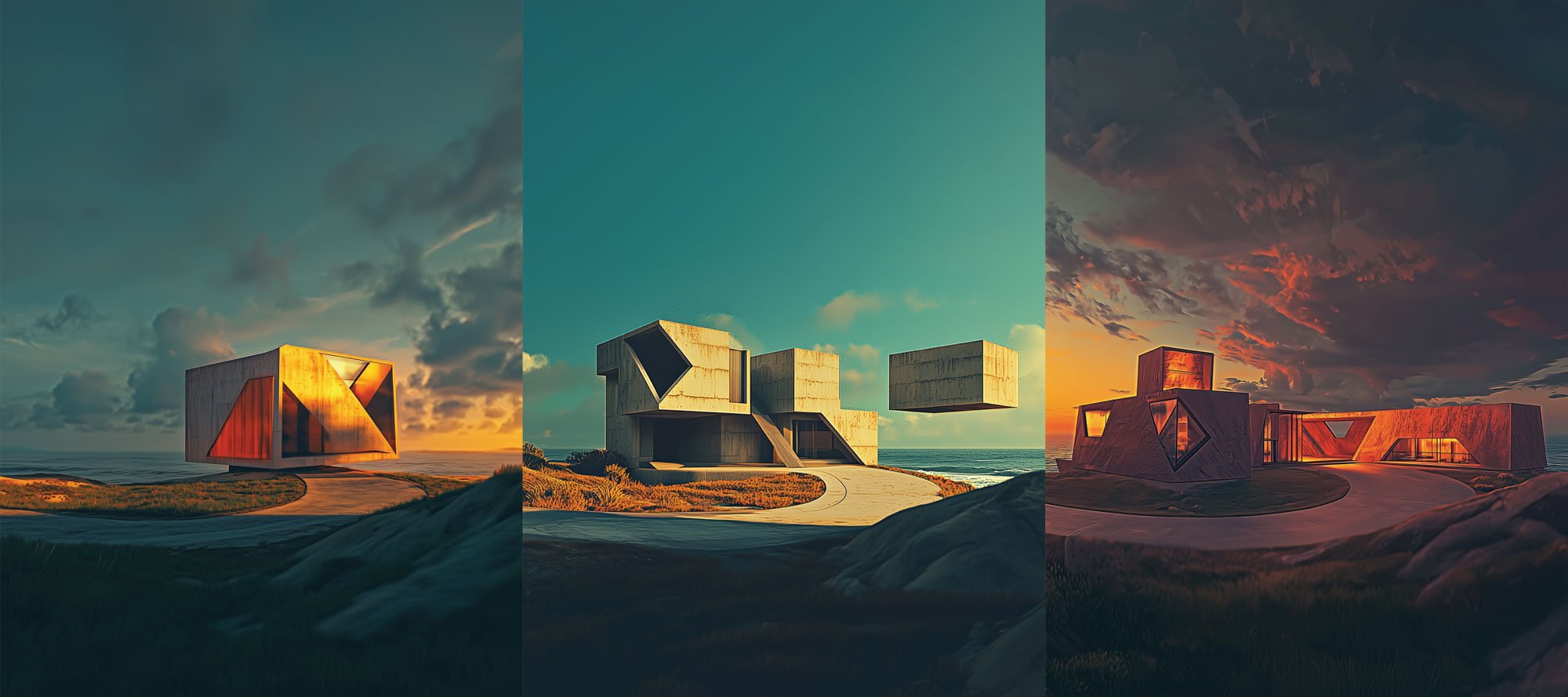
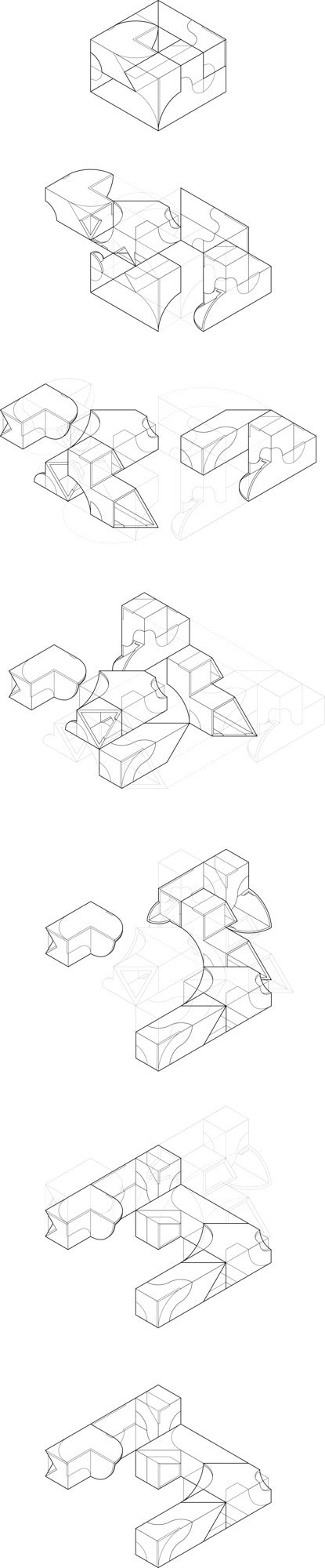
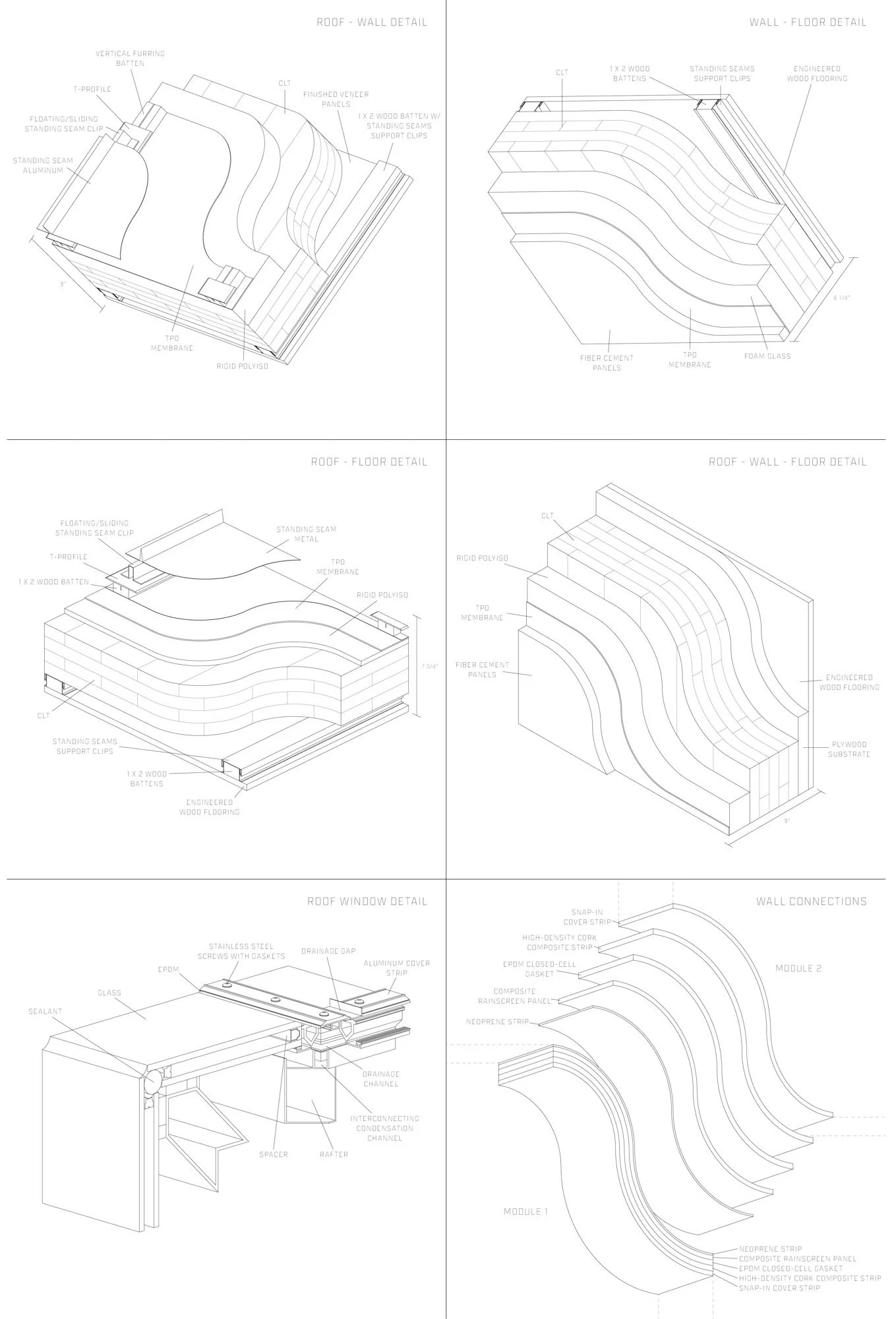
Alongside having parts that separate and reconnect, there is also an aspect that design plays a role in. With the structure of moving pieces, design comes in as a way to set creative boundaries to allow certain configurations to take place while preventing other configurations to be possible. It serves as a way to dictate the flexibility and freedom in rearrangement and reorientation. I find it helpful to look at designing the parts of such a project through the lens of Robert Venturi and his idea of the Difficult Whole. Venturi used the term Difficult Whole to represent his architecture as a collaboration and composition of diverse, sometimes contradictory parts that must hold together as a meaningful totality. I take that approach as a way to determine the connections possible as well as how those connections form seams that influence the facade of each elevation. I use those seams to create a language between glass and wall to ultimately create difficult wholes not only in the elevations of one configuration, but of multiple. I believe my thesis to not only be a lesson in what's possible in terms of the near future of architecture, but also in how architecture can be a decorated puzzle.