Shaheen Bharwani
Anima Lunaris
Technology has always constituted a fundamental force in architectural transformation. The advent of steel frame construction and reinforced concrete not only enabled new structural possibilities but profoundly reconfigured architectural design language, becoming instrumental to modernist architectural expression alongside its broader philosophical and social imperatives. Similarly, the emergence of digital technologies and parametric design software in the late 1990s and 2000s catalyzed a computational revolution in architecture, enabling formal explorations that would have been inconceivable through traditional construction methods. In both historical moments, architects conceptualized technology as instrumentality - a new method or a new material that could open new possibilities and allow us to bring our imaginations to life in ever increasing resolution.
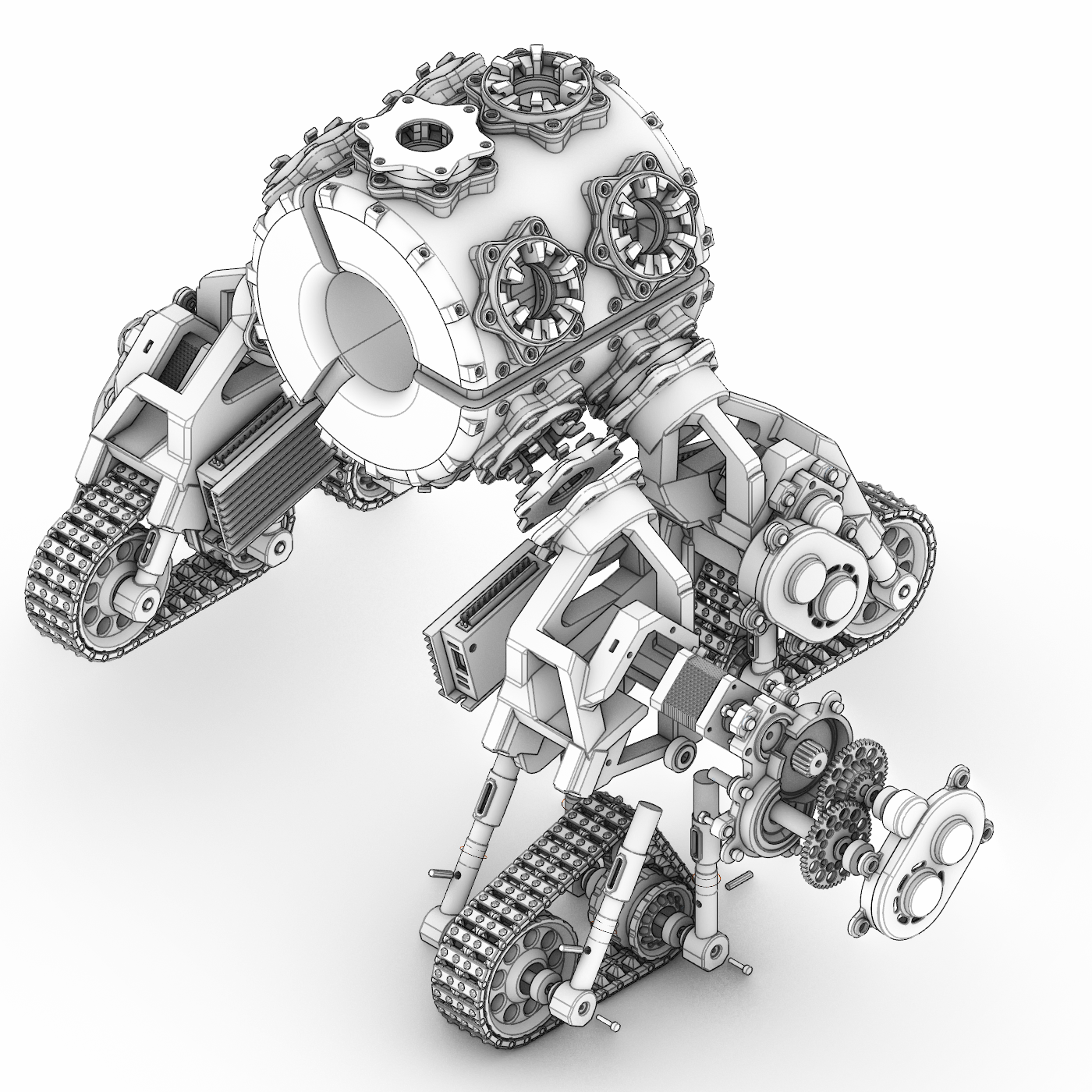
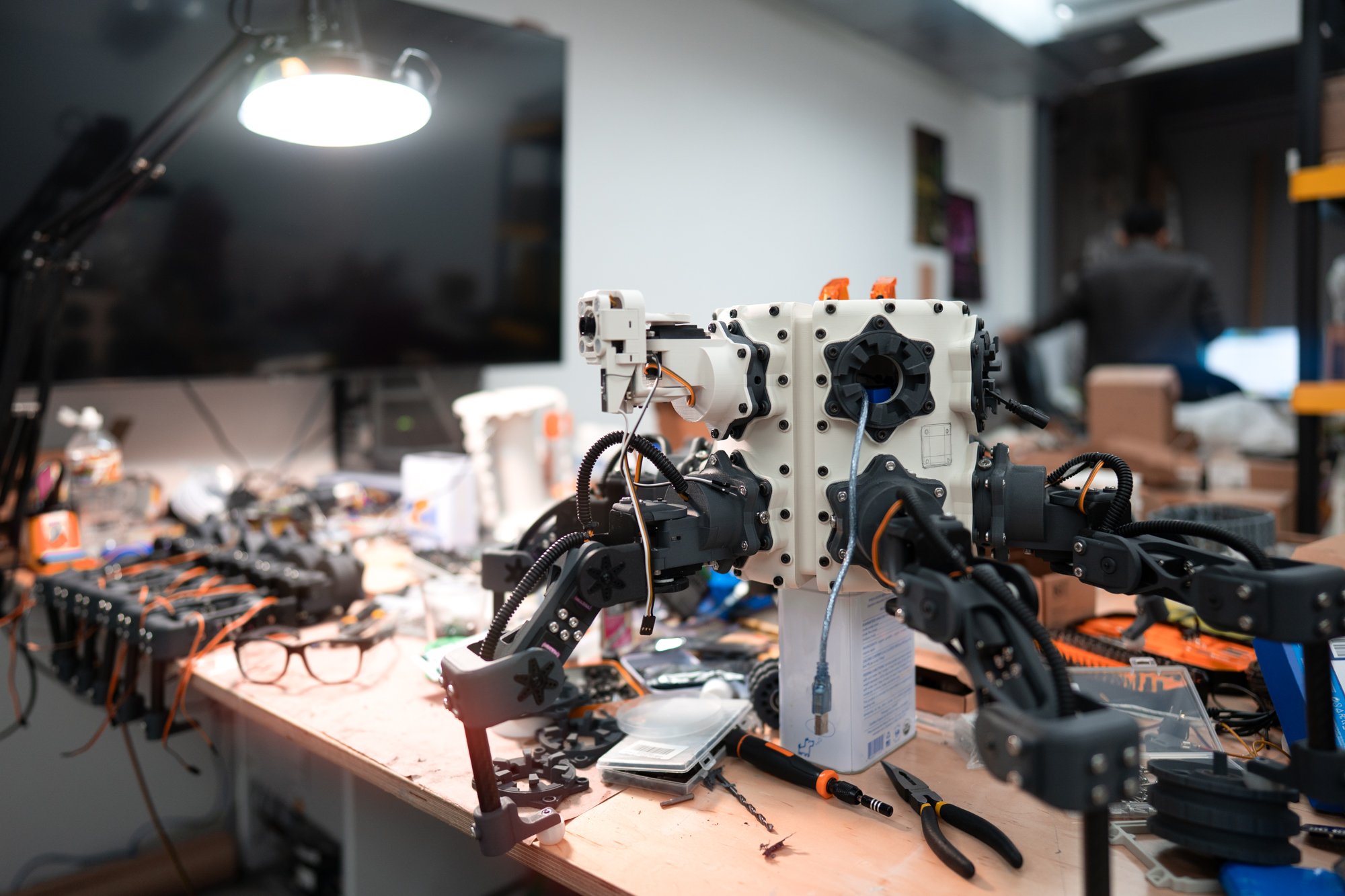
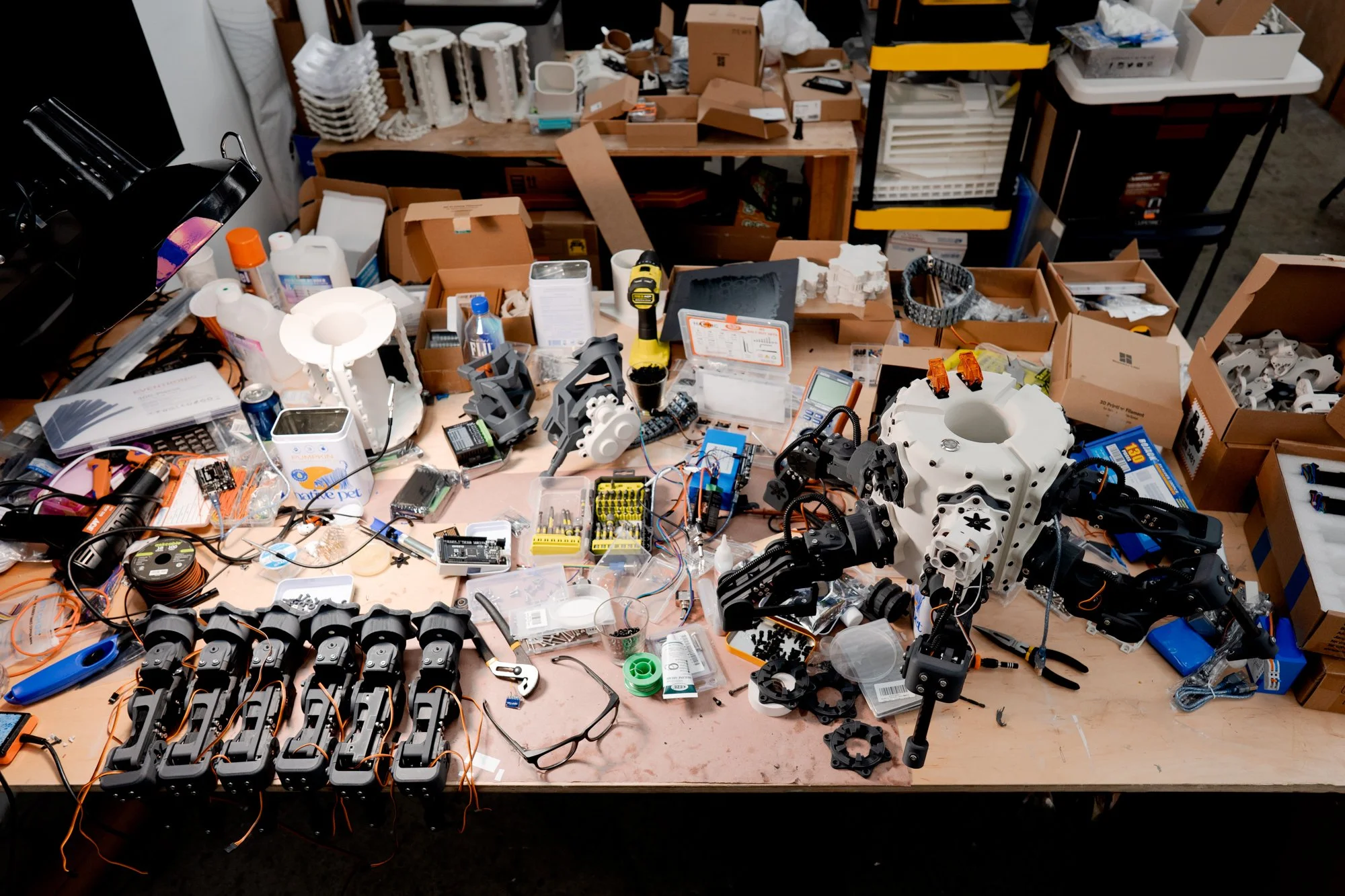
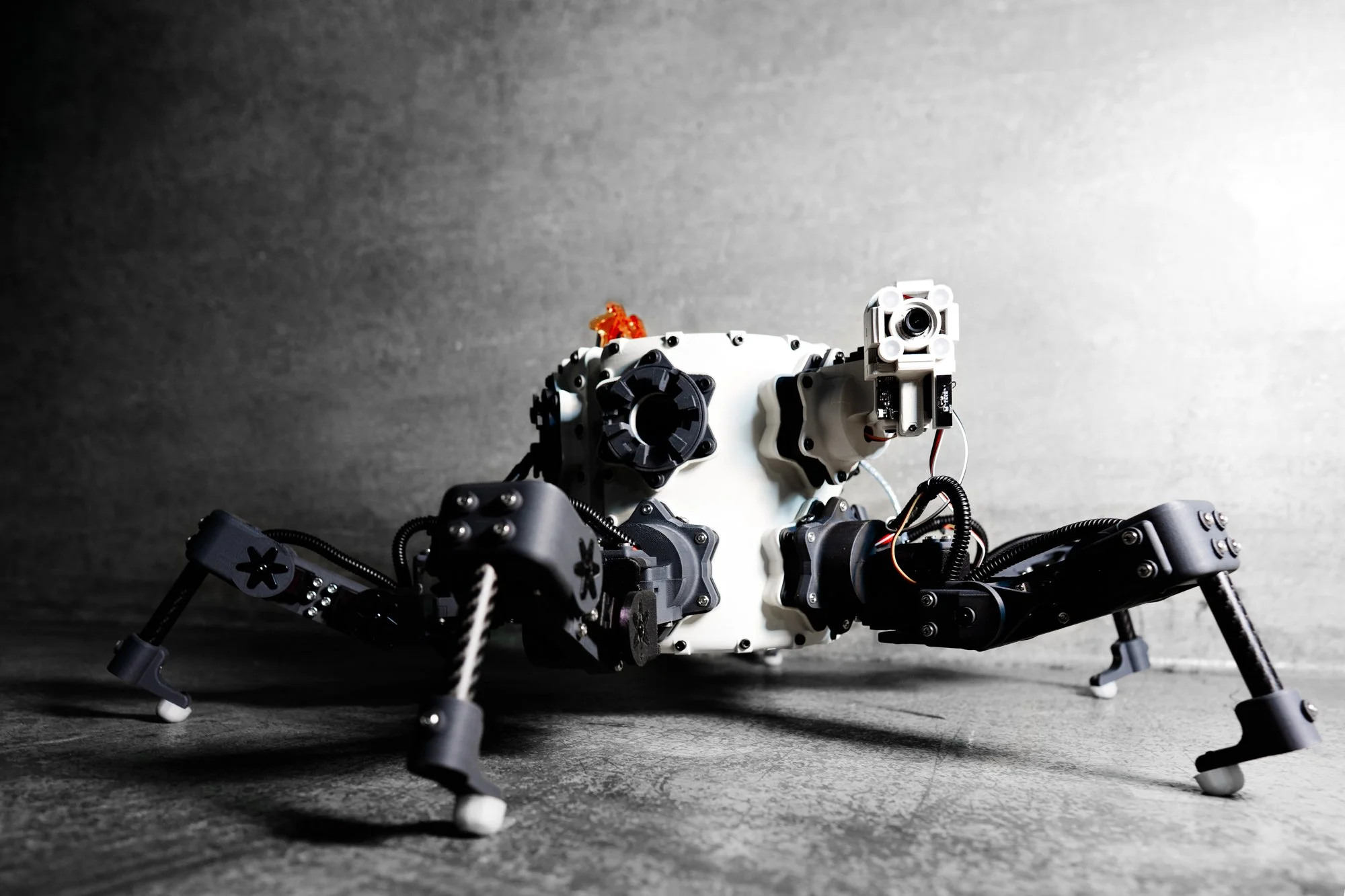
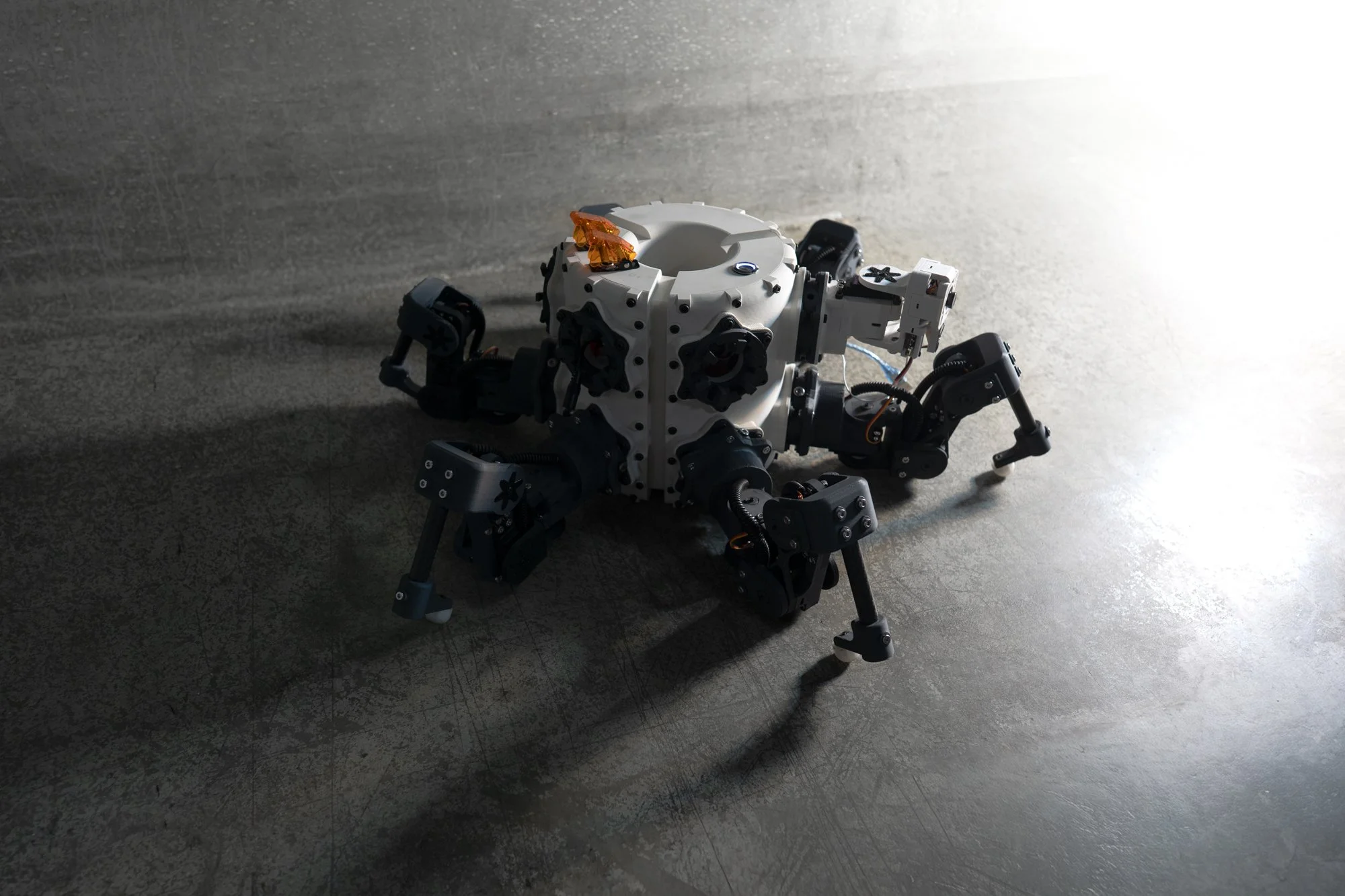
Embodied intelligence represents a paradigm shift in which technology no longer constitutes an inert medium or a procedural tool, but rather an autonomous agent possessing its own forms of cognition and agency. Lunar autonomous operations provide an ideal microcosm for examining this emergent paradigm. While autonomous robots function as tools in certain respects, they fundamentally differ from conventional architectural materials like concrete or computational software like CAD systems. These entities possess agency over their locomotion, perceive the world in their own way, and develop distinctive modes of spatial navigation—potentially even engaging in design and construction processes both for themselves and for humans. This project challenges architects to confront this new era of autonomous technology - not a substance to be shaped or a tool to be used, but a being with an unknown but undeniable sense of self.