Ruozheng Wu
A Shell to Breathe In
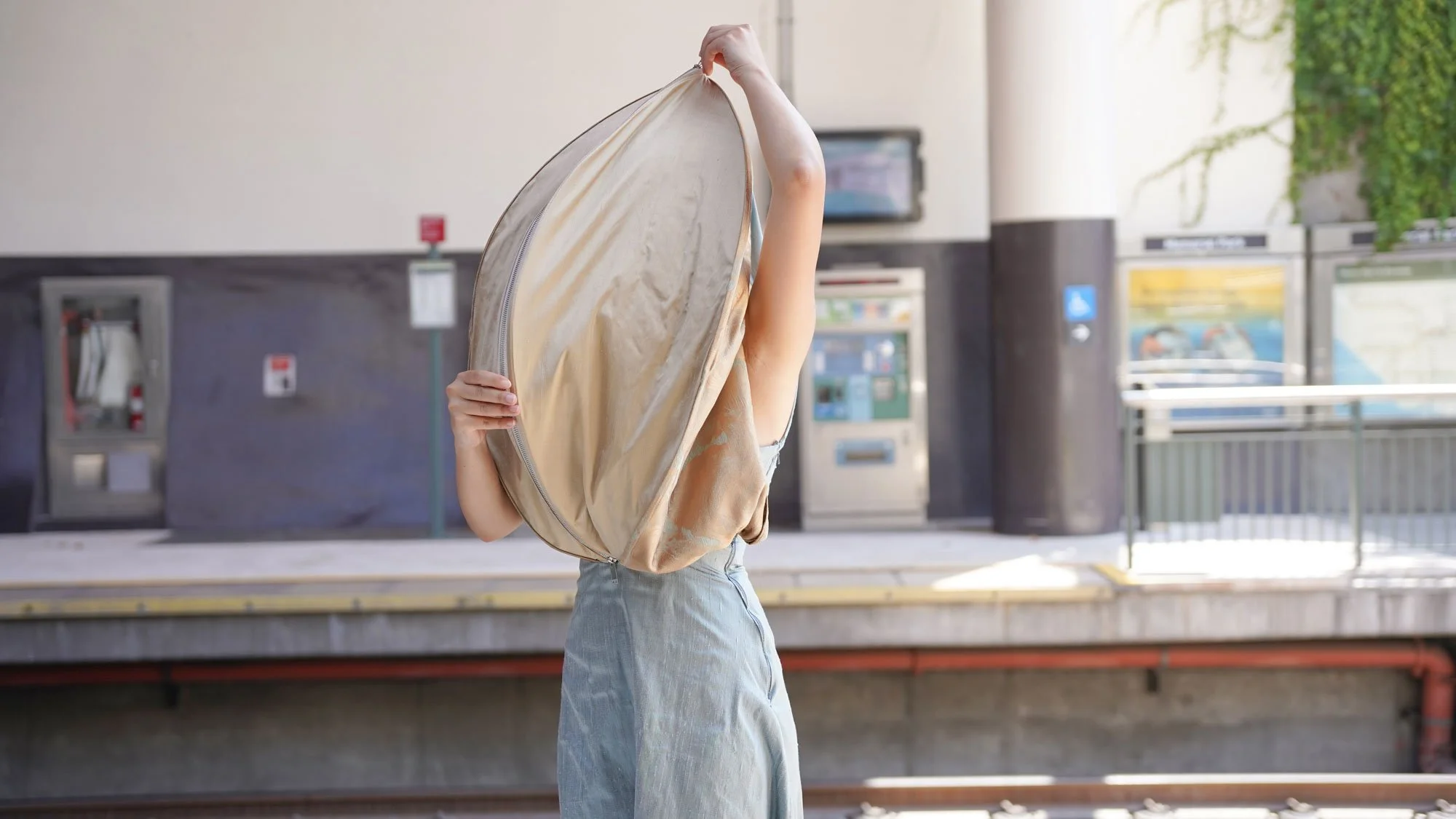
This thesis explores how fabric-based garments can become emotional architecture - soft structures that offer privacy, resistance, and the possibility of disappearing from the city's gaze.
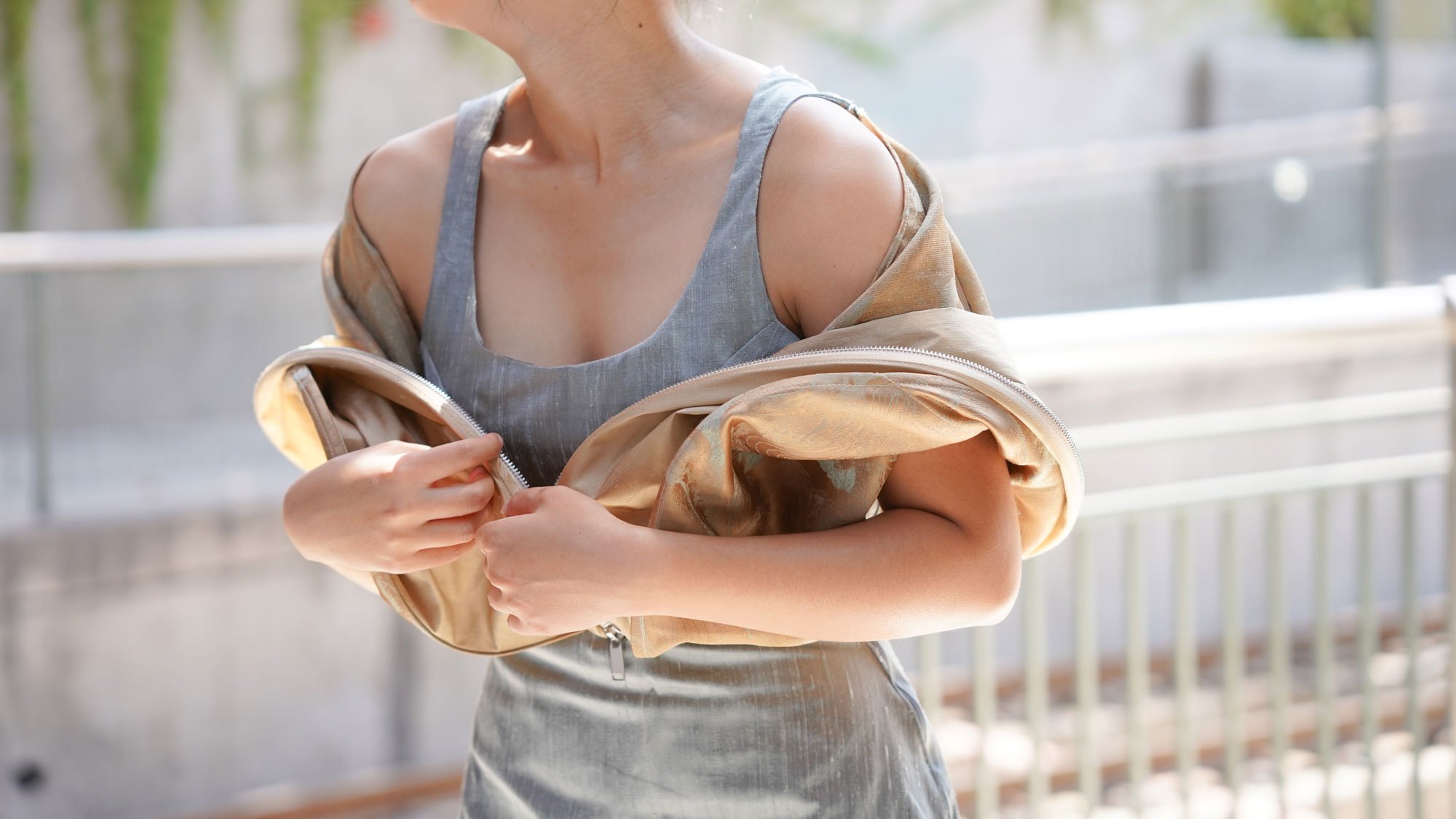
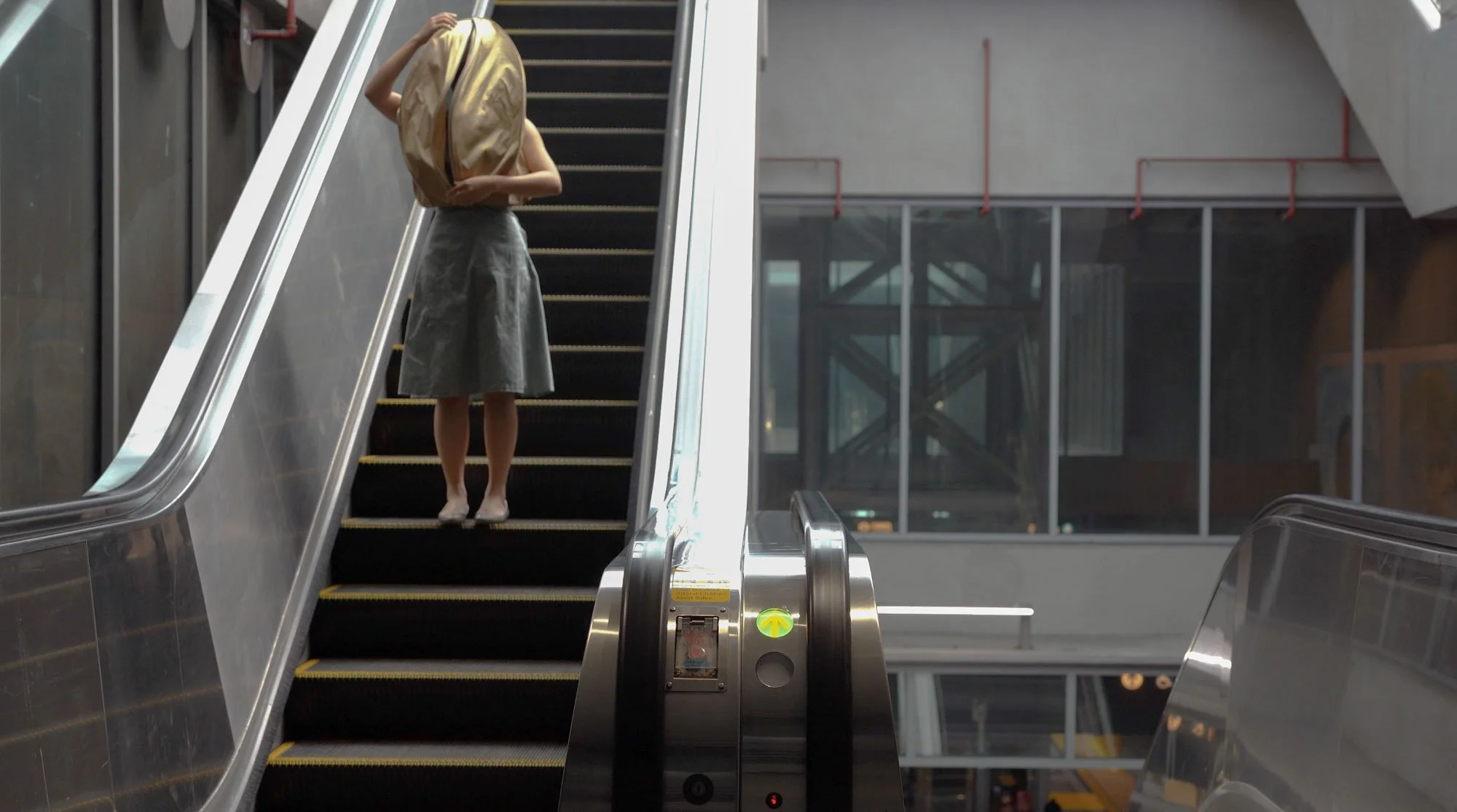
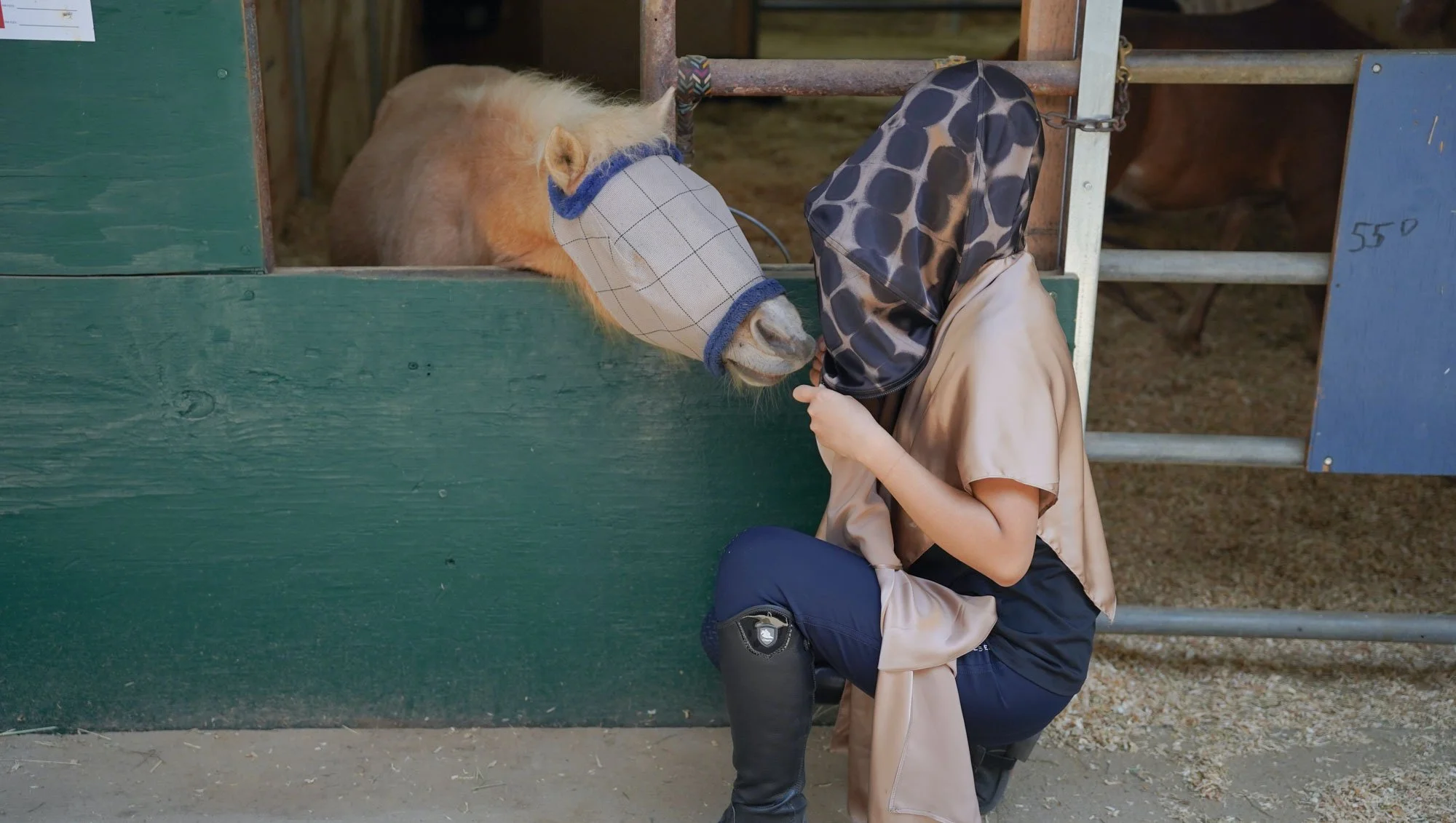
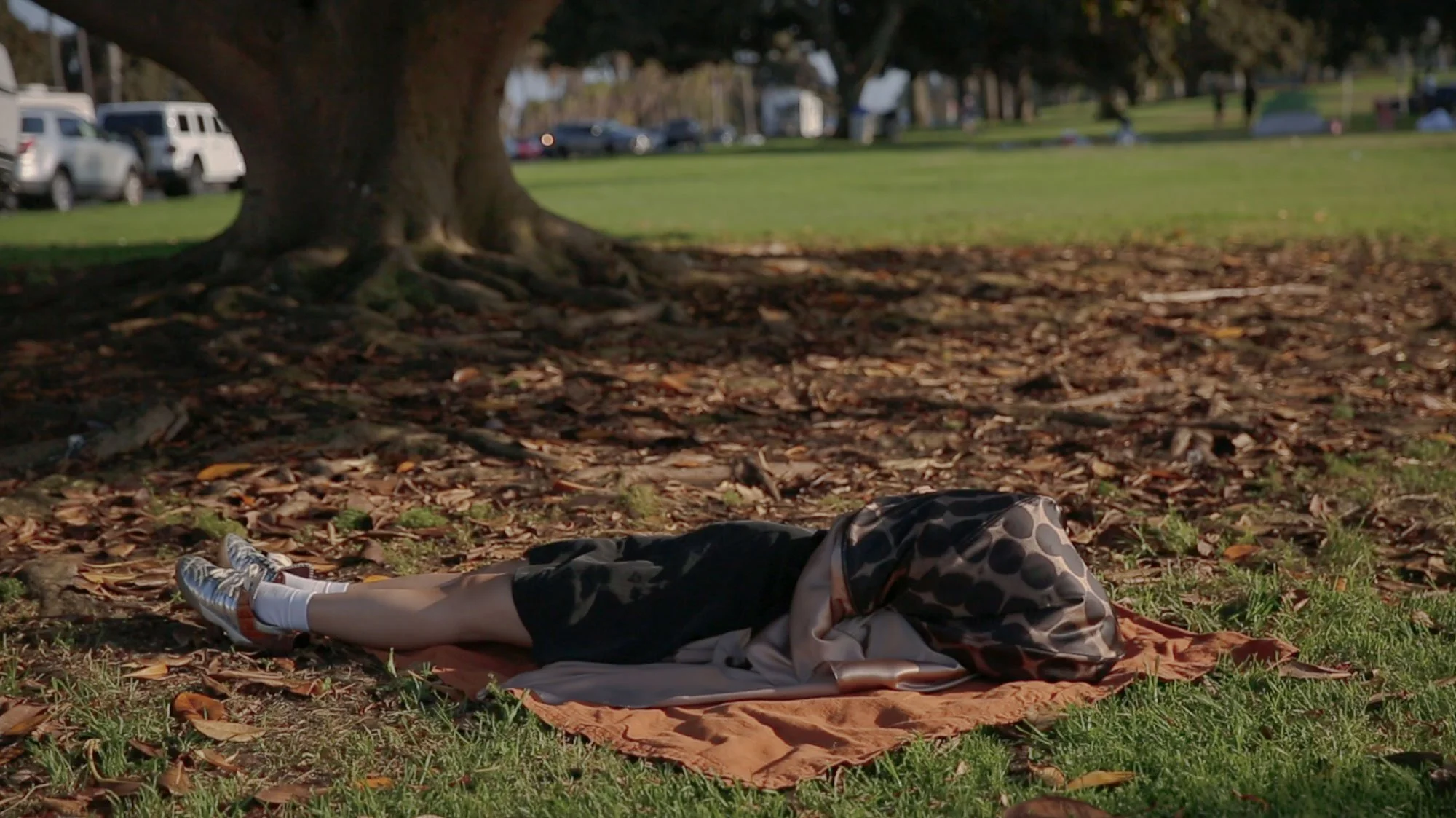
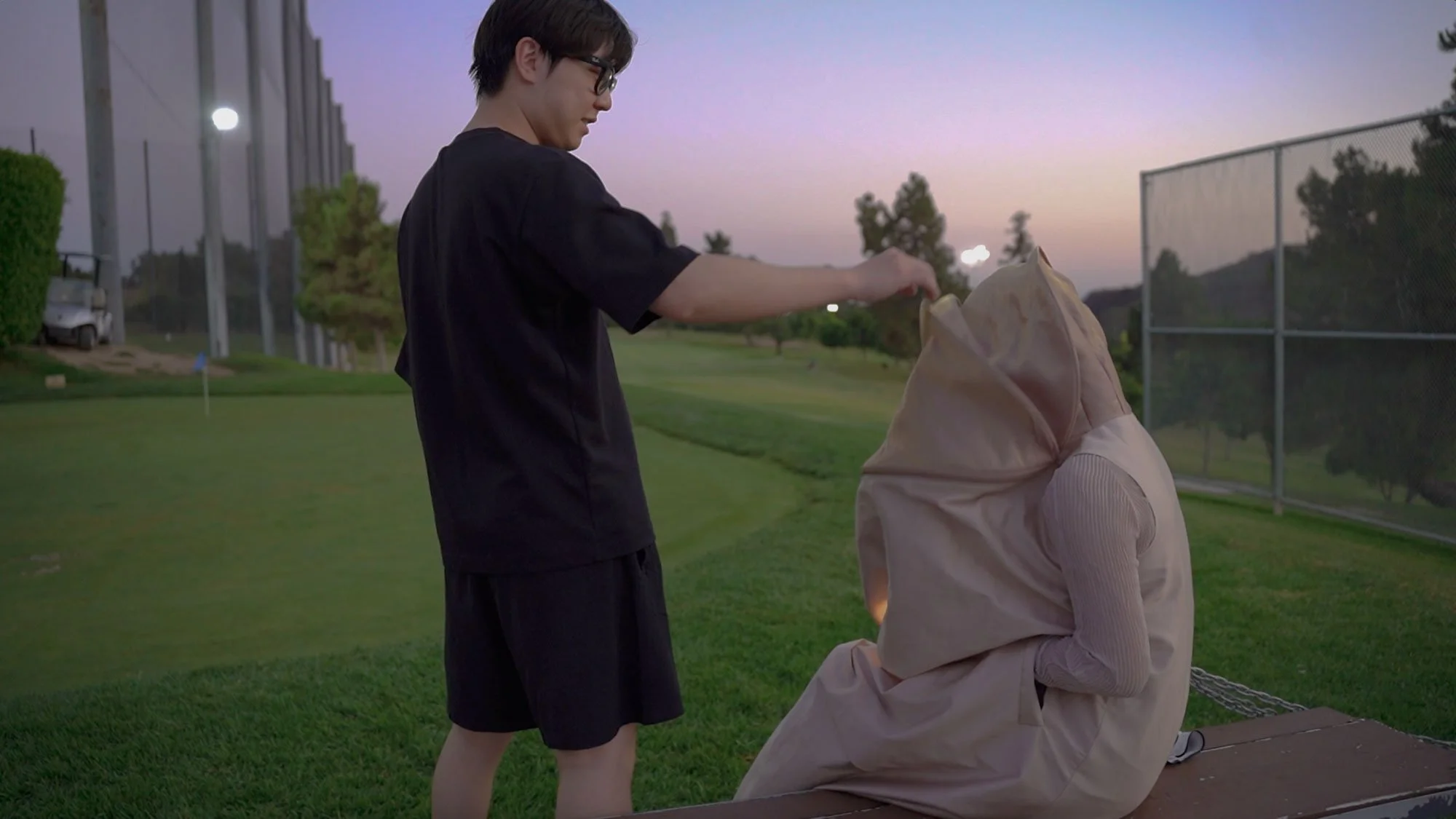
In cities shaped by exposure, speed, and control, architecture is often defined by permanence, surveillance, and visibility. This thesis proposes an alternative: spatial structures made from clothing. A soft, wearable form that blurs the line between body and building. By turning garments into temporary, emotional shelters, the project asks whether softness, mobility, and intimacy can be valid architectural strategies. It explores how textiles can create boundaries not by building walls, but by wrapping, folding and concealing. Also offering moments of solitude in a hyper-connected world.
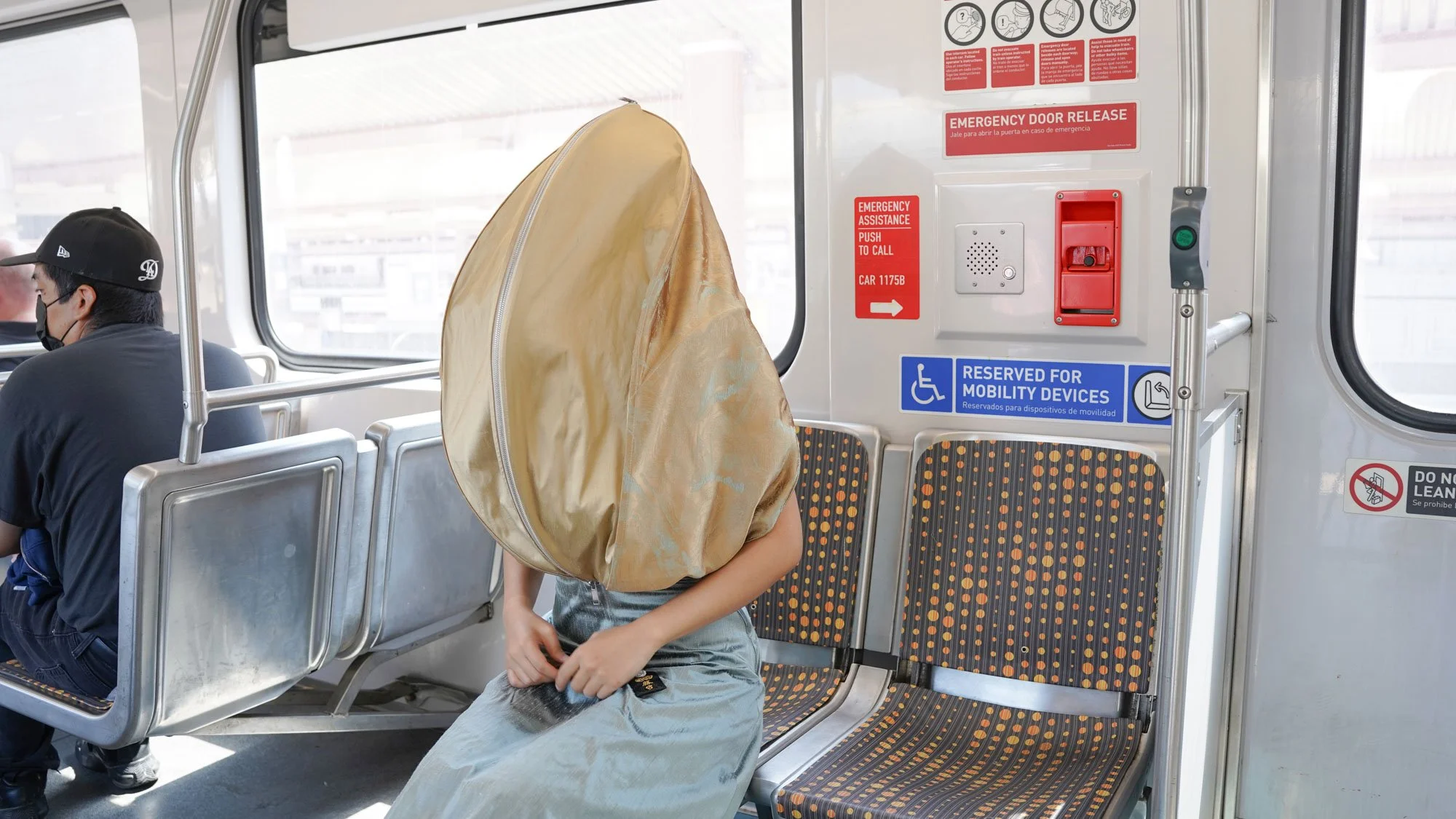
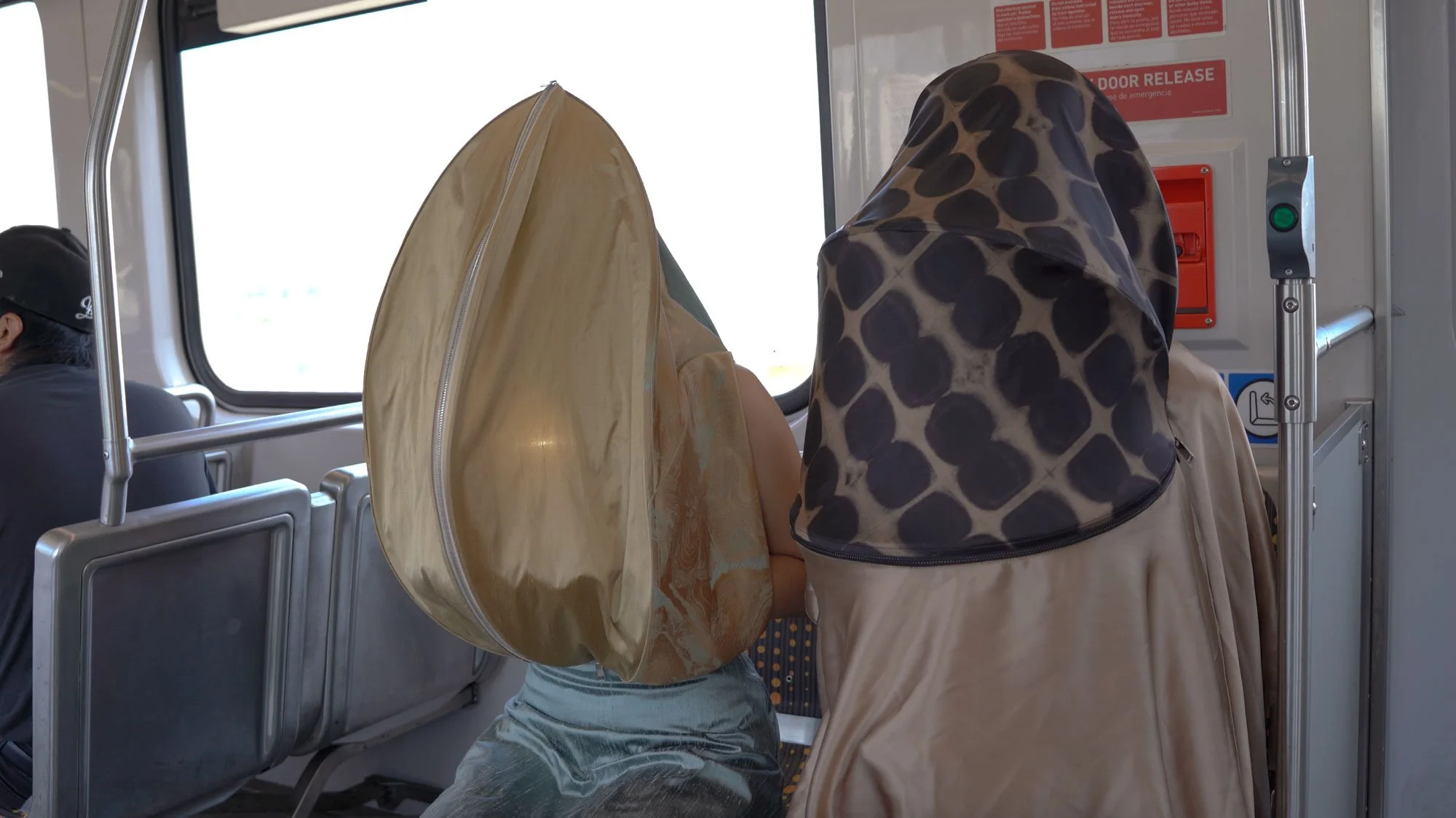
In contemporary urban life, the physical proximity between strangers often erodes the boundary of personal space. We are surrounded by people yet rarely given the chance to withdraw. Sometimes emotionally or spatially. This constant exposure creates a need for architectures of retreat, not as buildings to live in, but as spaces to opt out of being seen.
However, most architecture is designed for collective use. Even so-called private spaces like apartments are often modular and standardized, prioritizing efficiency over individuality. This thesis does not seek to personalize space for each body, but rather to propose spatial conditions for specific states. Such as the desire to disappear, to not be engaged, to soften one's presence.
Fabric becomes the key agent in this exploration. As a material, it resists the language of rigidity. A hood is a room; a drape is a wall. Unlike concrete, fabric divides space not through force, but through gestures folding, swaying, enclosing.
What we wear can become where we are. Through garments that transform into emotional architecture, this project redefines how softness can hold space for solitude.