Modhi Tifouni
Subterranean Sandscape
This thesis investigates the profound and often overlooked relationship between soil and architecture. From the beginning of civilization, soil has shaped how people live, providing food, water, and the raw materials necessary for construction. Iconic structures such as the Pyramids of Giza and the Pantheon in Rome demonstrate how the qualities of the earth beneath them made their creation and their endurance possible. What lies underground directly informs what we build above.
Yet soil is more than a structural foundation. It is a medium that carries identity, memory, and place. In much of contemporary practice, this connection is disregarded. Buildings are often assembled from imported materials, set onto land rather than into it, resulting in forms that appear detached from their environment.
I view nature and architecture as two distinct but interwoven languages. Nature operates through chance and time—mountains eroded by wind, water, and gravity. Architecture, in contrast, imposes order, cutting and reshaping the earth into deliberate geometries. Over time, however, these two forces converge. As structures age, they are weathered and reclaimed by natural processes, turning into ruins and rejoining the landscape. The human footprint, though, can endure for centuries.
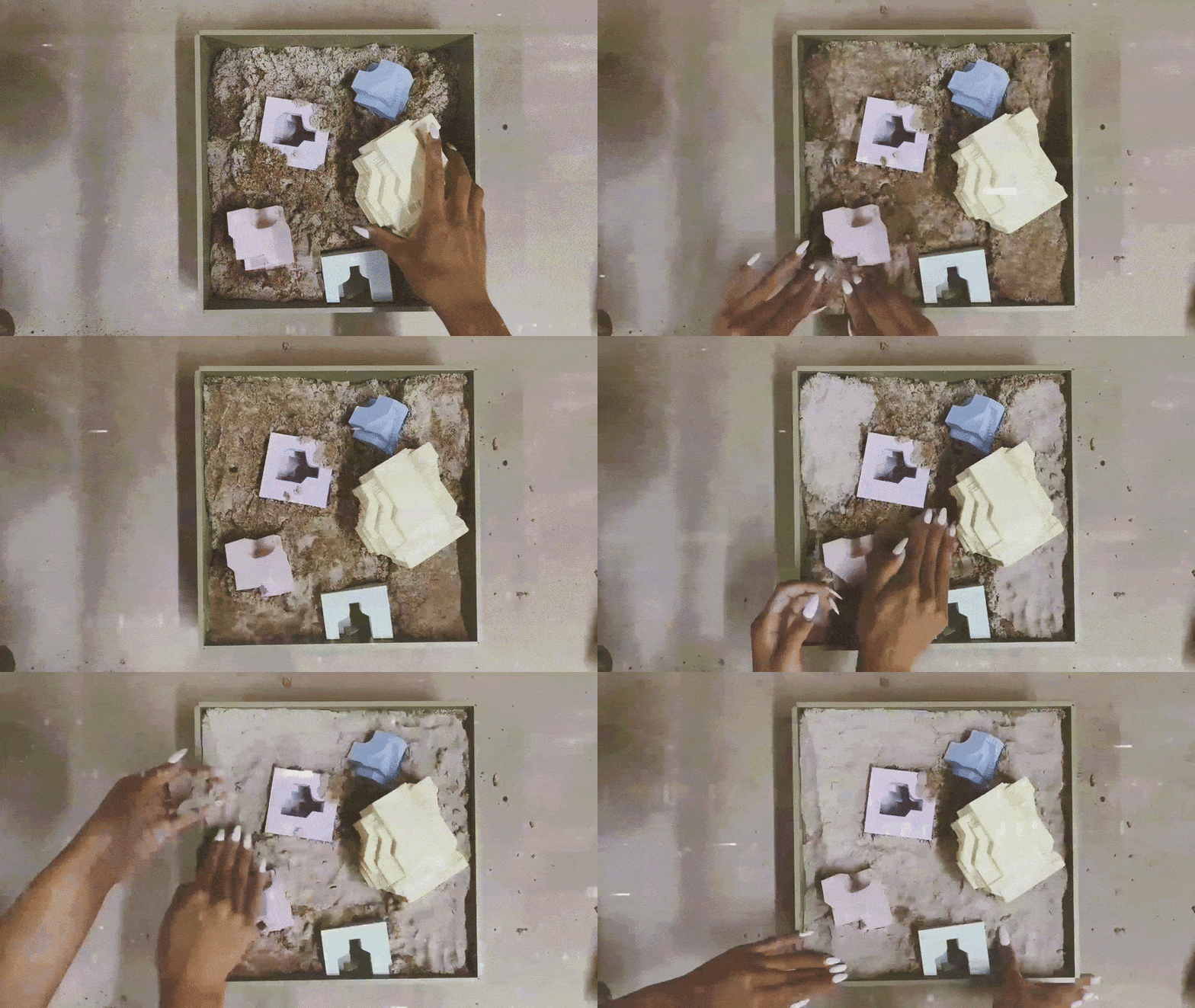
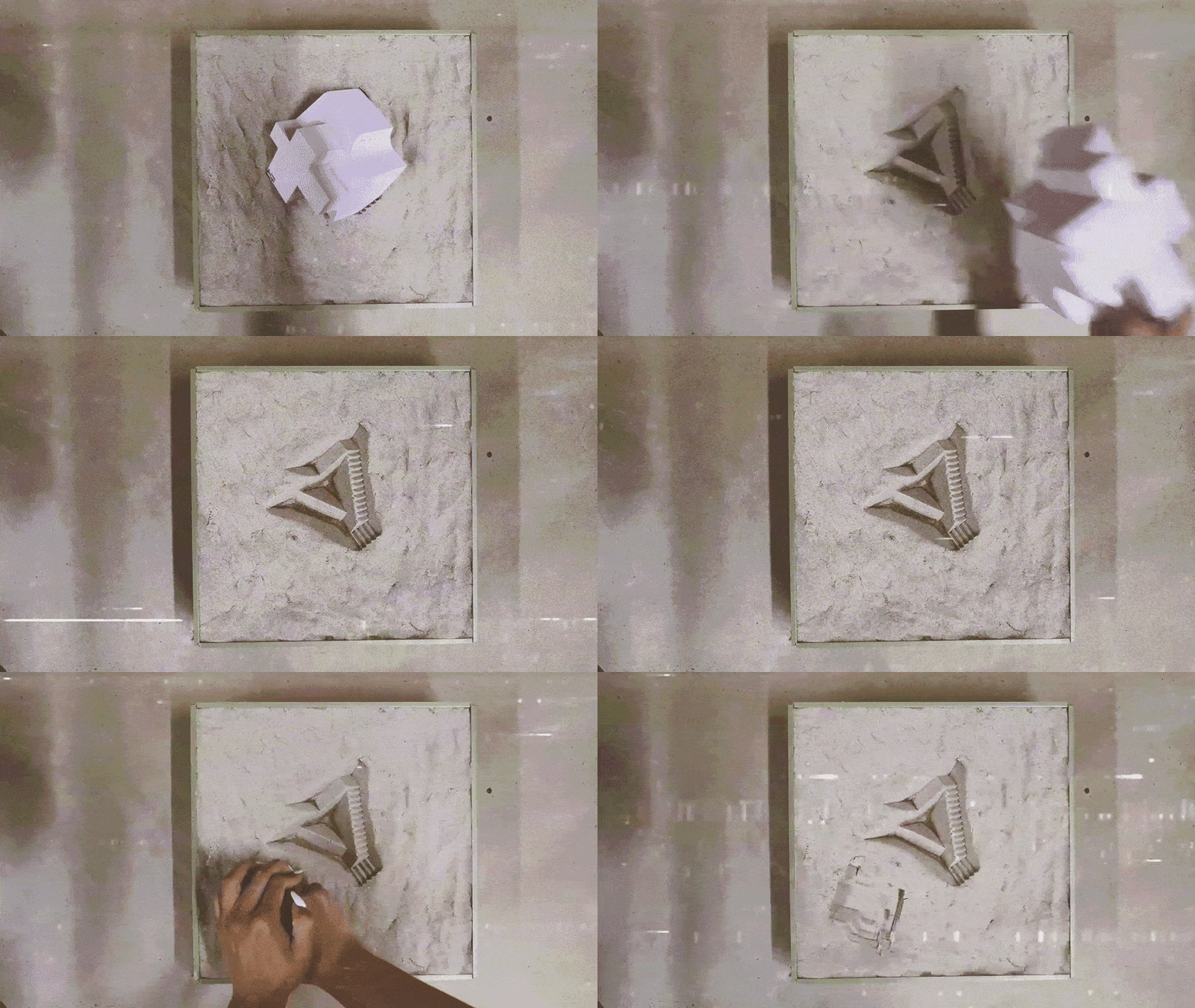
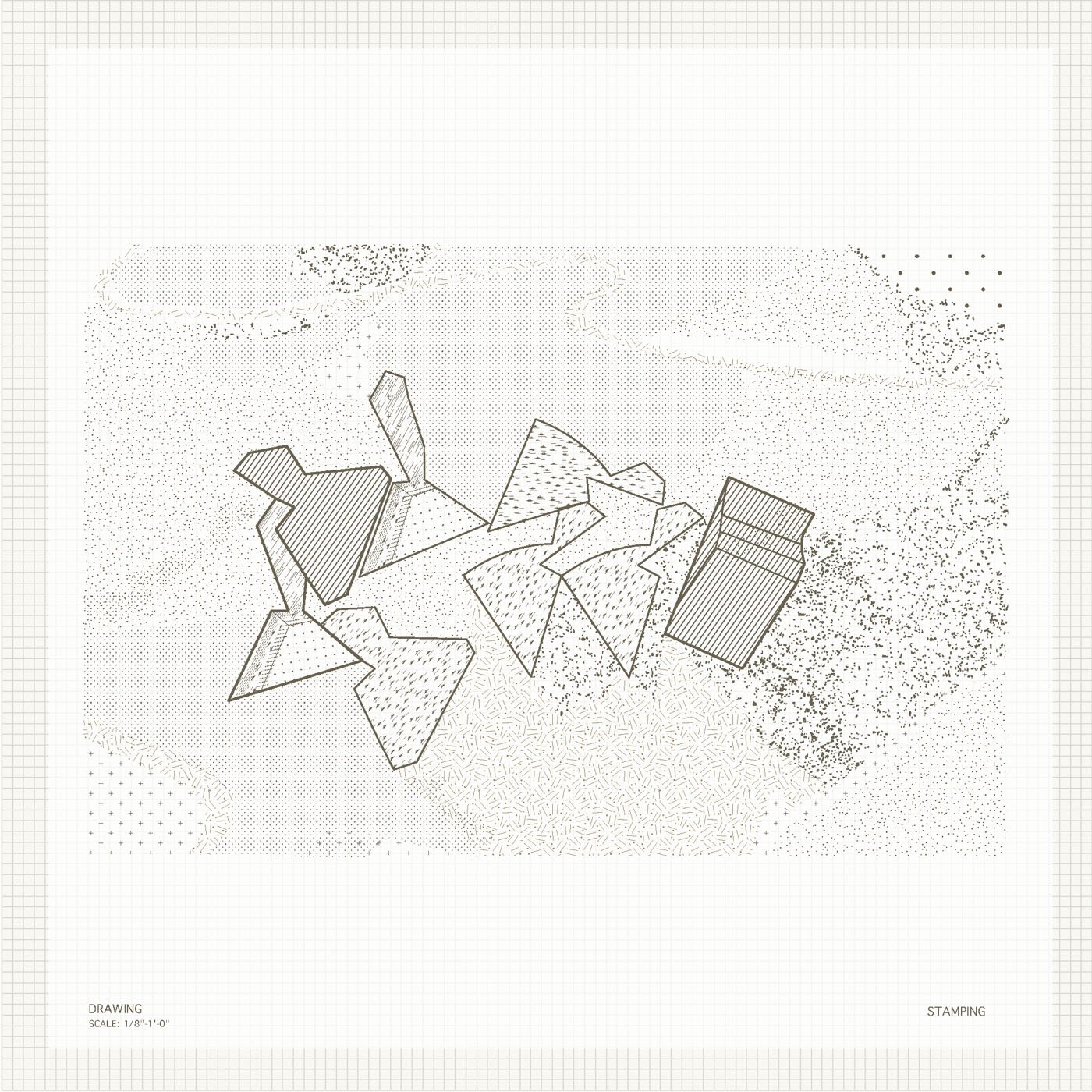
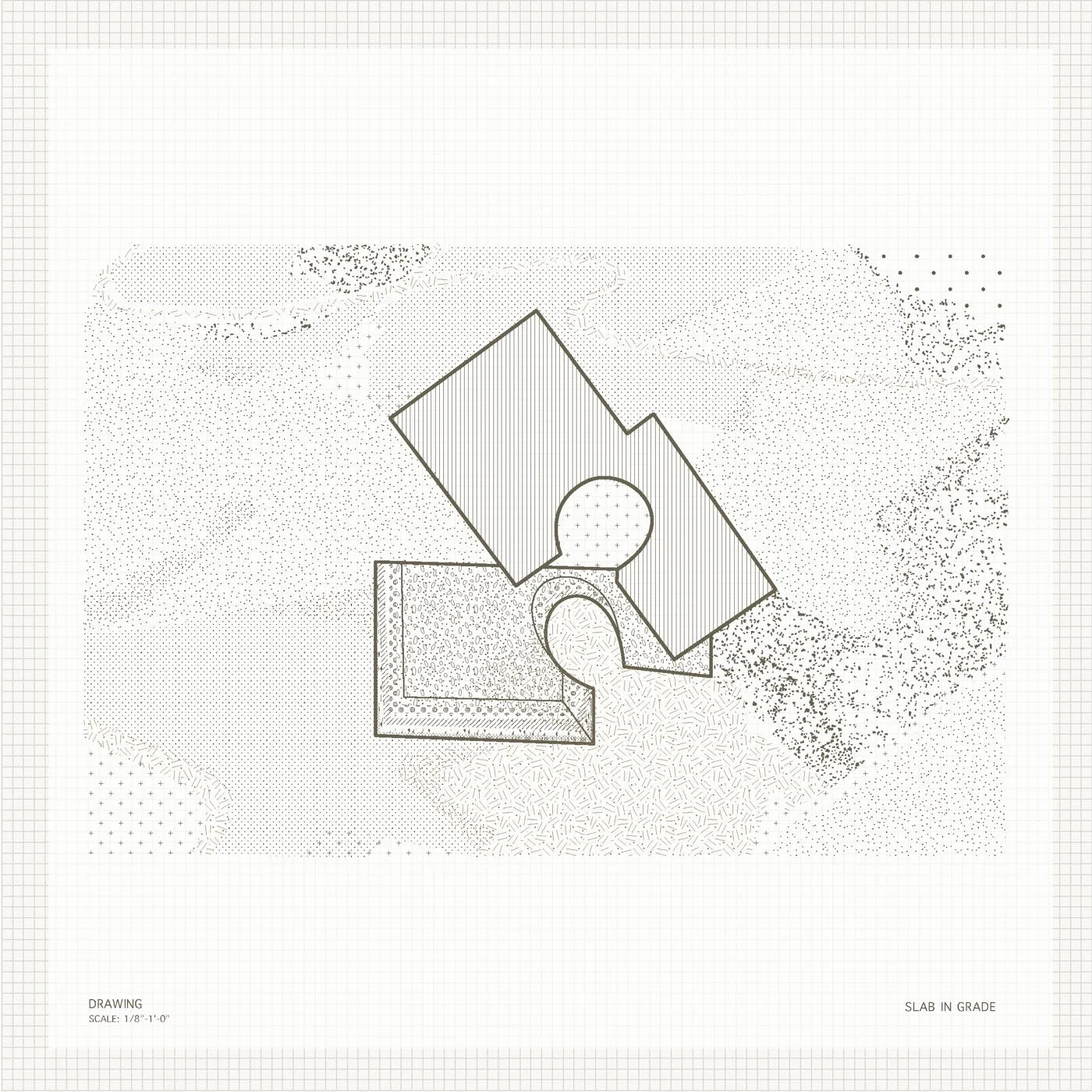
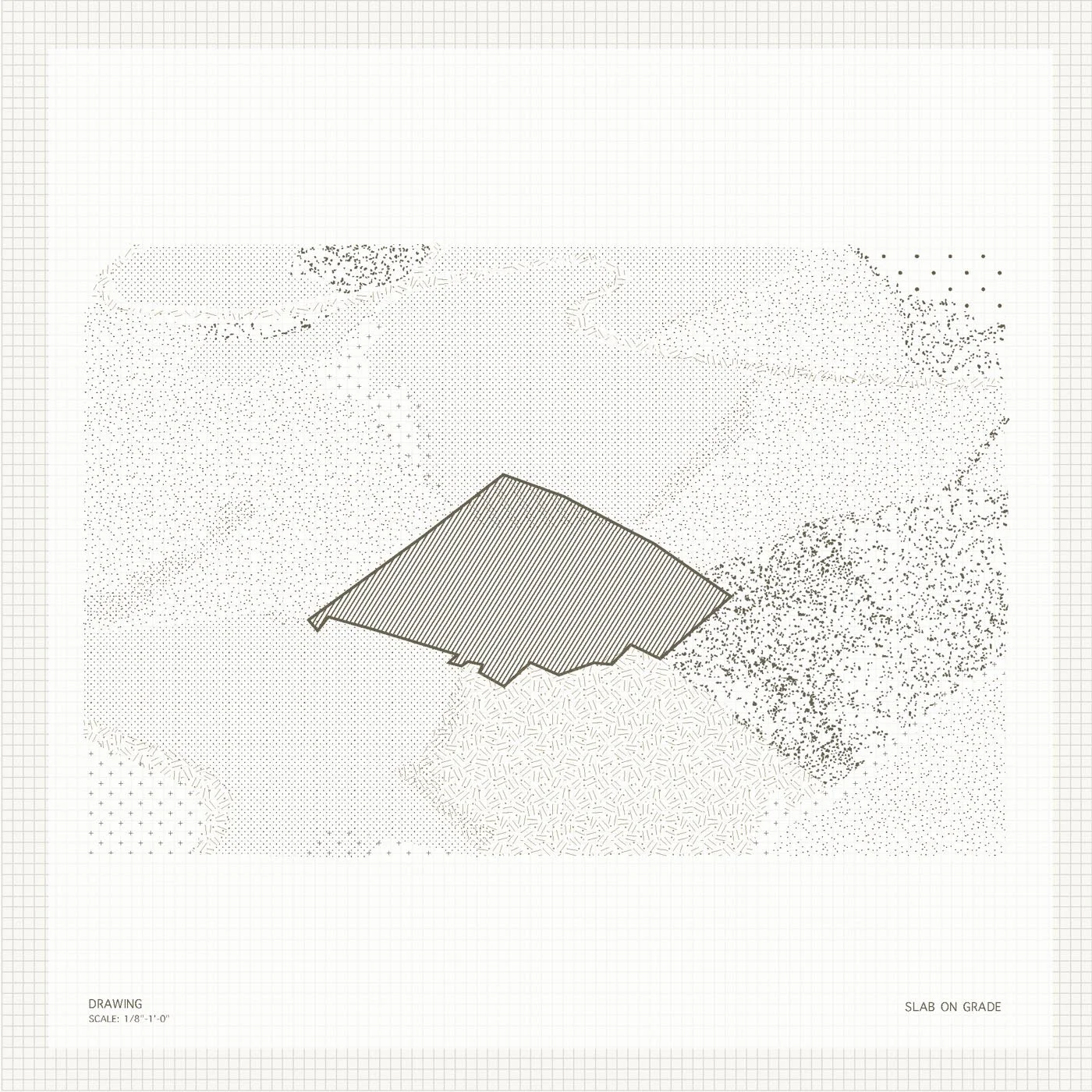
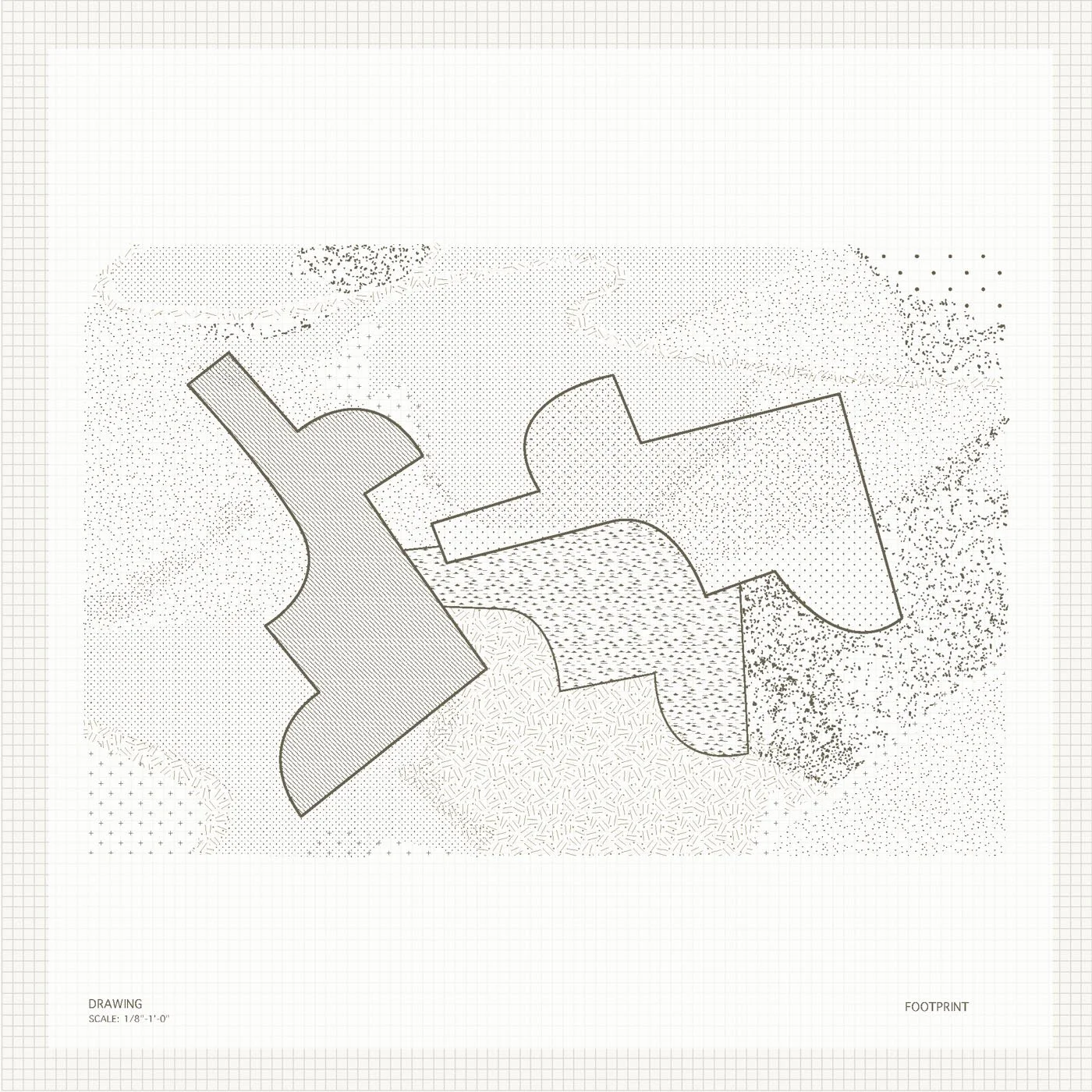
This project does not critique formal design; instead, it seeks to reveal and embrace the dialogue between ground and structure. It asks fundamental questions: How do buildings truly meet the earth? How can construction methods and foundations engage not only physically but symbolically with soil?
By reframing the ground as an active participant in architecture, this thesis proposes that soil is not simply a base for construction but a collaborator in design. Whether through foundations, excavations, or the traces left in the land, soil records human presence transforming architecture into a living archive of place, memory, and time.