Minkuan Hu
Temporal Rupture
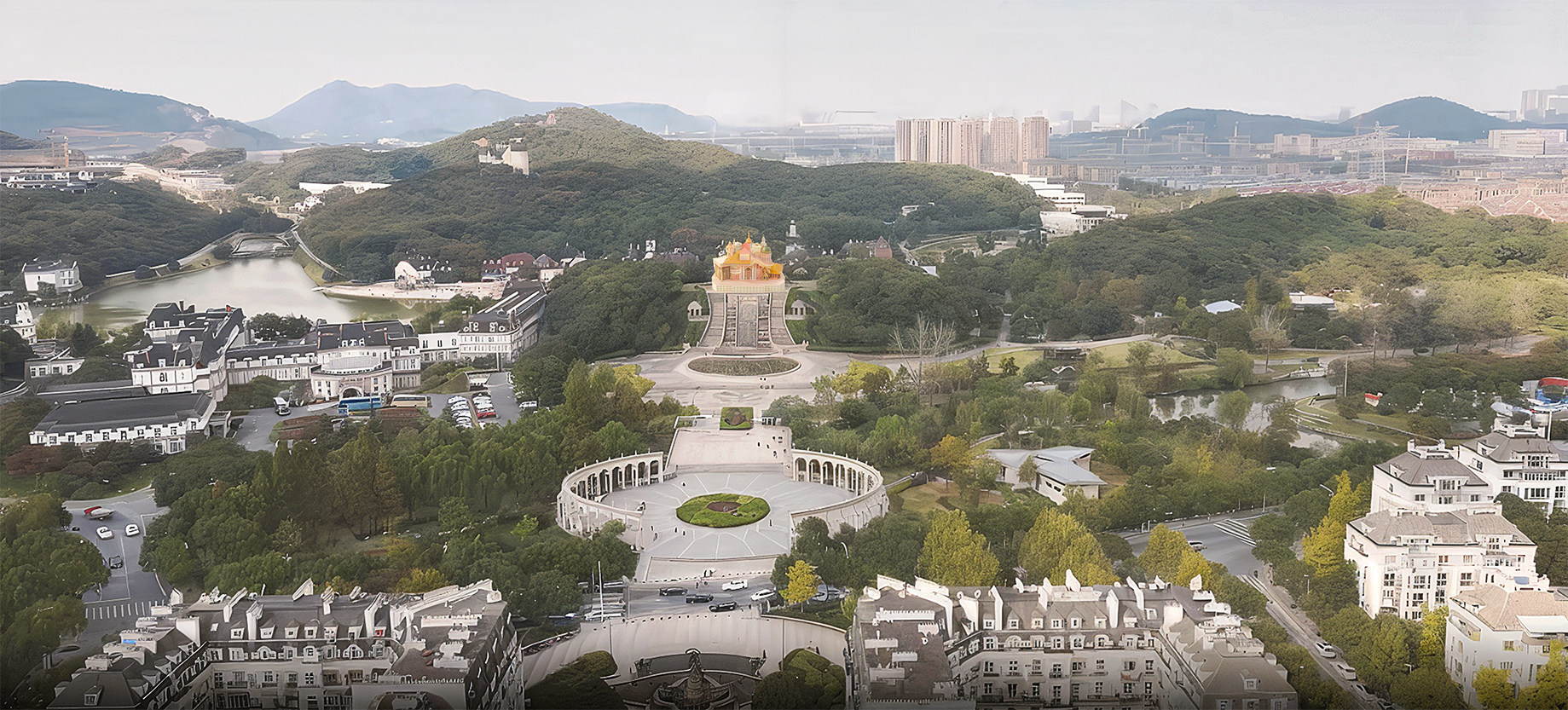
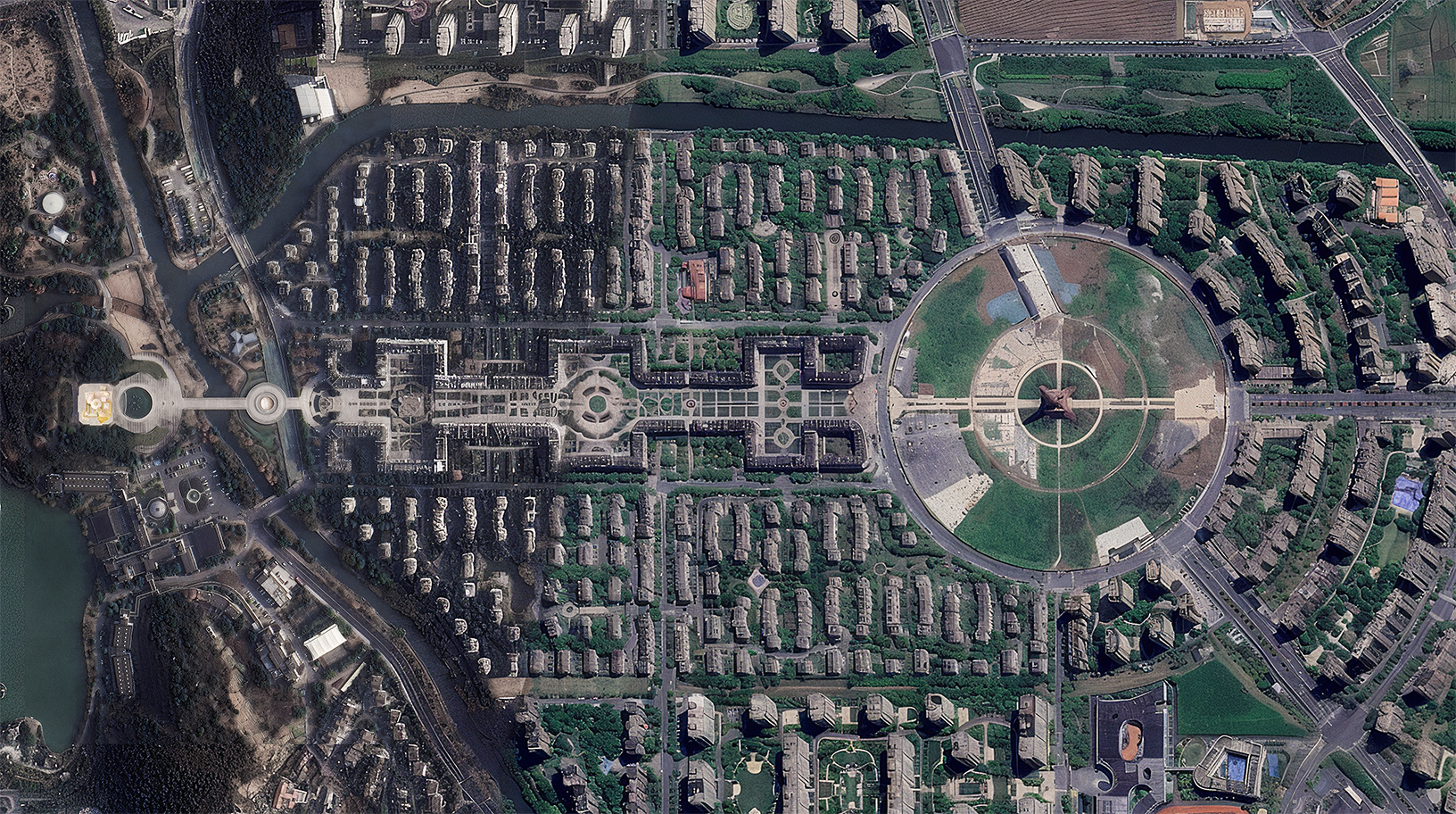
Using Tianducheng—a replica Parisian development in Hangzhou, China—as its point of departure, this thesis examines how architecture can critique cultural invention. Built in 2007 to offer residents a “European lifestyle,” Tianducheng replicates familiar Parisian streetscapes and landmarks, most notably a scaled Eiffel Tower. While visually convincing at first glance, the experience of the place reveals an emptiness: it is a three-dimensional image of France without the cultural, historical, or social context that gives the original its meaning.
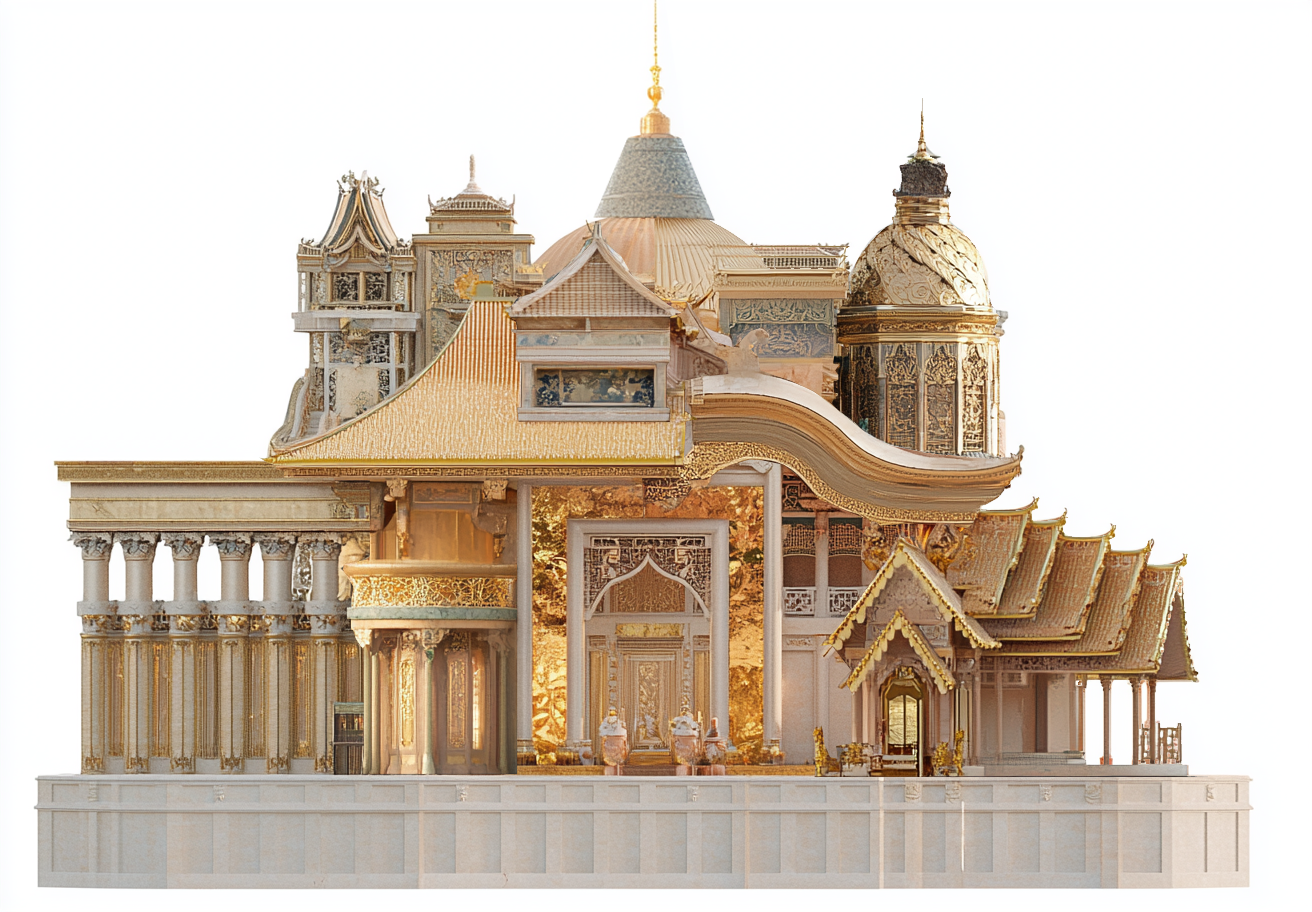
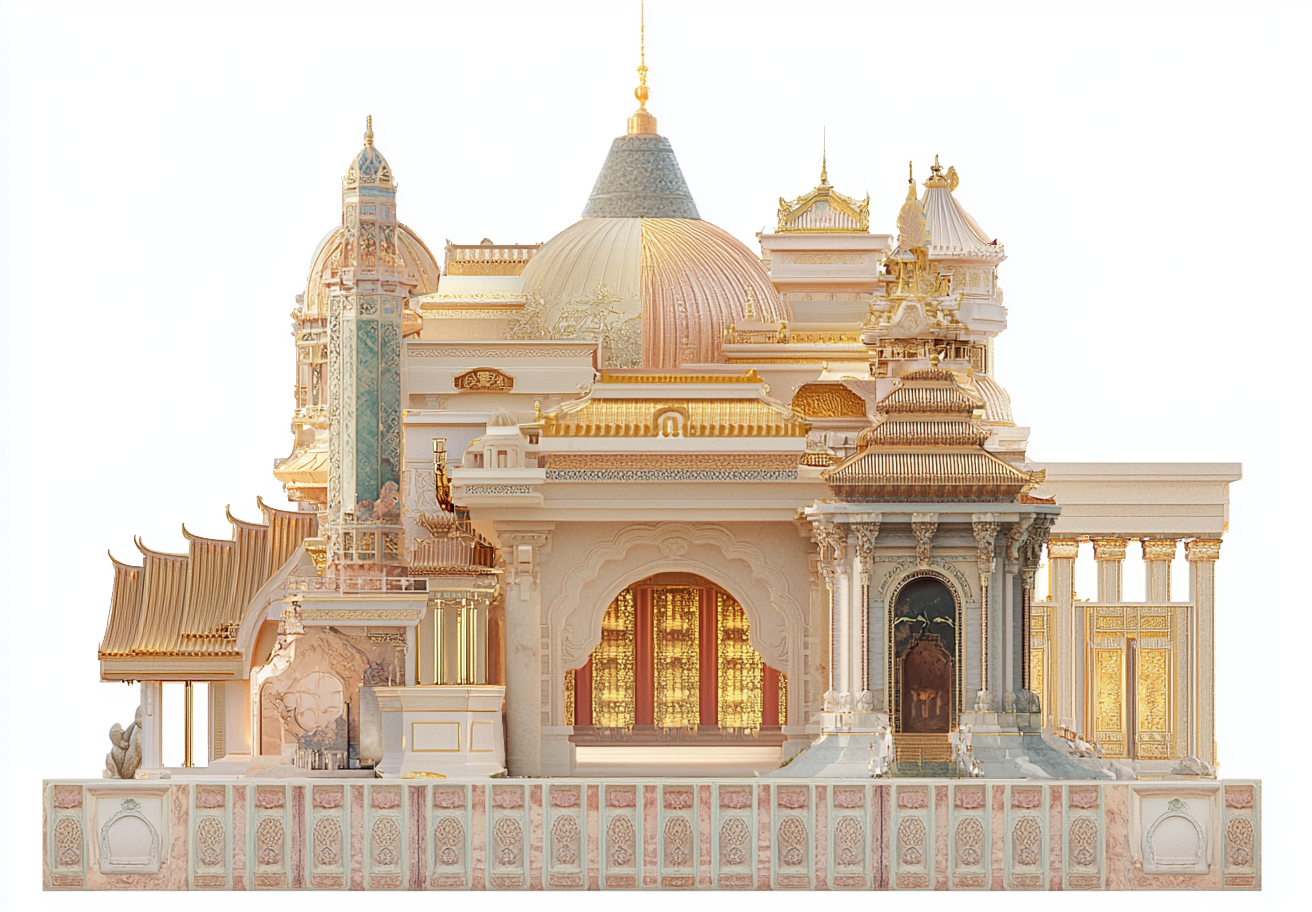
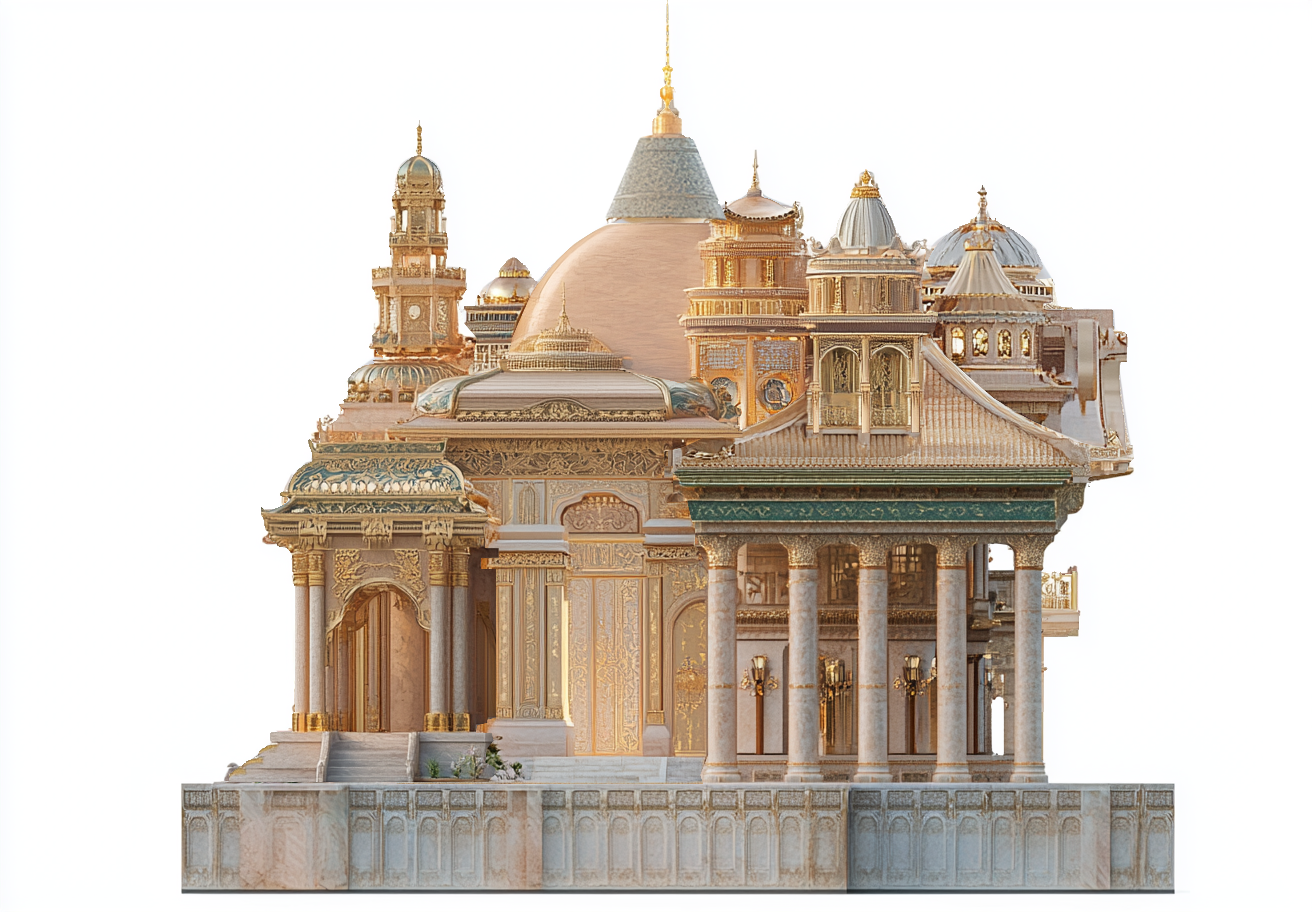
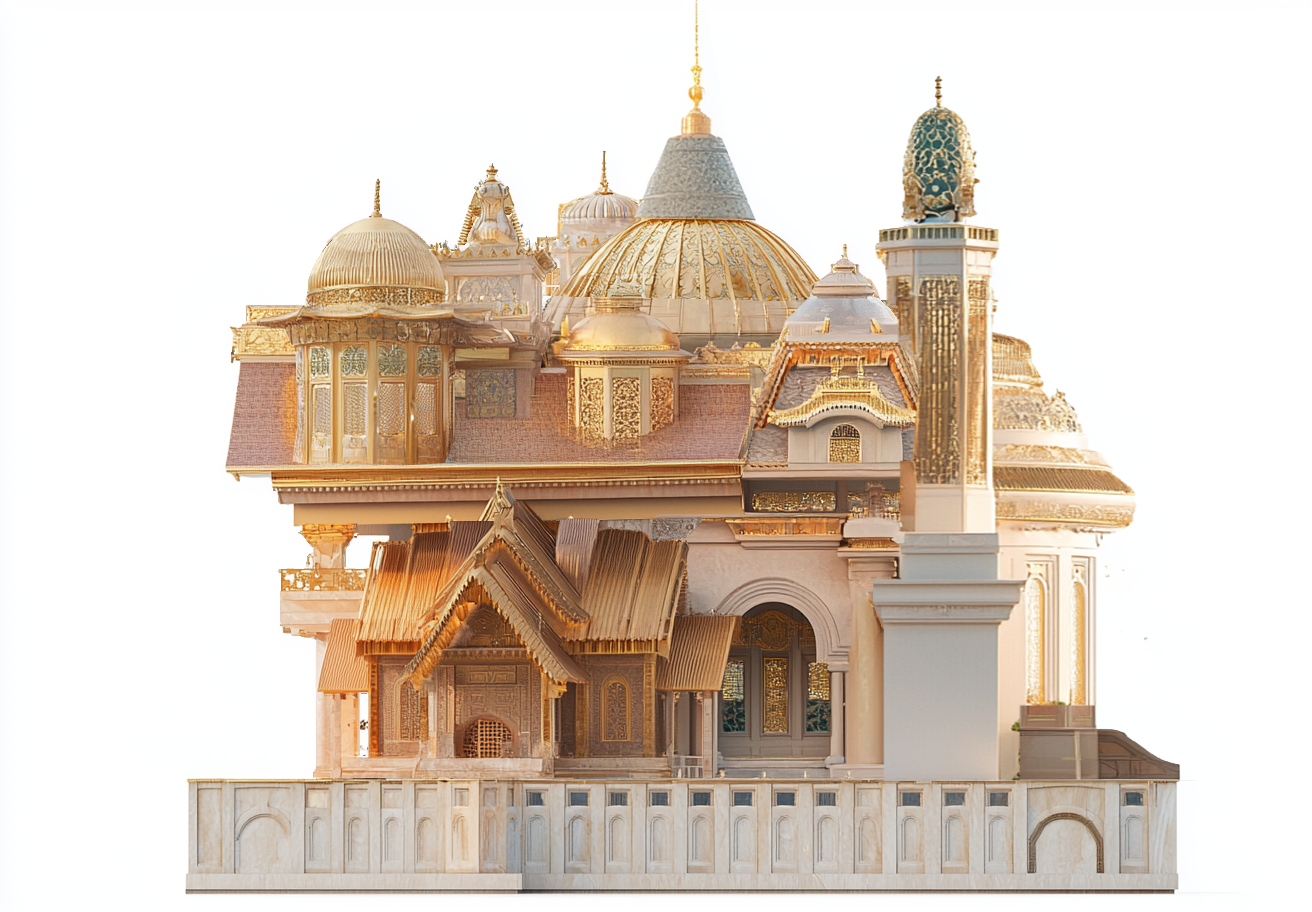
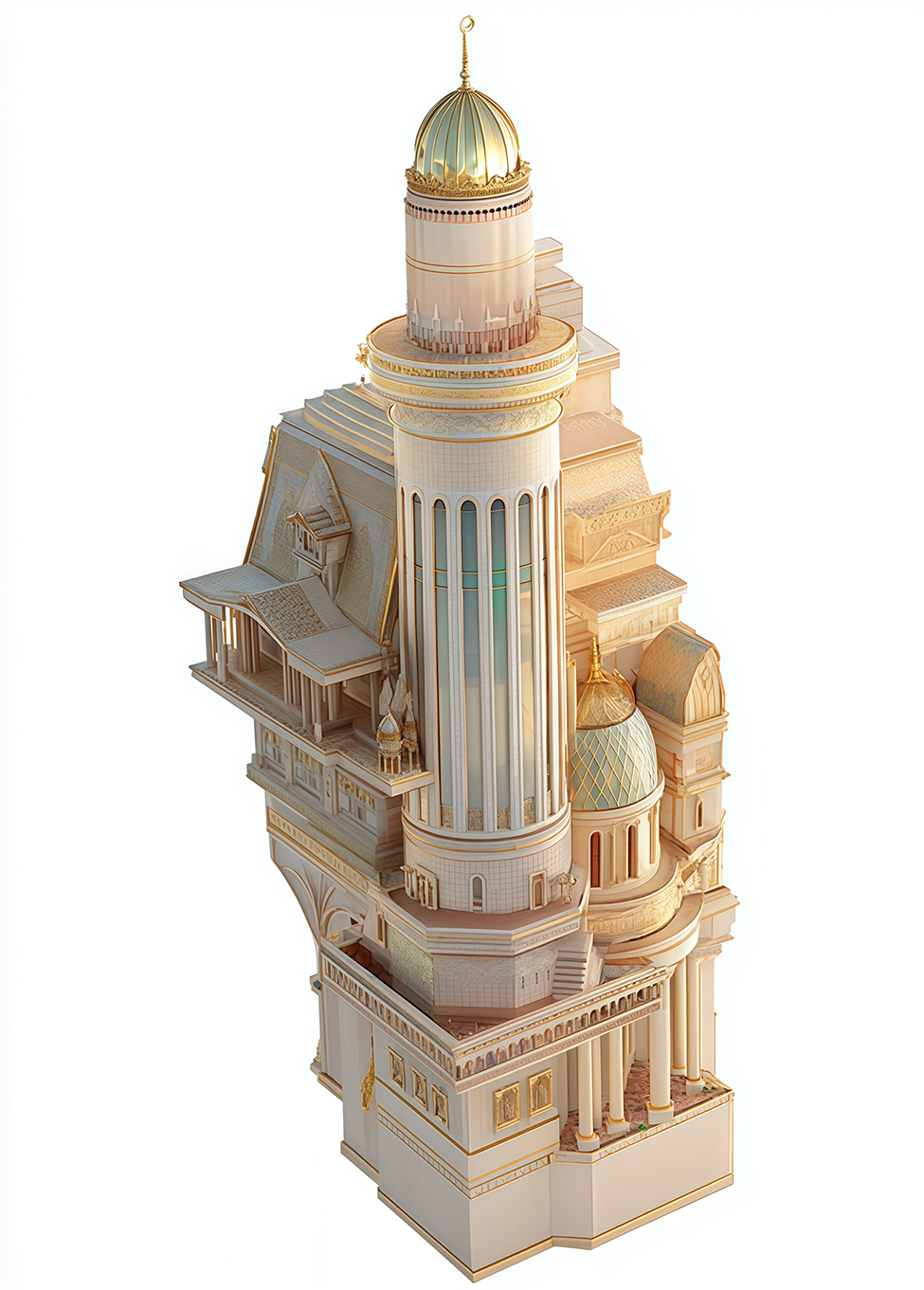
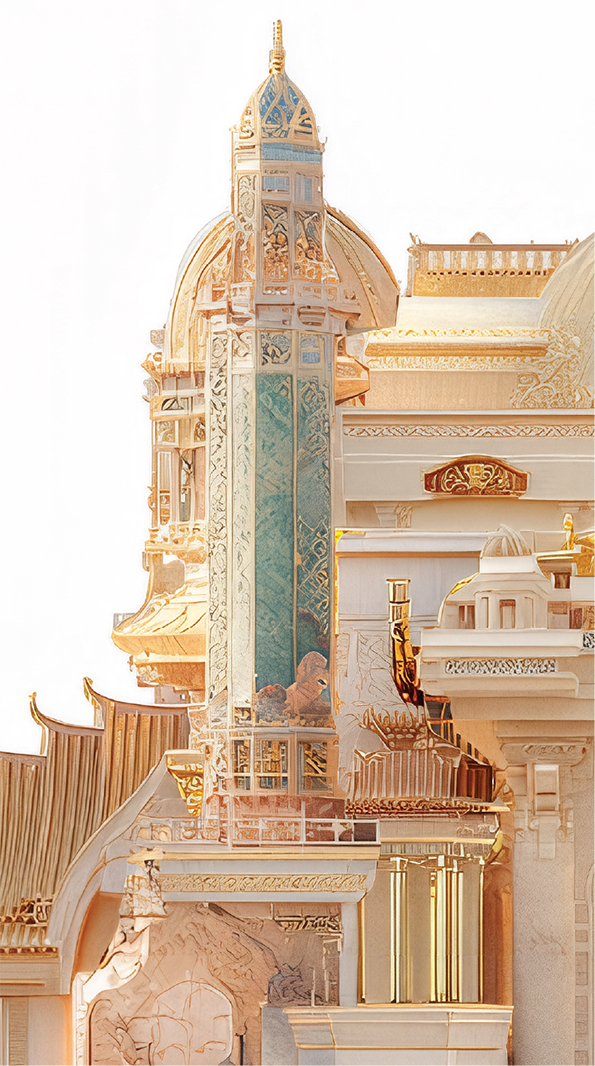
This project responds to that condition through the design of a speculative pavilion. The pavilion is assembled from mismatched architectural fragments taken from different historical periods and cultural traditions. Domes, arches, roofs, and columns are collaged together without regard for conventional scale, hierarchy, or continuity. These deliberate distortions create a sense of temporal rupture—a collision of eras and styles that refuse to resolve into a coherent whole.
By exaggerating the visual disjunction already present in Tianducheng, the project makes visible what is often overlooked: the instability of identity when it is built solely through aesthetic imitation. The pavilion is not intended as a functional addition to the site, but as a critical object that prompts reflection. It invites residents and visitors to question what is remembered and what is lost when architecture becomes a matter of surface reproduction.
Ultimately, this thesis argues that architecture can be both a mirror and a provocation. In mirroring Tianducheng’s reliance on borrowed imagery, the pavilion reveals the cultural void beneath its visual appeal. In provoking discomfort through its fragmentary form, it opens space for a deeper conversation about how cities construct identity, and whether there is value in remembering—or even embracing—the histories that replication tends to forget.