Krish Dittmer
A Prototype for the Unpermitted
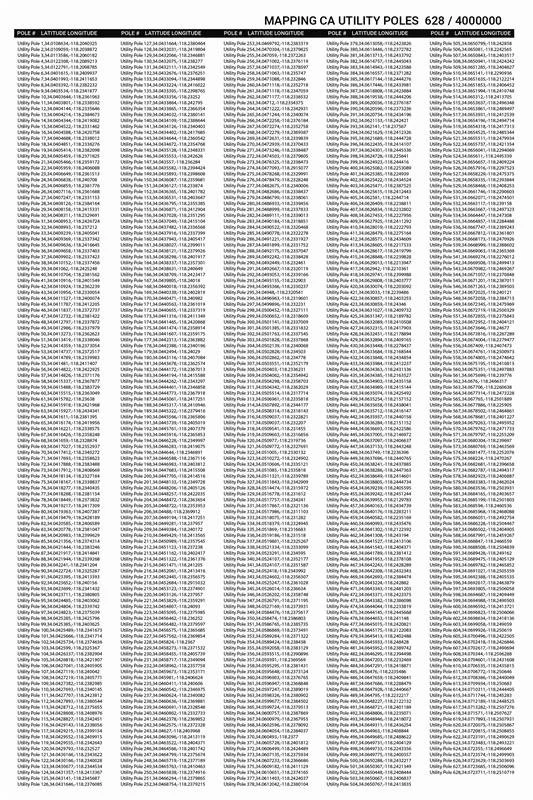
To act with care in a world built on control is to risk becoming a criminal. This thesis considers architecture as an act of interruption within the endlessly surveilled, controlled, and marketized world. Through a deliberate investigation of utility poles—California’s 4 million silent sentinels— it asks: Is a utility pole a tree? Is there a forest that we have been trained not to see, zones that we have been trained not to pass?
It begins with looking deeper, with noticing what’s been erased. Through field research, lines of infrastructure are traced, discarded materials collected, and the quiet violence of the everyday is dissected. These moments of uncovering reveal the overlooked and the neglected, opening a space to intervene directly in the material fabric of the city.
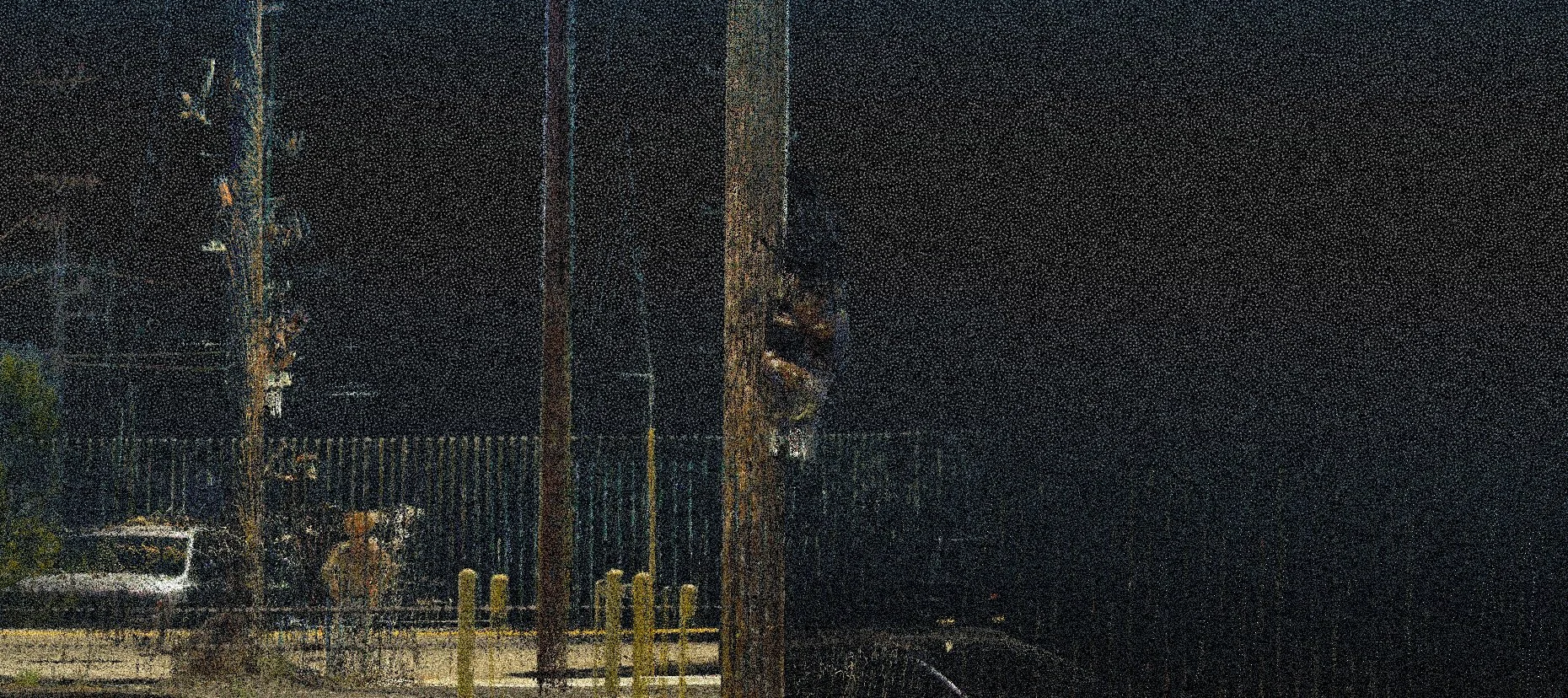
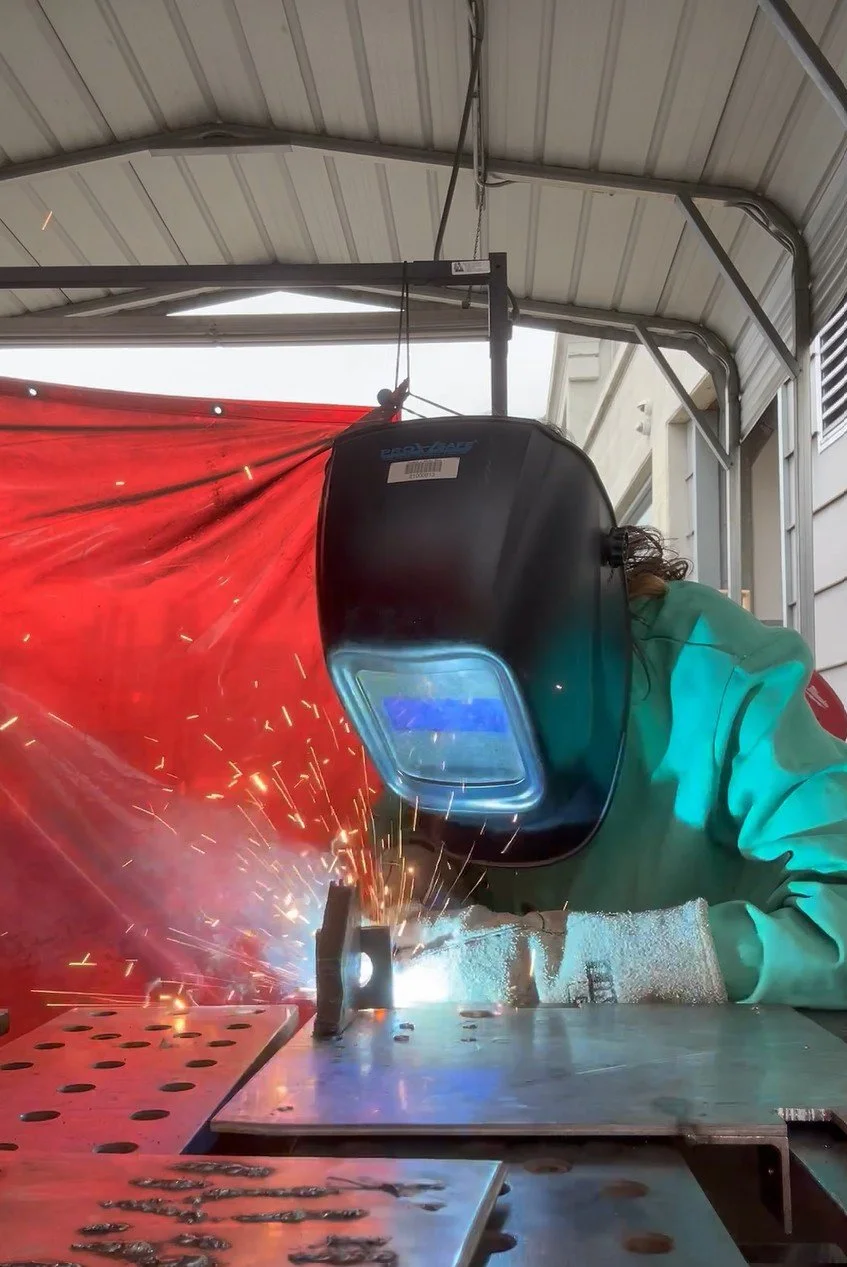
Flanking SCI-Arc’s metal fence, pole number 466773M and its ‘buddy pole’ 428574M become a case for a closer investigation. In the act of building (cutting, sanding, grinding, welding, unwelding, bolting, tying, hacking, and fastening) a 1:1 platform-like structure is constructed—part model, part evidence, part altar. Built from reclaimed parts and unsanctioned gestures, it is a provocation for architecture as a forensic act of doing through interventions of what’s already there.
This work rejects the aesthetics of polish, embracing raw joints and improvised connections as visible traces of its making. It doesn’t ask for permission to build. It spoils the system. It argues that architecture should not only be available to power, but accessible to those who need it most.
The thesis claims architecture as an act of expository attention—as a politics of proximity, of care, and of refusal. It resists invisibility, builds with what’s at hand, and acts without waiting.
If this is deviance, let it be deliberate.