Ke Wang
Shelter & Beyond
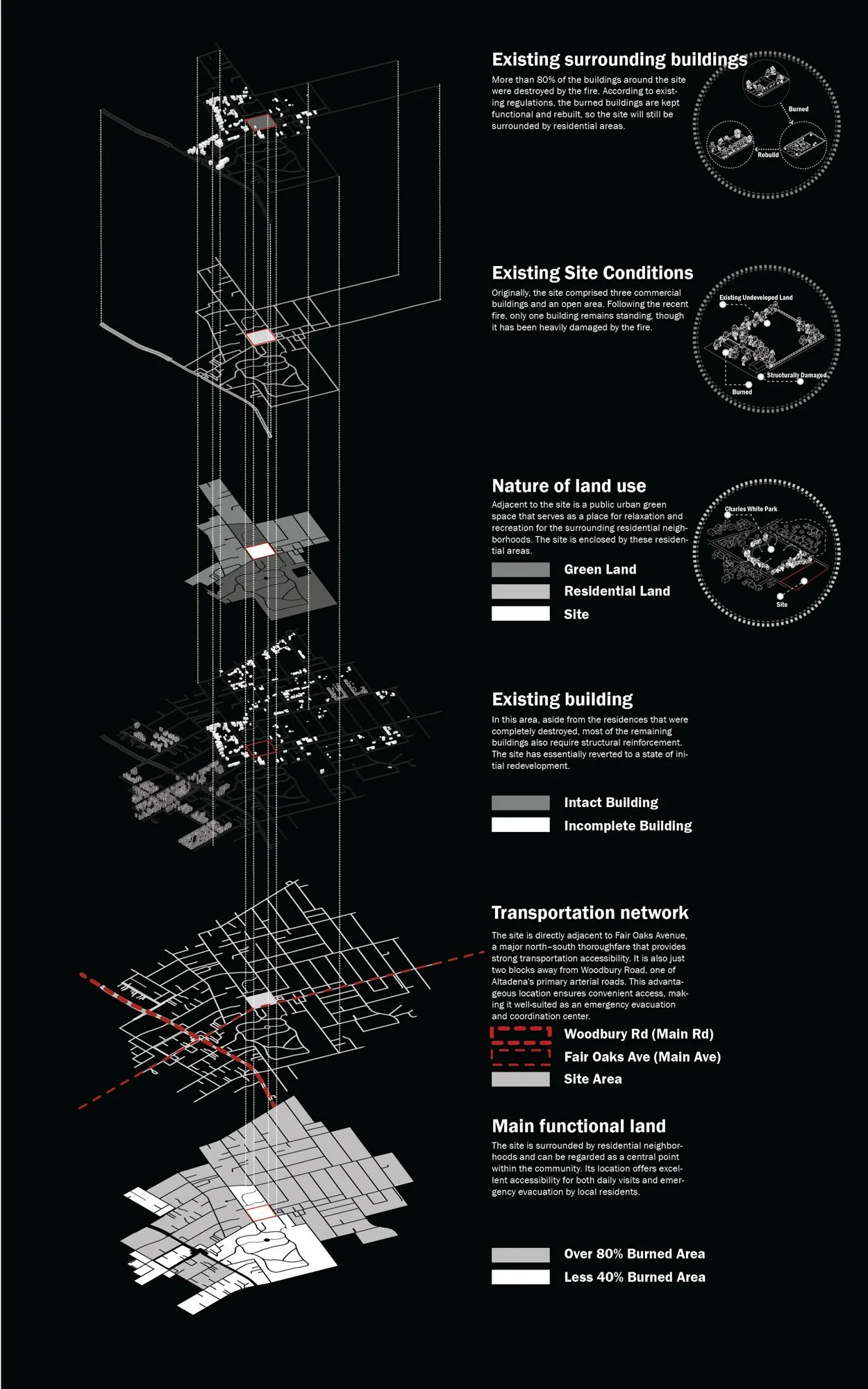
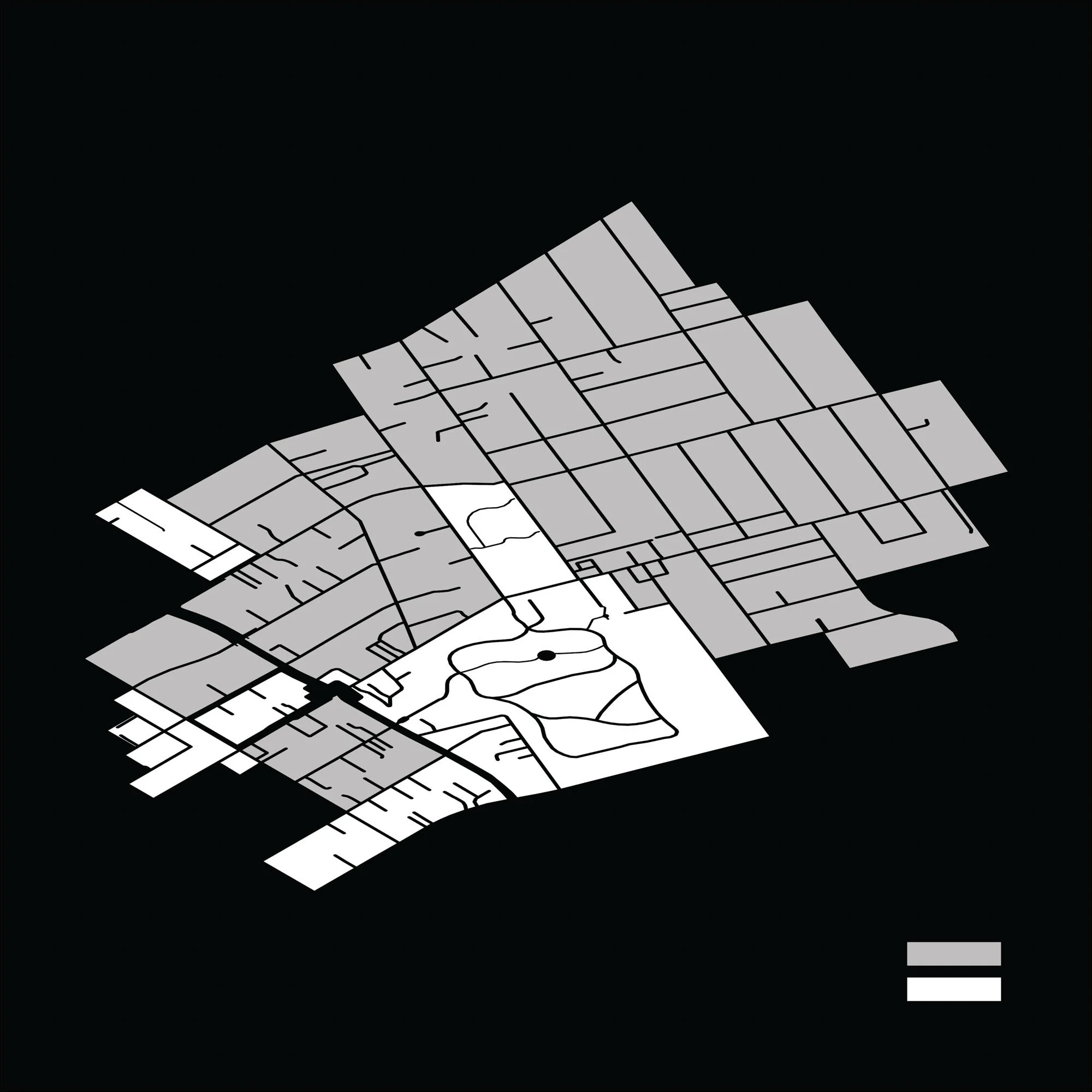
Fire is rapid and destructive, but what truly dismantles a city is the systemic failure that follows. The 2025 Los Angeles wildfires exposed how disaster magnifies hidden vulnerabilities in governance, infrastructure, and trust. My site, Altadena—an unincorporated community—experienced delayed firefighting, unclear command, and chaotic evacuation, while incorporated areas received coordinated, timely aid. This revealed the spatial inequity embedded in urban systems.
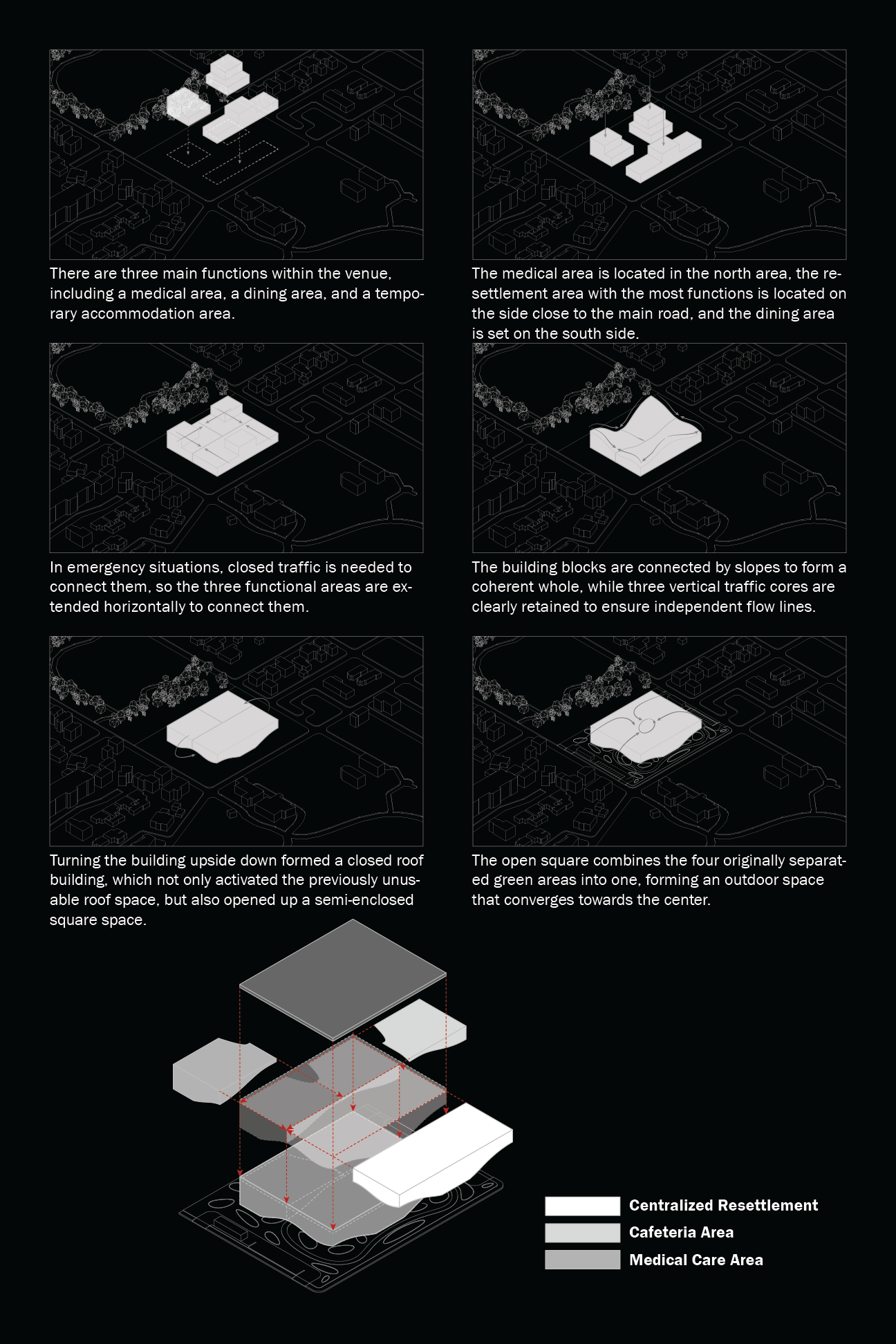
In this context, “shelter” must be redefined. Beyond physical refuge, it should be a social device—organizing people, transmitting information, allocating resources, and rebuilding trust. It must function across time: immediate crisis response, long-term recovery, and everyday life. I call this the “disaster–delay–translation” strategy, where architecture operates in multiple temporal modes with distinct spatial behaviors.
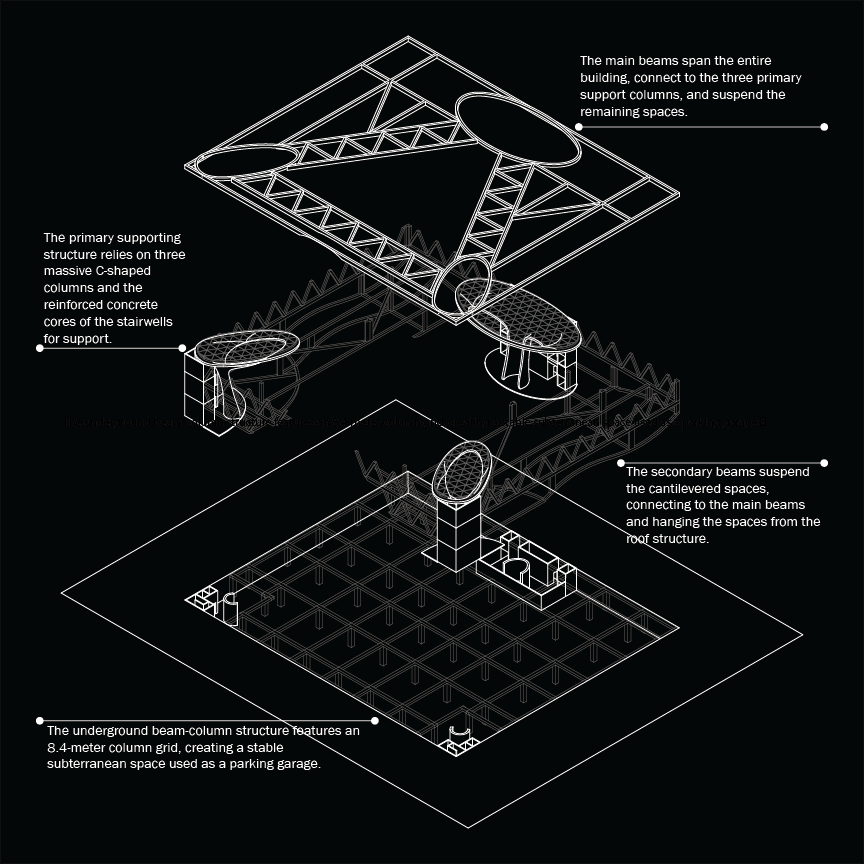
Shelter & Beyond begins with refuge but extends into education, memory, and community building. It occupies a post-disaster site between residential void and urban corridor. Structurally, it is lifted on three C-shaped columns and a circulation core, creating a cantilevered form that frees the ground plane for public use.
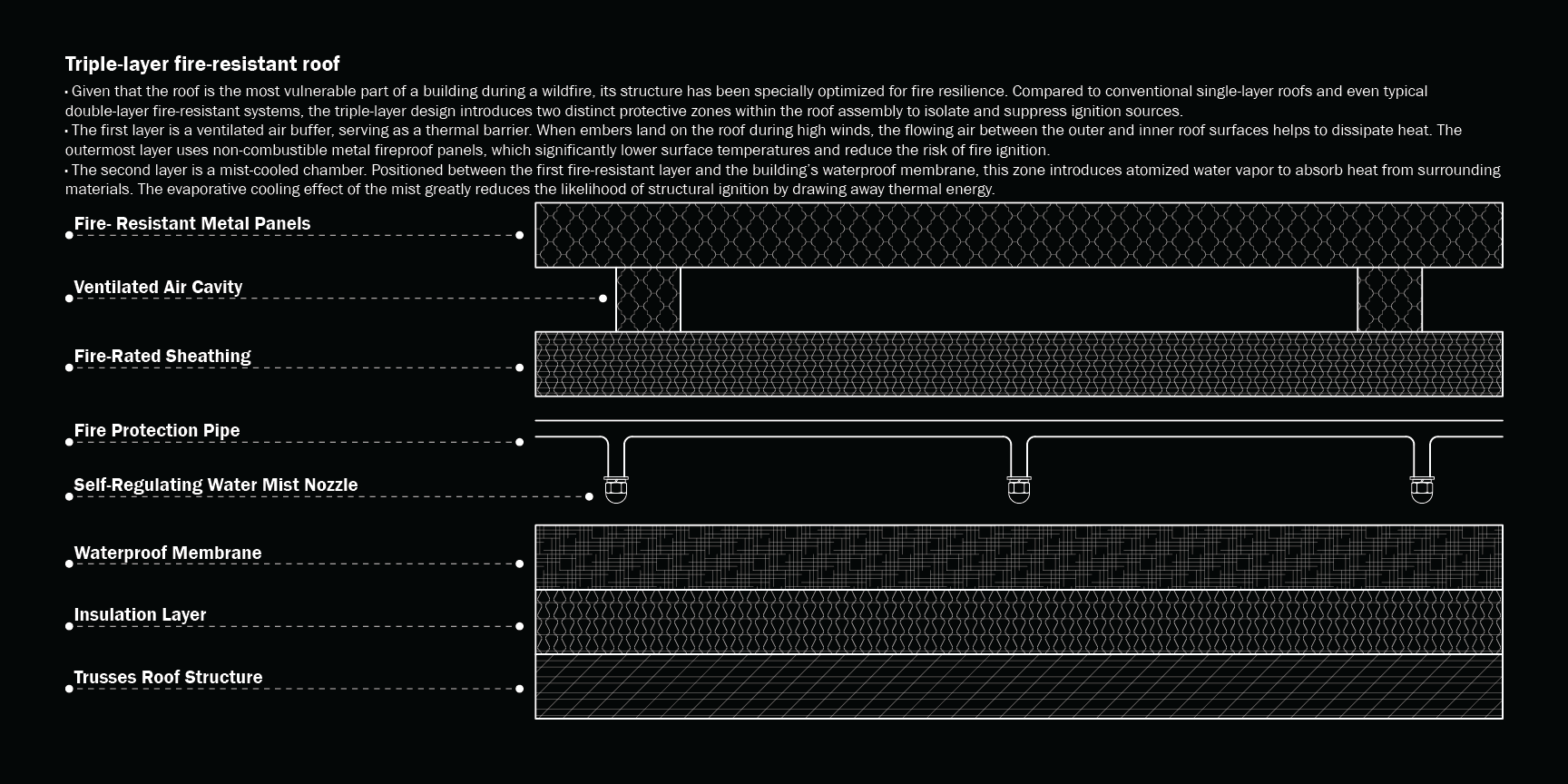
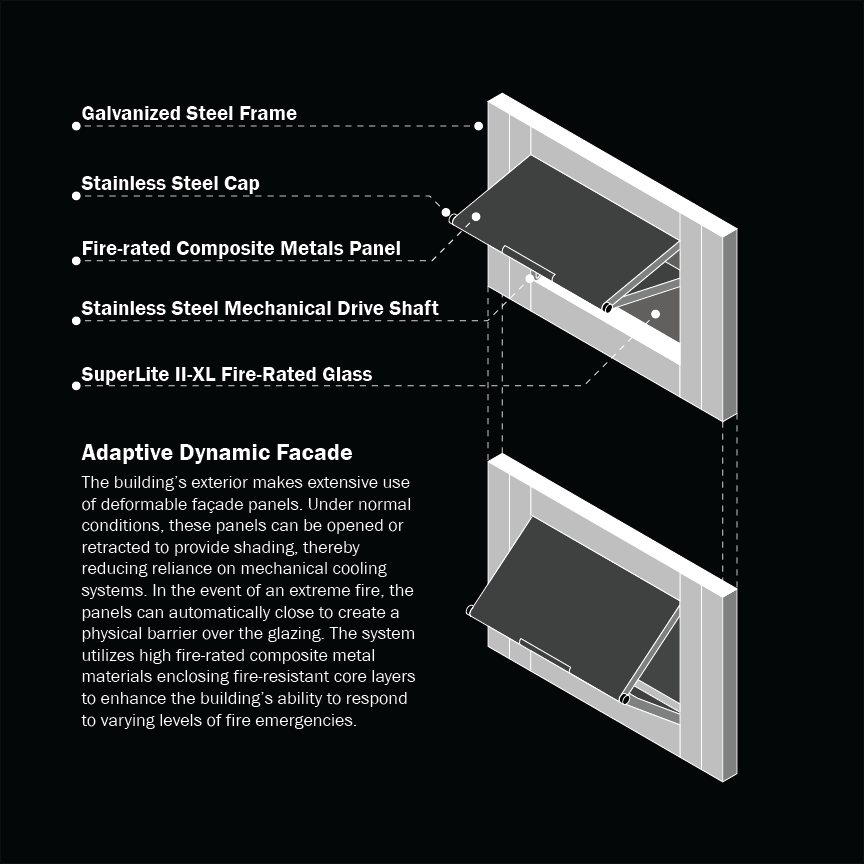
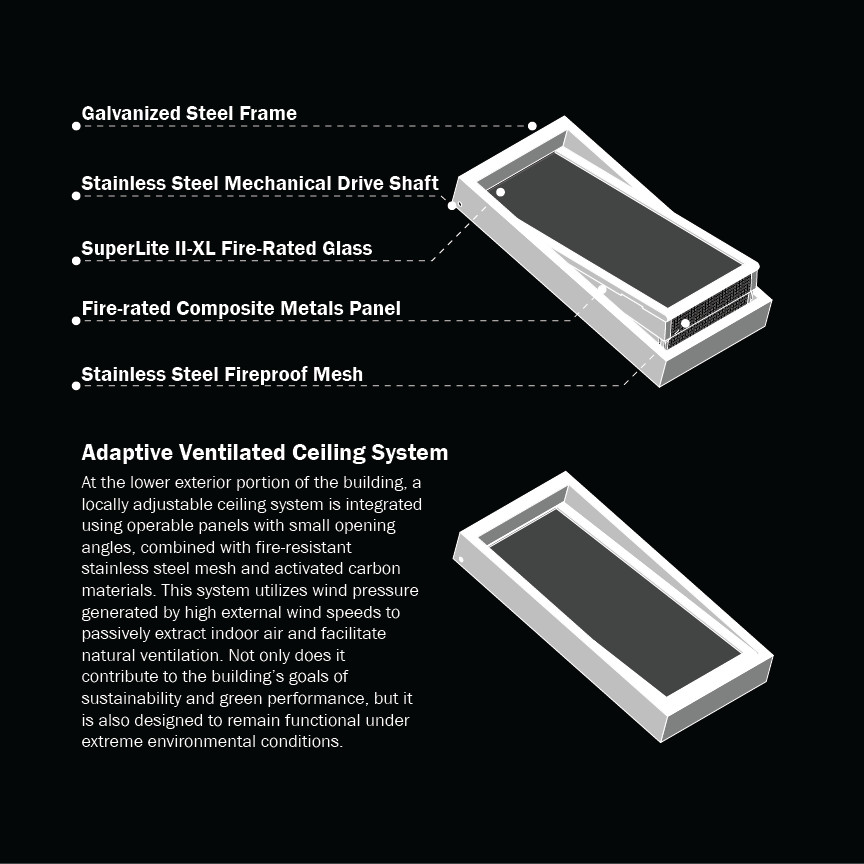
Fire resilience is achieved through a triple-layer roof—fireproof metal shielding, ventilated cooling, and mist-based heat absorption—and an adaptive facade with open, semi-closed, and sealed states. A passive ceiling ventilation system uses wind pressure to exhaust air during high-occupancy sheltering. These low-power strategies address the needs of resource-limited communities.
In peacetime, the building hosts exhibitions, film screenings, and gatherings. In crises, it becomes a command center and refuge. Its adaptability is embedded in its long-term spatial relationship with the community, not just in temporary measures.
This project is ultimately about resilience and coexistence—creating not only fire-resistant structures, but spatial systems that restore connection after rupture.