Kaijiani Wu
The Unfamiliarization of Familiar Spaces
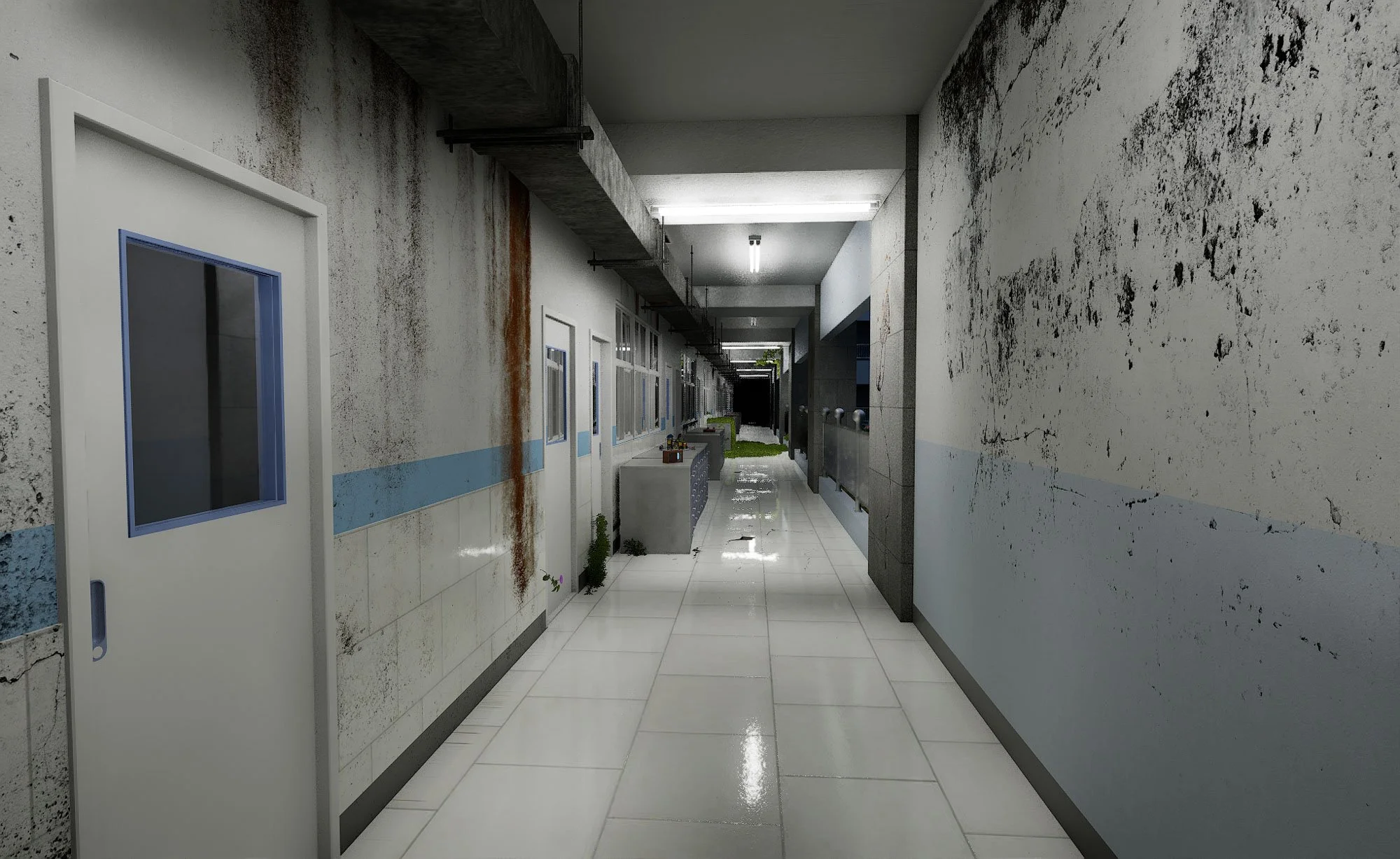
Our perception is fundamentally shaped by our understanding of the real world. The construction of the digital world, from its early pixelated forms to today’s ultra-high-definition realistic renderings, has always relied on mimicking the visual language of reality. Every tree, every brick in the digital space is often a reproduction of familiar elements from the physical world.
However, the digital world is not bound by the physical laws of reality. It offers us a unique realm of freedom, where imagination can override the constraints of the real and allow us to reconstruct space and experience in new and unexpected ways.
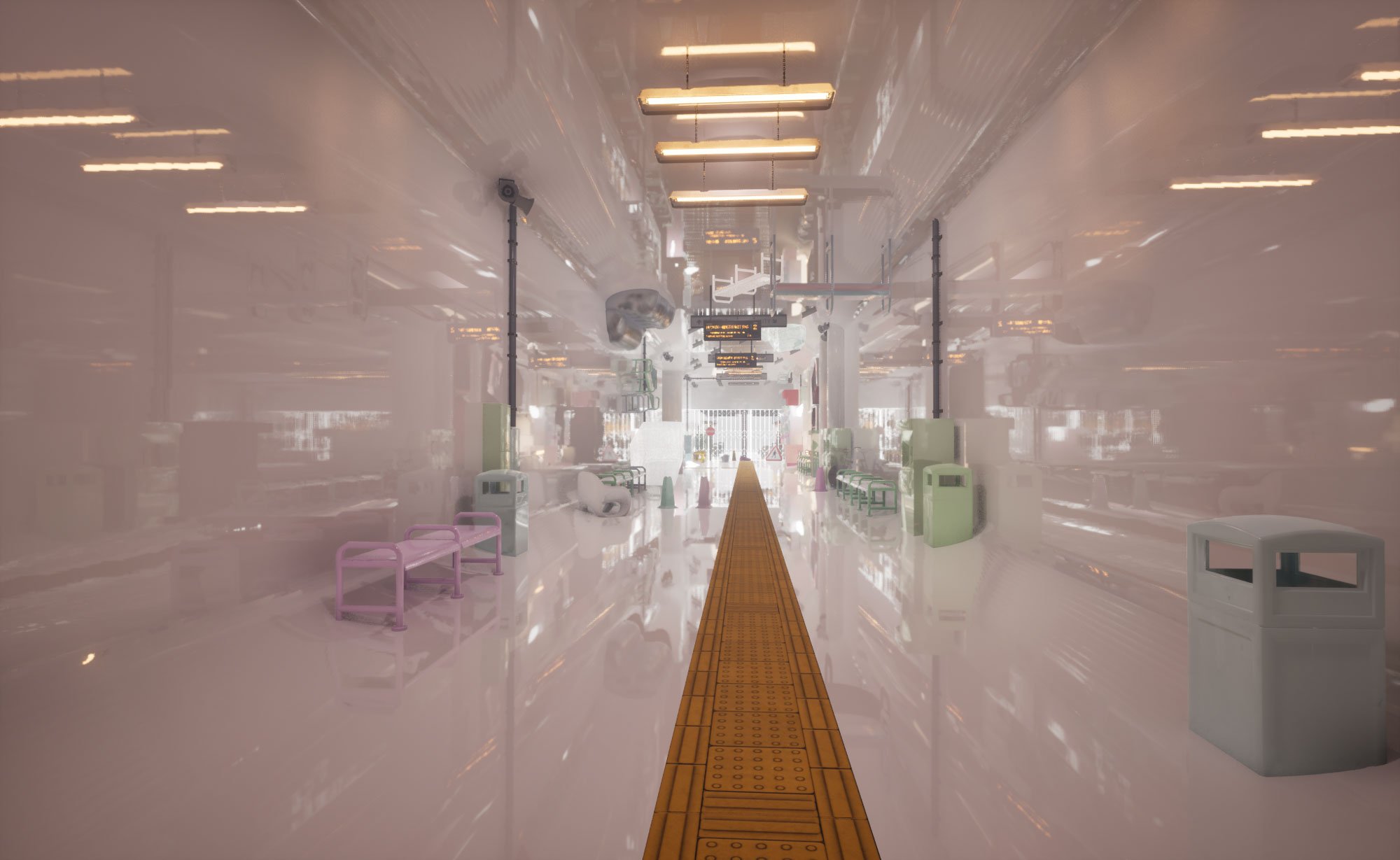
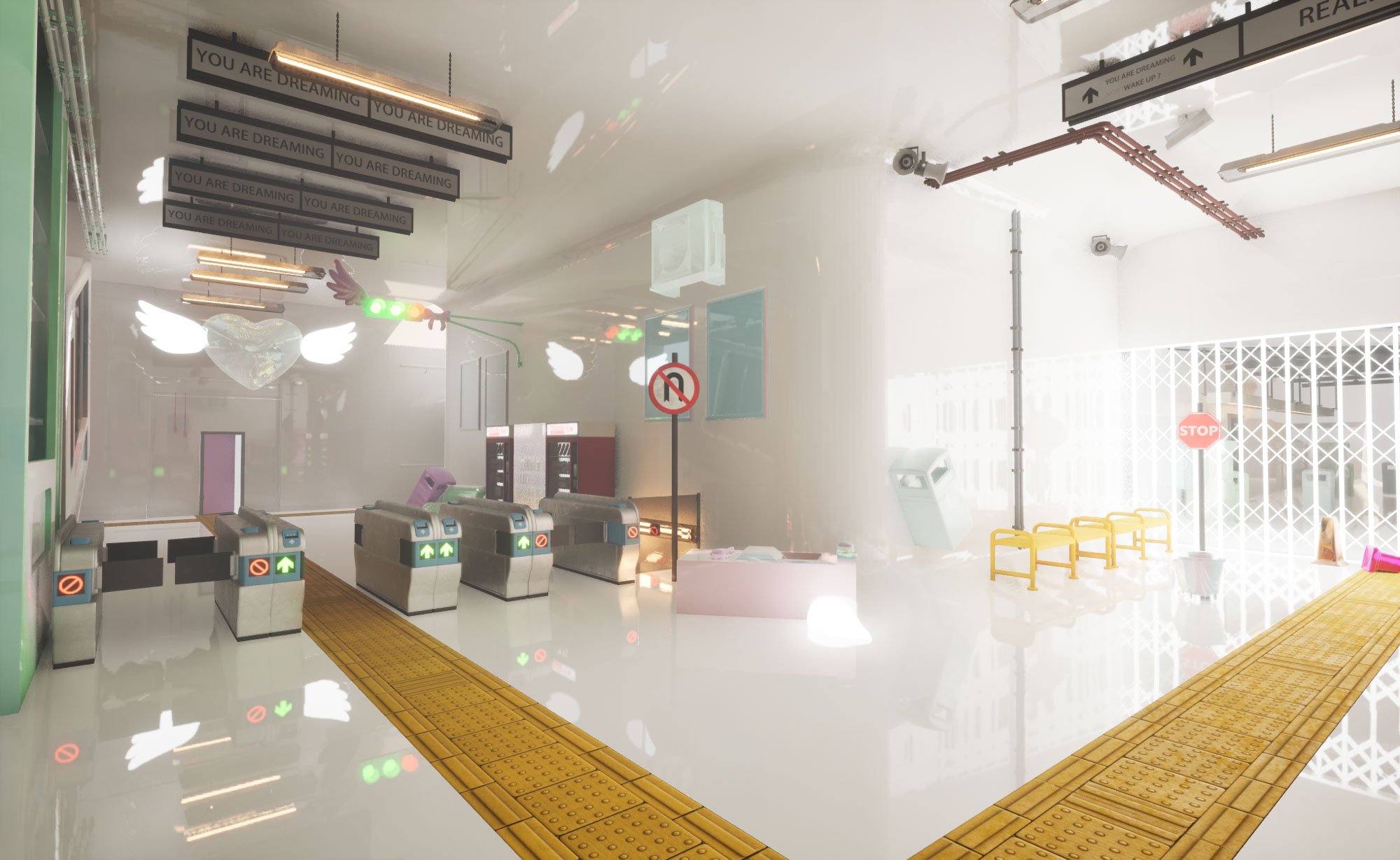
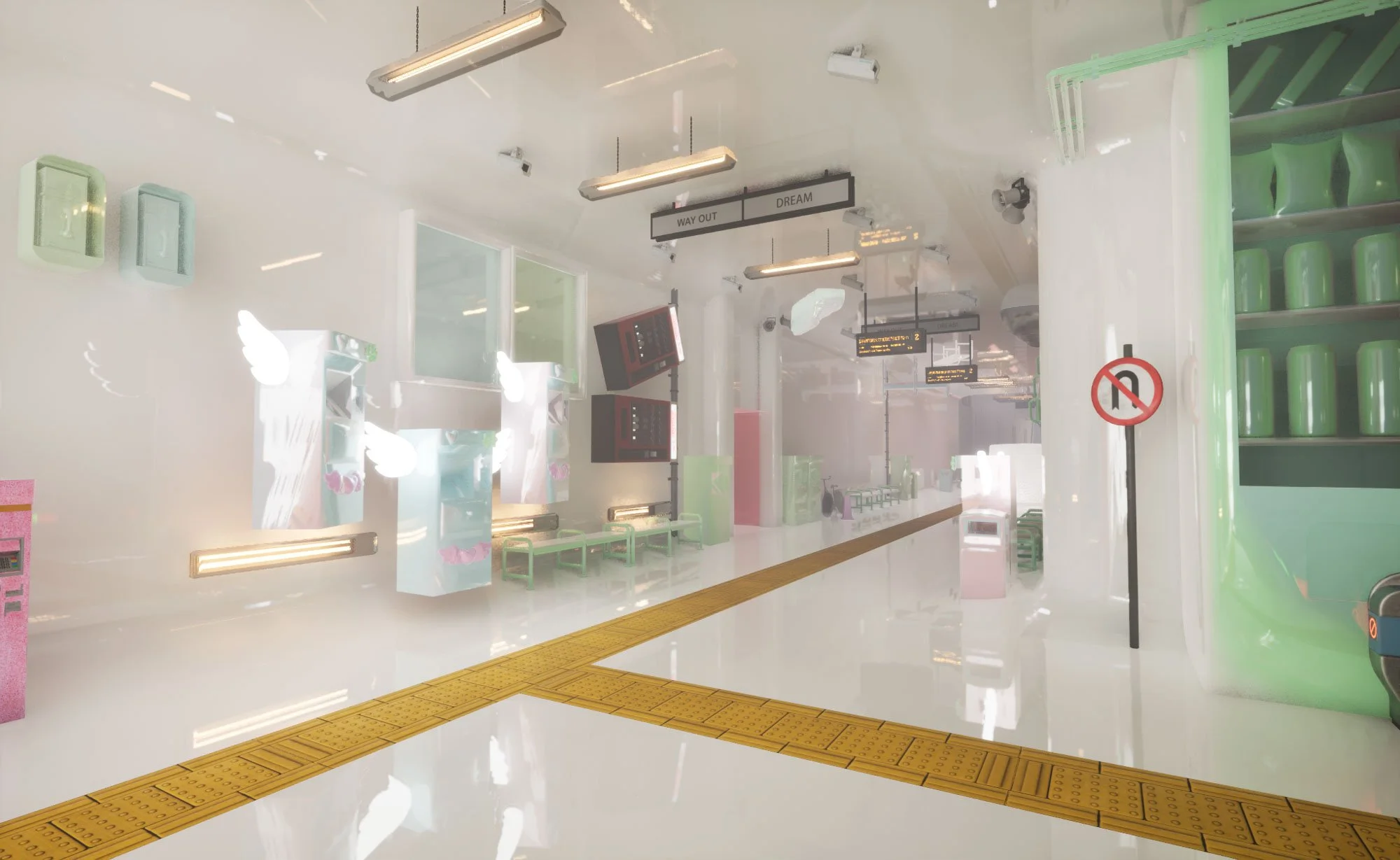
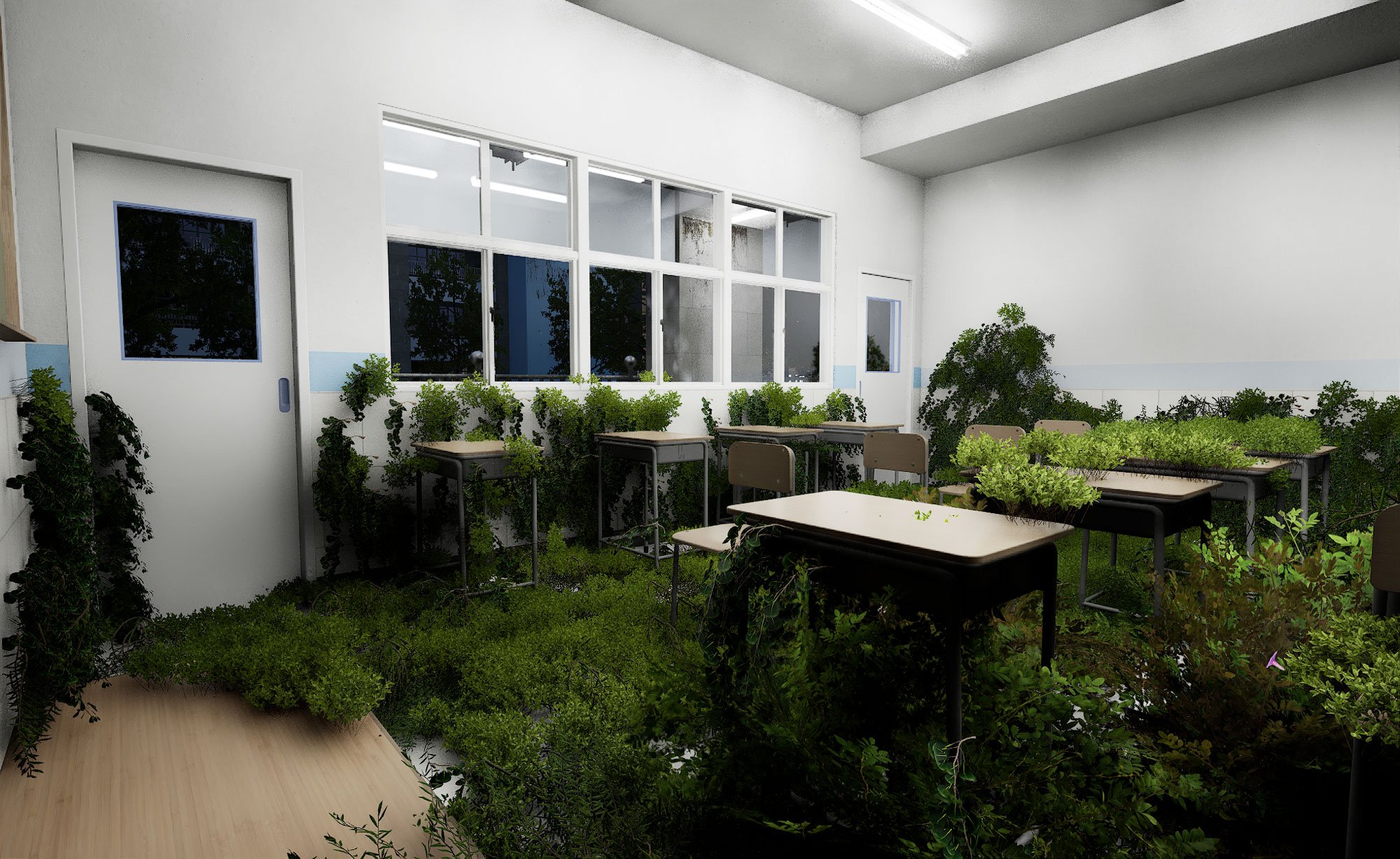
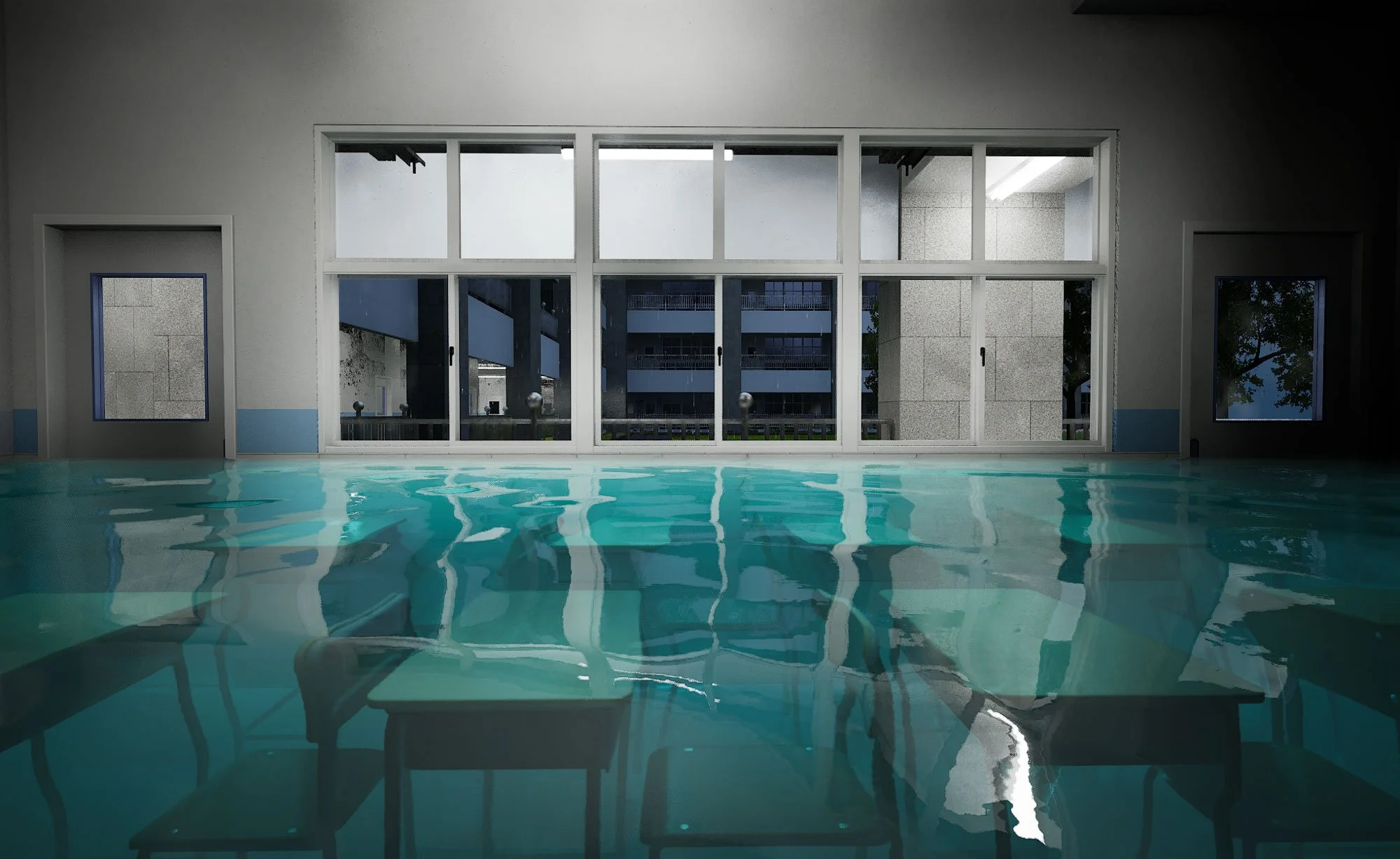
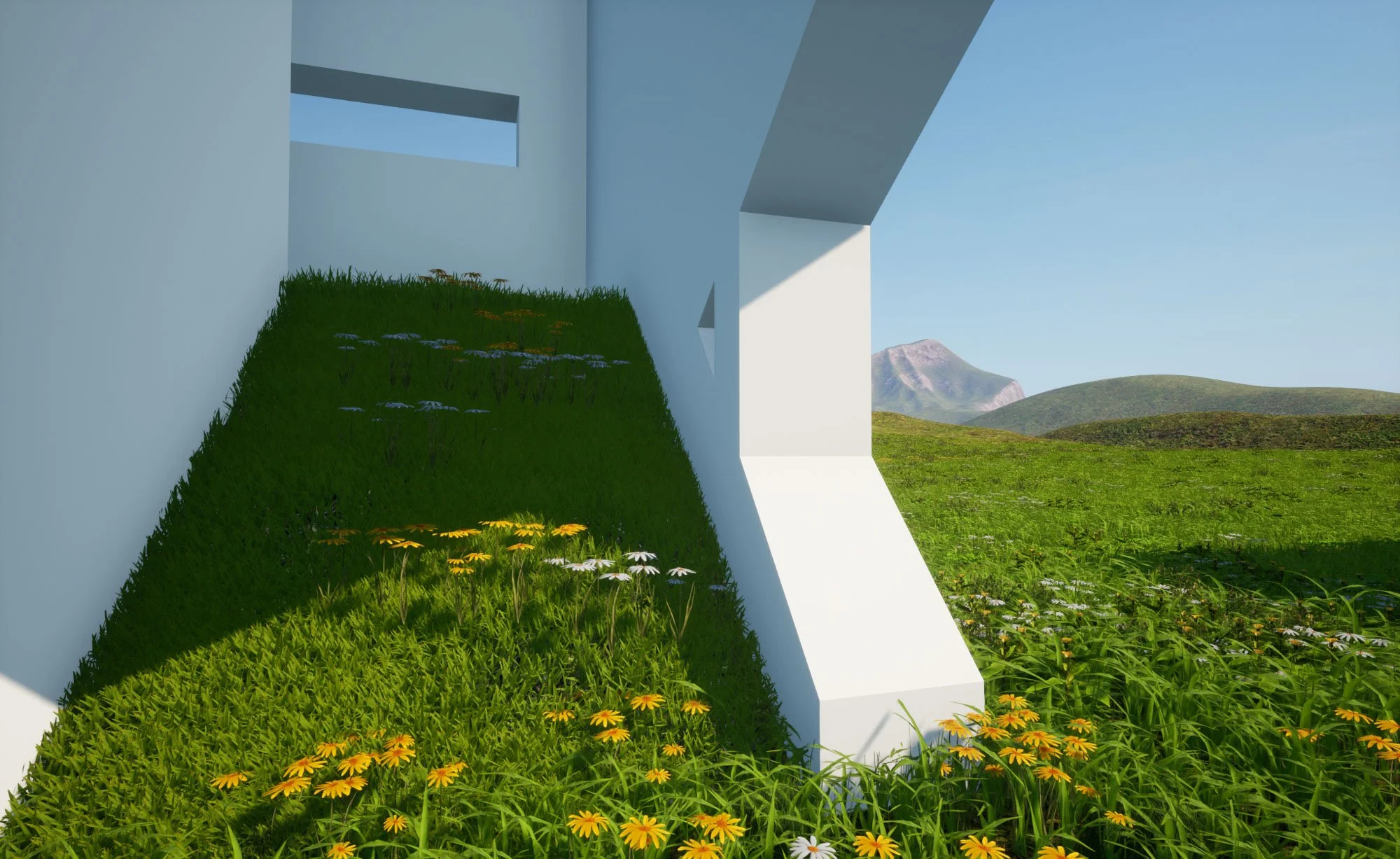
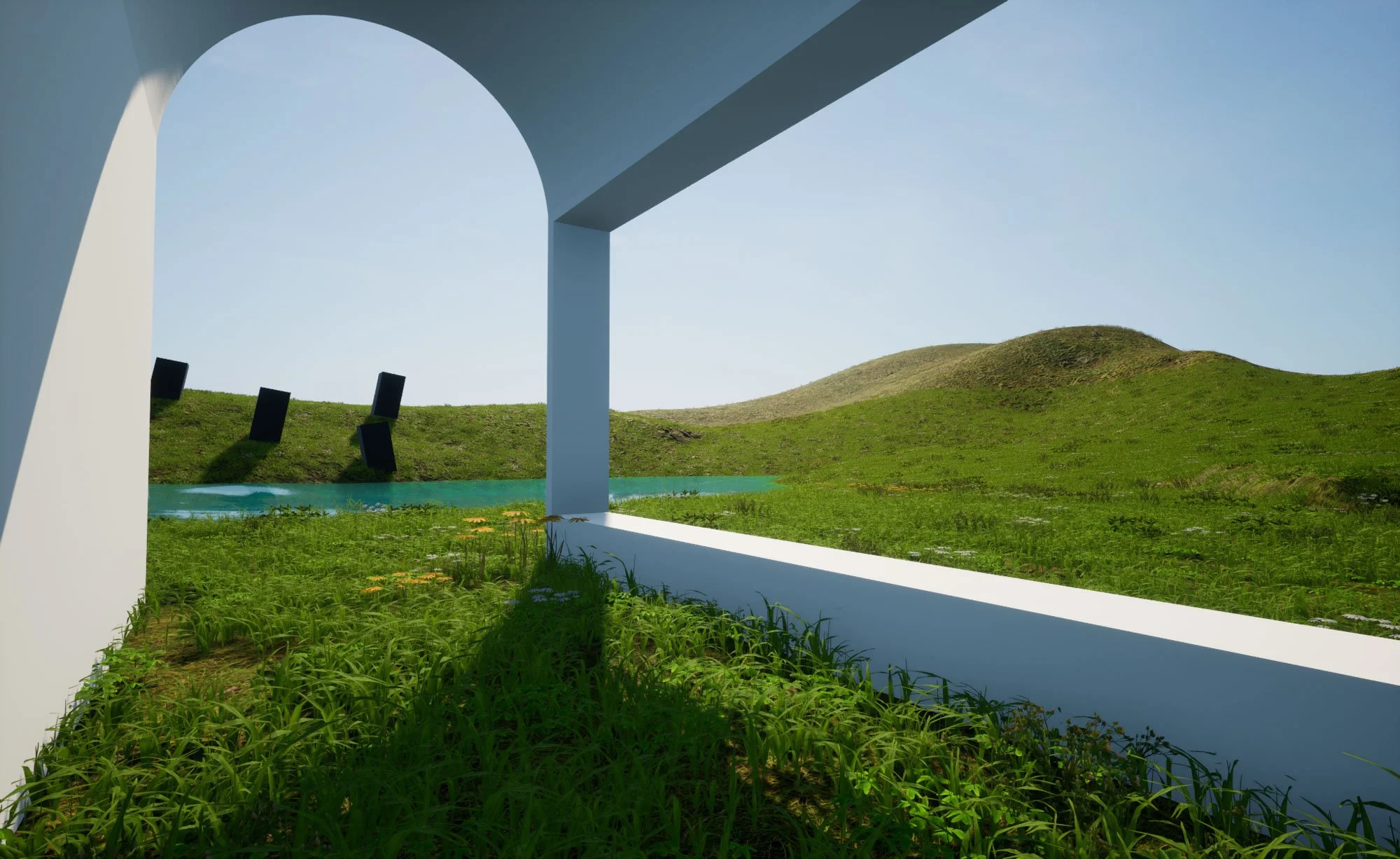
My project takes the form of an escape-room-style interactive game. By rearranging familiar spatial elements and introducing visual dissonance, I aim to prompt players to re-engage with everyday environments they might normally overlook. When what they see no longer aligns with their expectations, a moment of cognitive friction is created, inviting deeper reflection on the nature of space and perception.
Through this work, I hope to encourage players to actively participate in the process of perceiving and imagining, and to reconsider the way we relate to spaces—both digital and real.
In summary, my project explores the dynamic relationship between the virtual world and the physical world. While our understanding of the world we engaged forms the foundation upon which we construct virtual spaces, the digital realm also enables us to reimagine reality—to simulate what cannot be achieved or even conceived in the physical world.
In this sense, the virtual world is not merely a reflection of the physical world, but a medium of possibility. It offers a new lens through which we can observe, question, and reconstruct our everyday perception.