Jun Han
The Time a Building Takes
This thesis treats architectural alignment as a relational ethic. Spaces, bodies, materials, and weather learn one another; sympoiesis is the working method. Care, labour, and maintenance are imperative to sustained attention; they keep attunement active over time. We experiment in alignment rather than enclosure.
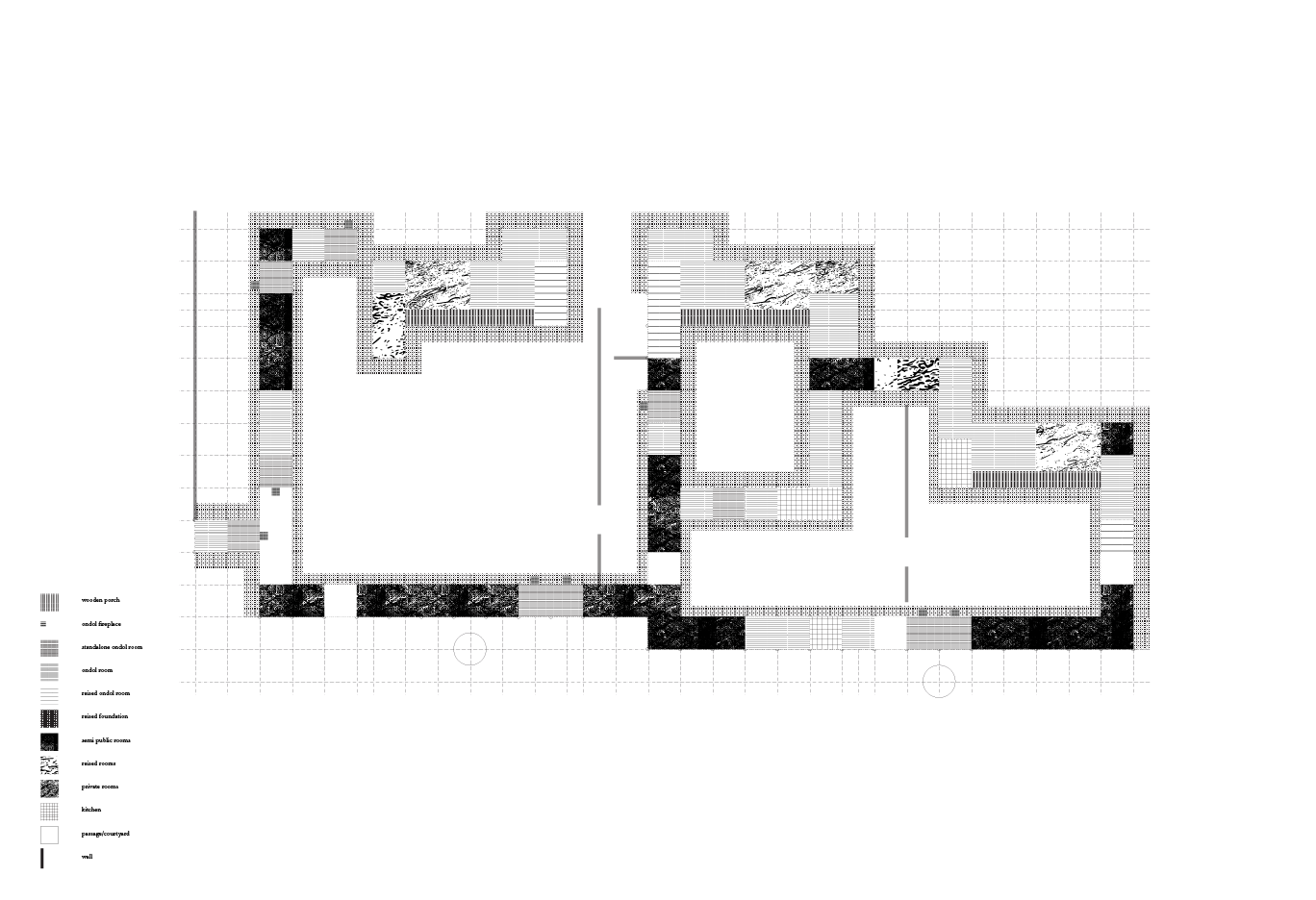
The site is a partner we recalibrate to. Sun and shade, wind and ground dampness, daily use and seasonal drift; alignment begins here and keeps adjusting. Technique is how the concept breathes. As we dig, we build; construction proceeds in phases so the work can listen, correct, and align with what cannot be known at the outset.
Space is composed as a cascade of temperatures that braid microclimate with social life. Interior, semi‑interior, and semi‑exterior rooms exchange air across thresholds; buoyancy moves it: displacement in warm months; gentle mixing in cool ones, with fresh air sized for health and clarity. Flows are readable, so people can tune their own weather; architecture teaches by showing.
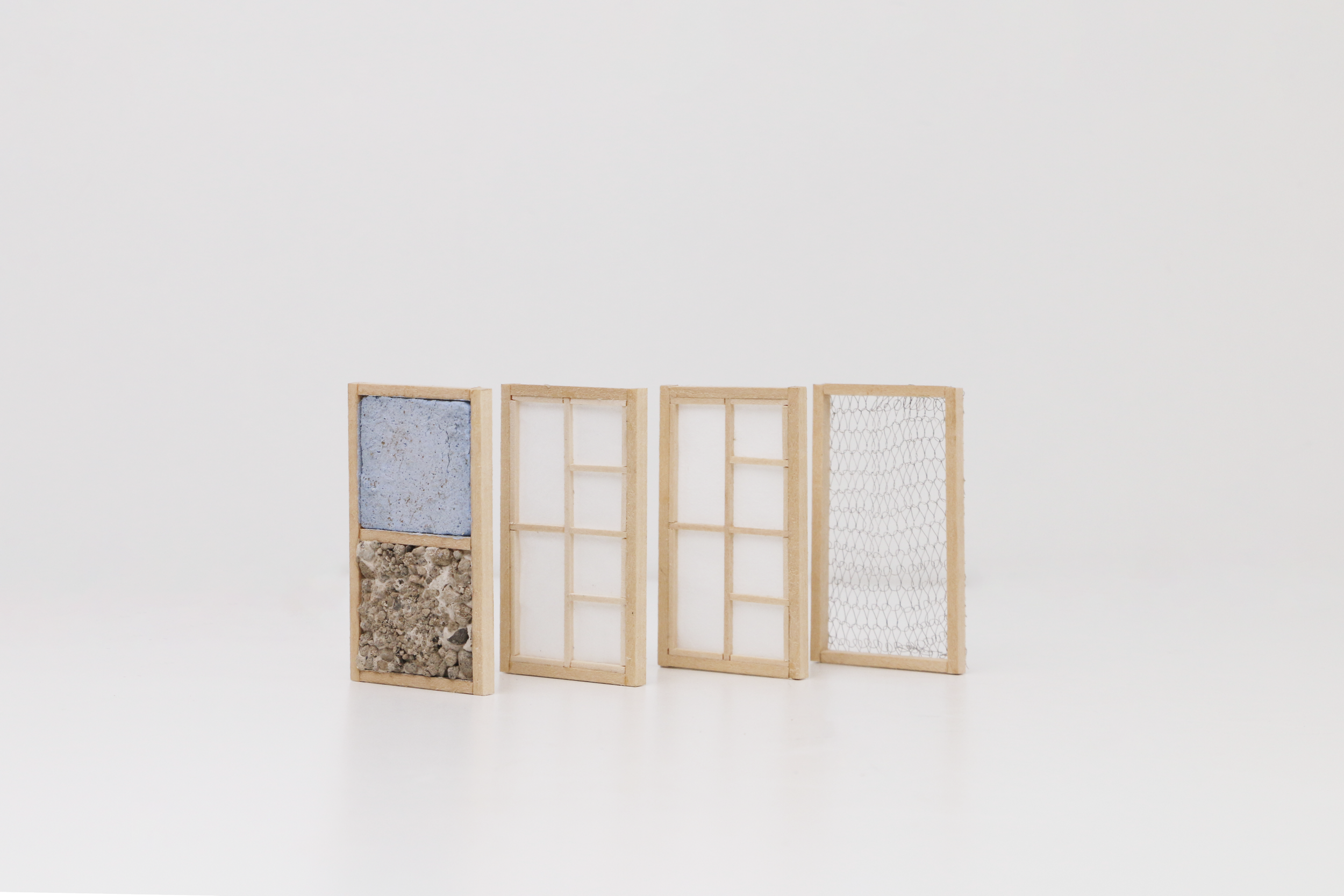
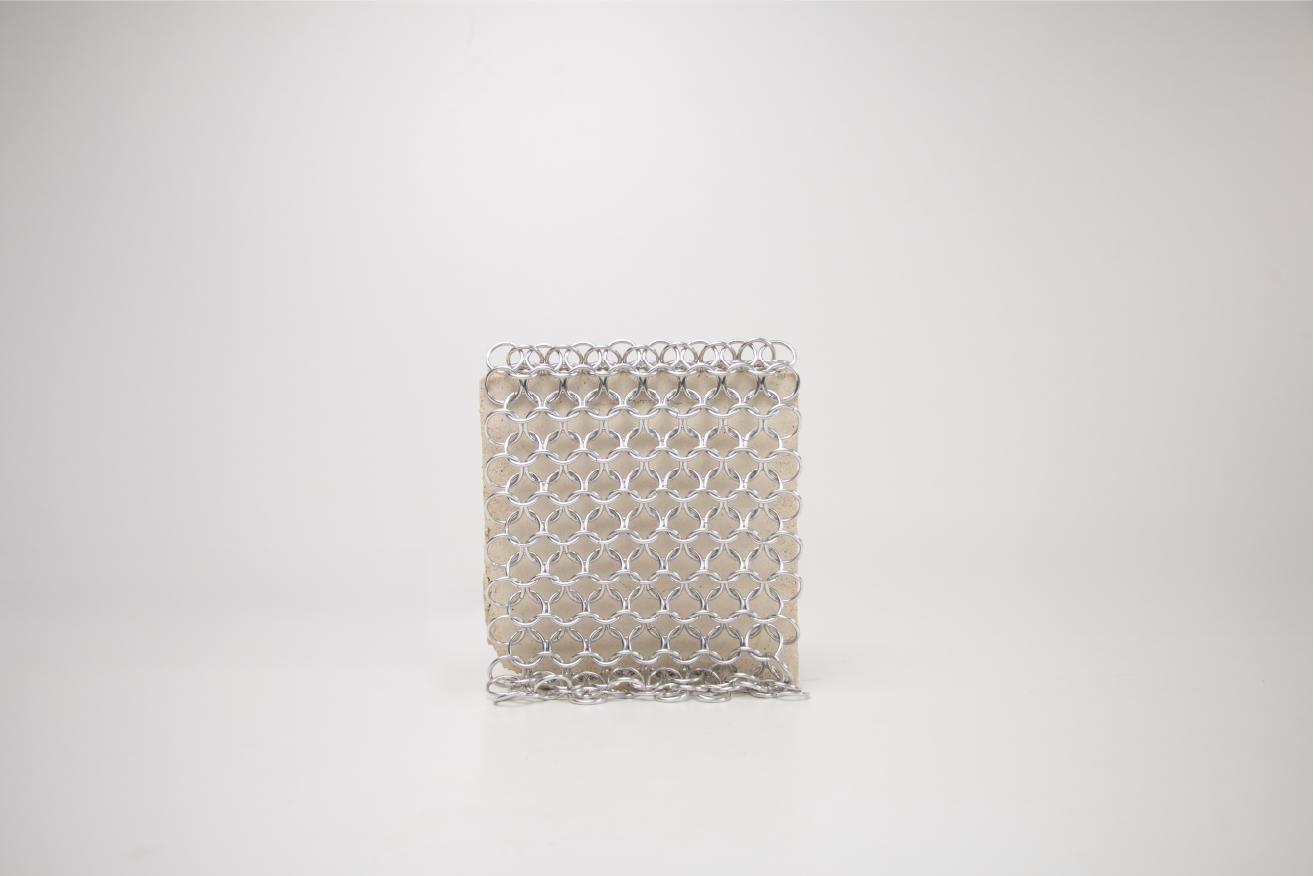
Technique embodies the concept. Detail, joinery, and sequencing are used to cultivate microclimates and habits of use; drawing and mock‑ups are tools for learning together with fabricators and stewards. Details and assemblies are specified for what they can do thermally and socially, how they weather, how they invite upkeep, how they can be repaired in public view.
Because alignment is relational, care is shared. Operations manuals become clear rituals, maintenance becomes pedagogy, and labour is visible, valued, and paced. What emerges is a way of keeping; an ethic of shared literacy around climate, comfort, and care.
Alignment over isolation: every action remains tied to its material, energy, and labour cost. Technology is welcome when it clarifies relationships and remains accountable. Drawings track what drifts—heat, moisture, workload—because the quarry, the weather, and the work remain partners for the full time a building takes.