Jonathan Guirguis
Discrete Embodiment: Cybernetic Interventions Against Surveillance
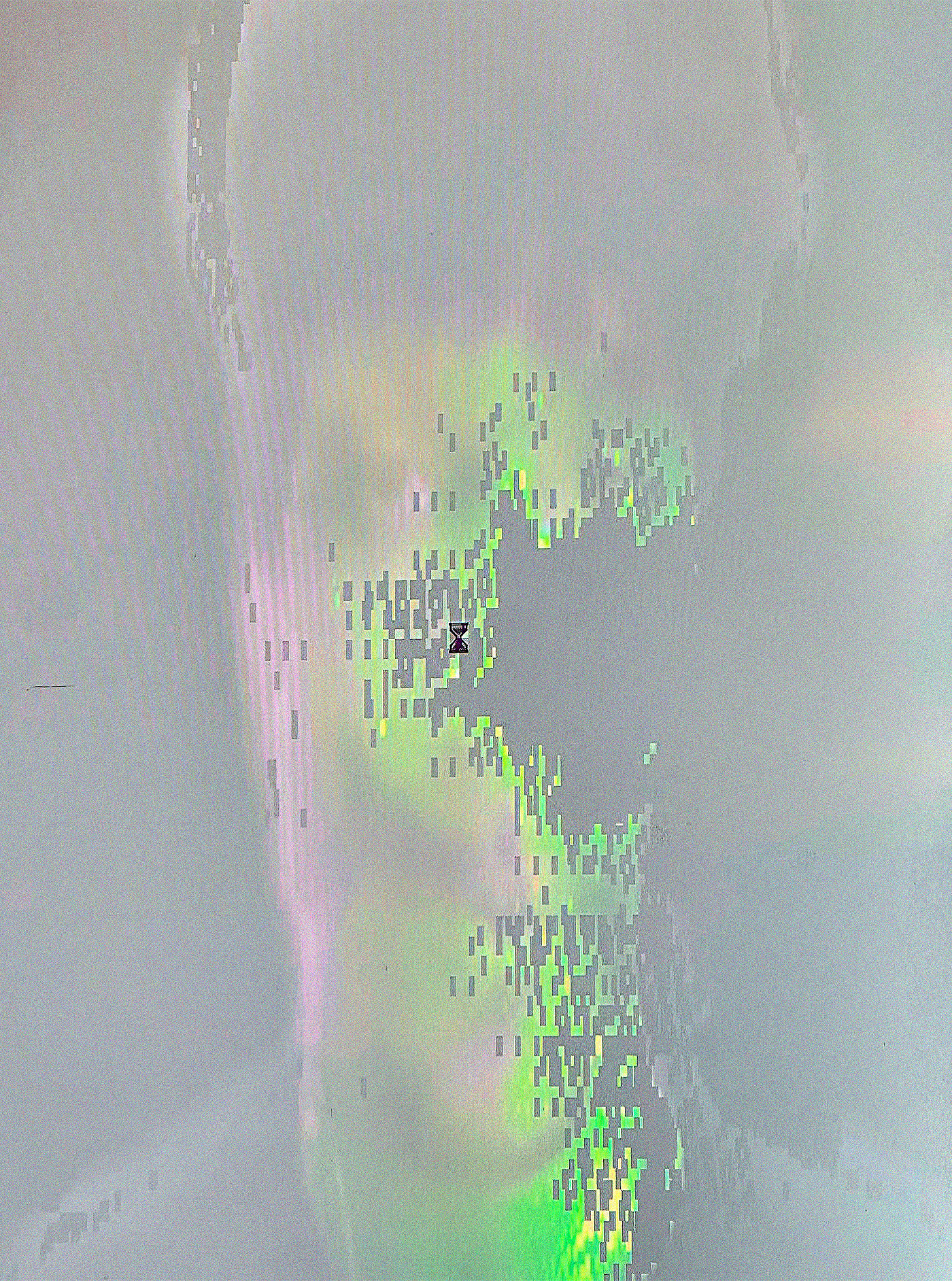
In an era of rigid built environments and pervasive surveillance, "Discrete Embodiment" confronts the oppressive control embedded in modern architecture by introducing cybernetic layers that disrupt human-machine dynamics. Drawing from Gordon Pask's conversational theory and technologies like AI and IoT, this thesis reimagines architecture as adaptive ecosystems challenged by feedback loops, rather than static structures. By hacking into surveillance networks—repurposing cameras to create intentional "glitches" and delays in feedback—the project subverts controlled societies, reframing anomalies like unexpected crowd movements as acts of resistance and calls for decentralized innovation. This challenges corporate tech monopolies, empowering architects and designers to prototype spaces that resist monitoring, such as adaptive public or retail environments that prioritize user autonomy over corporate oversight, echoing the decentralized spirit of historical markets.
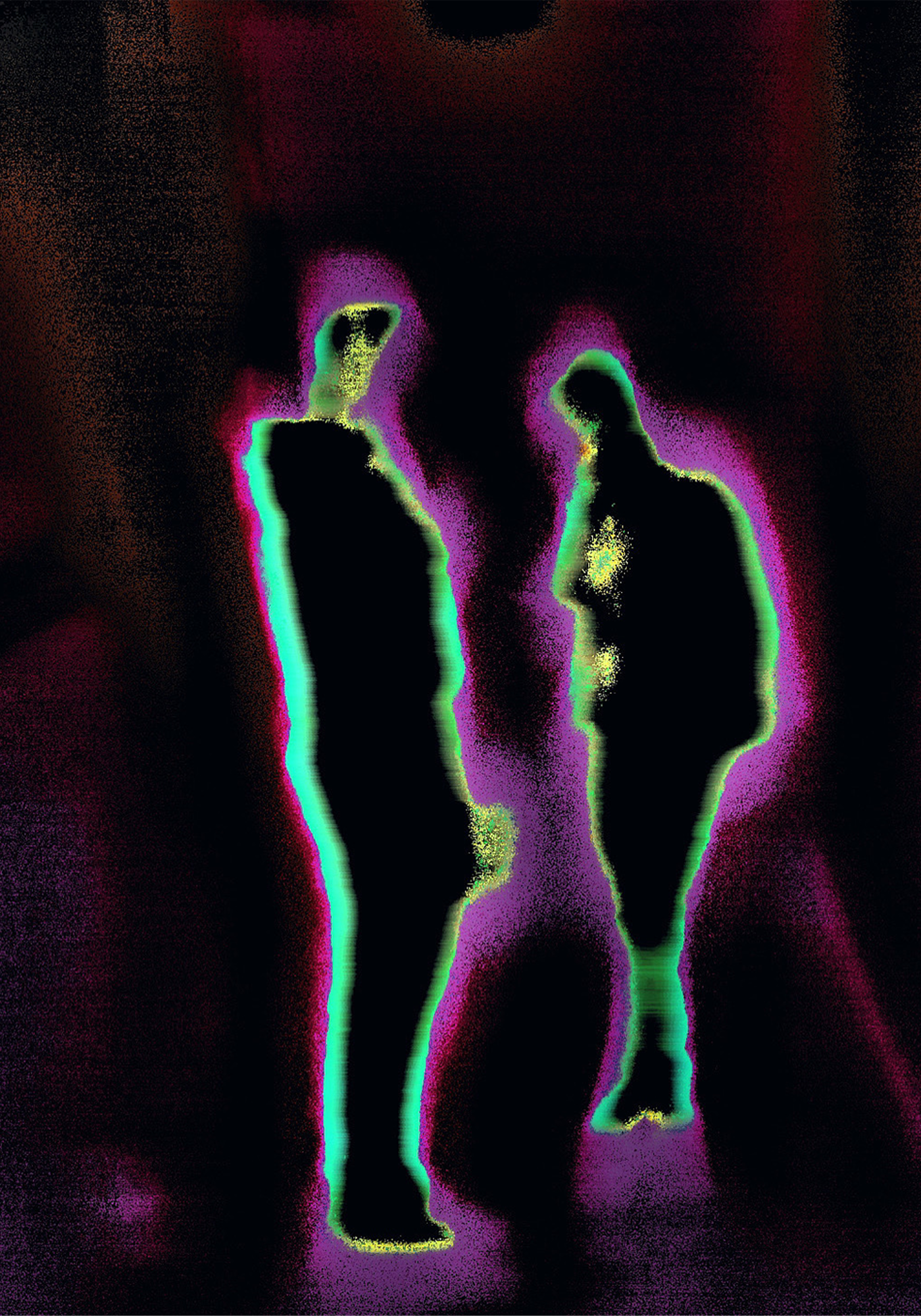
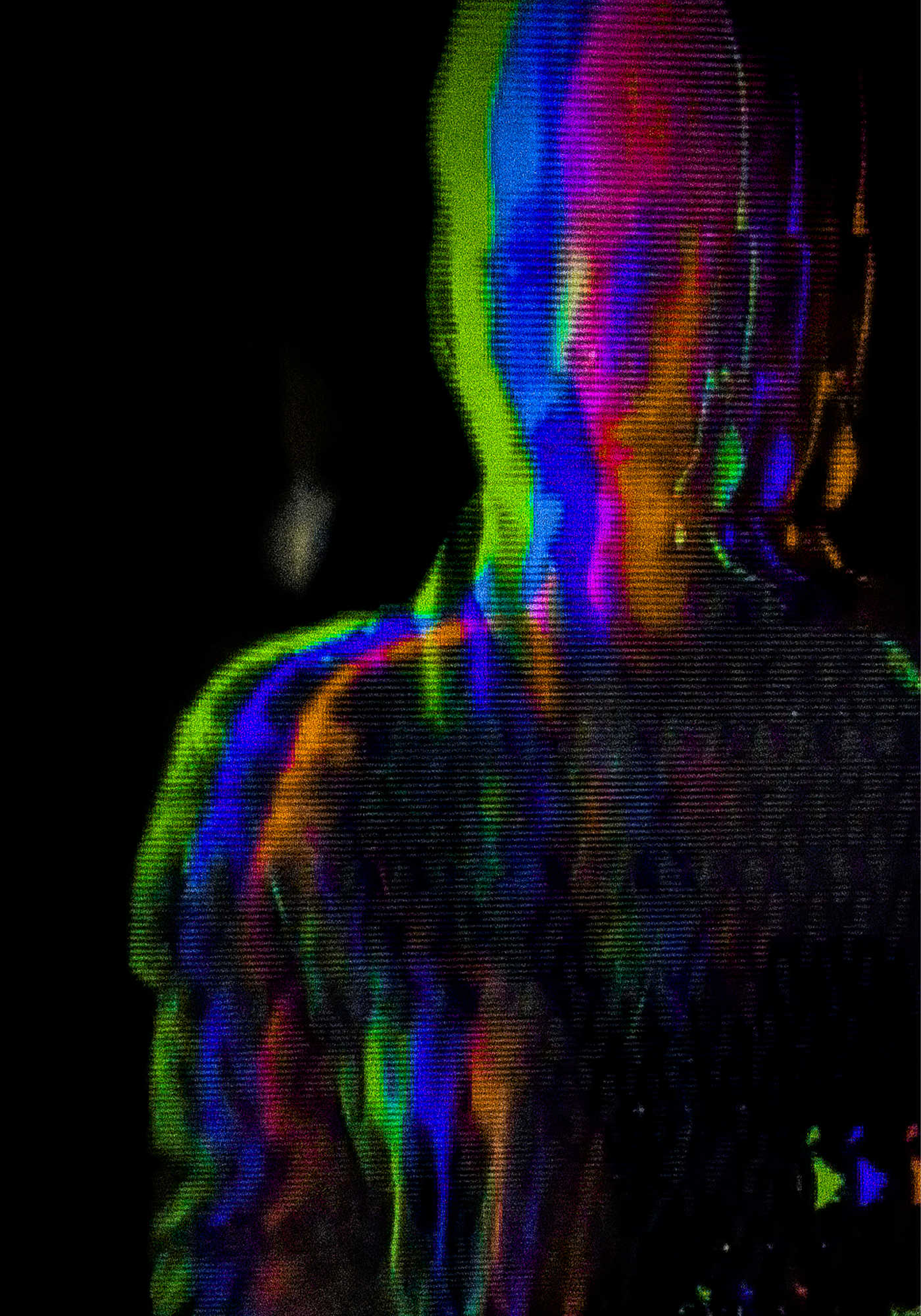
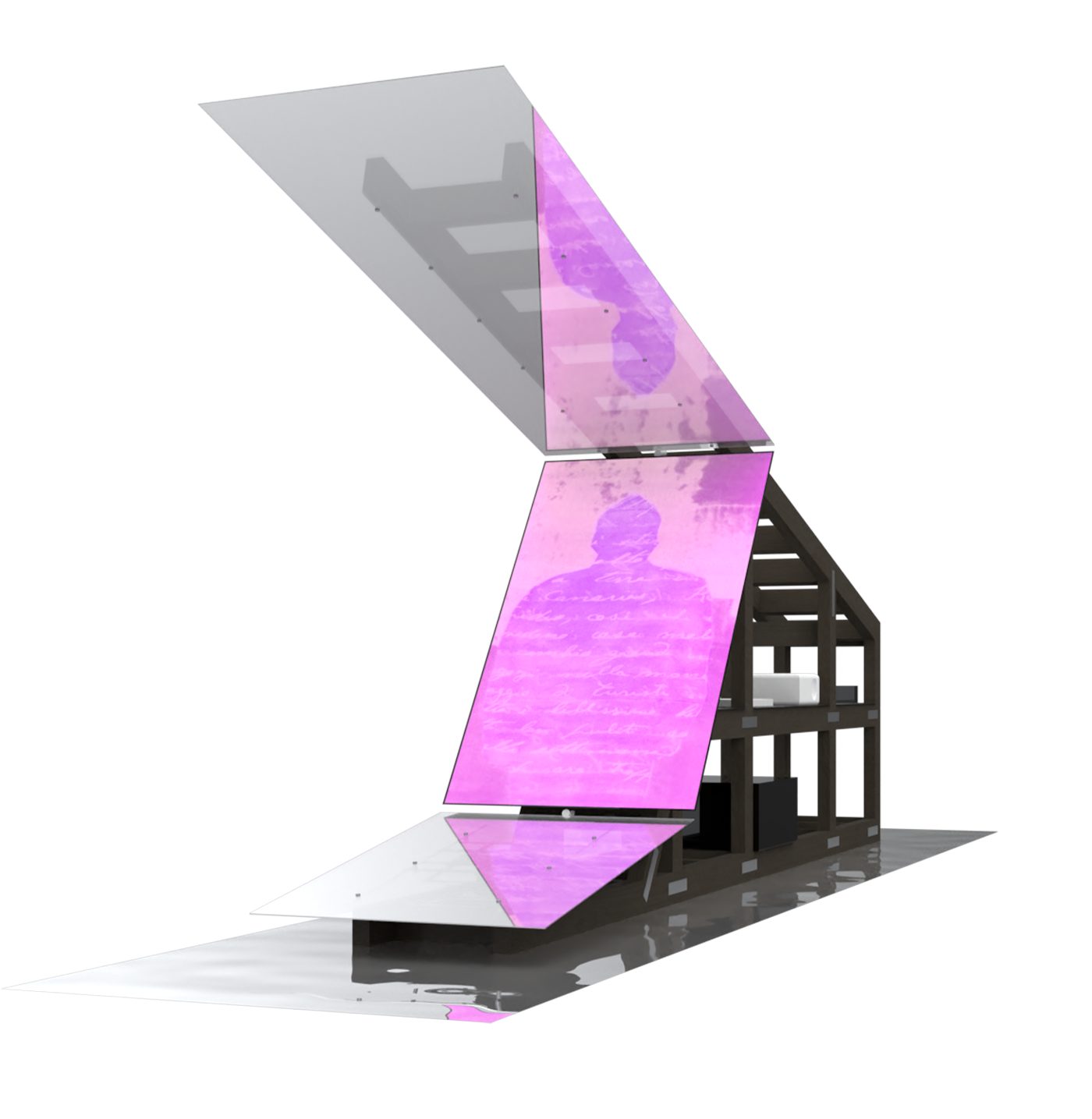
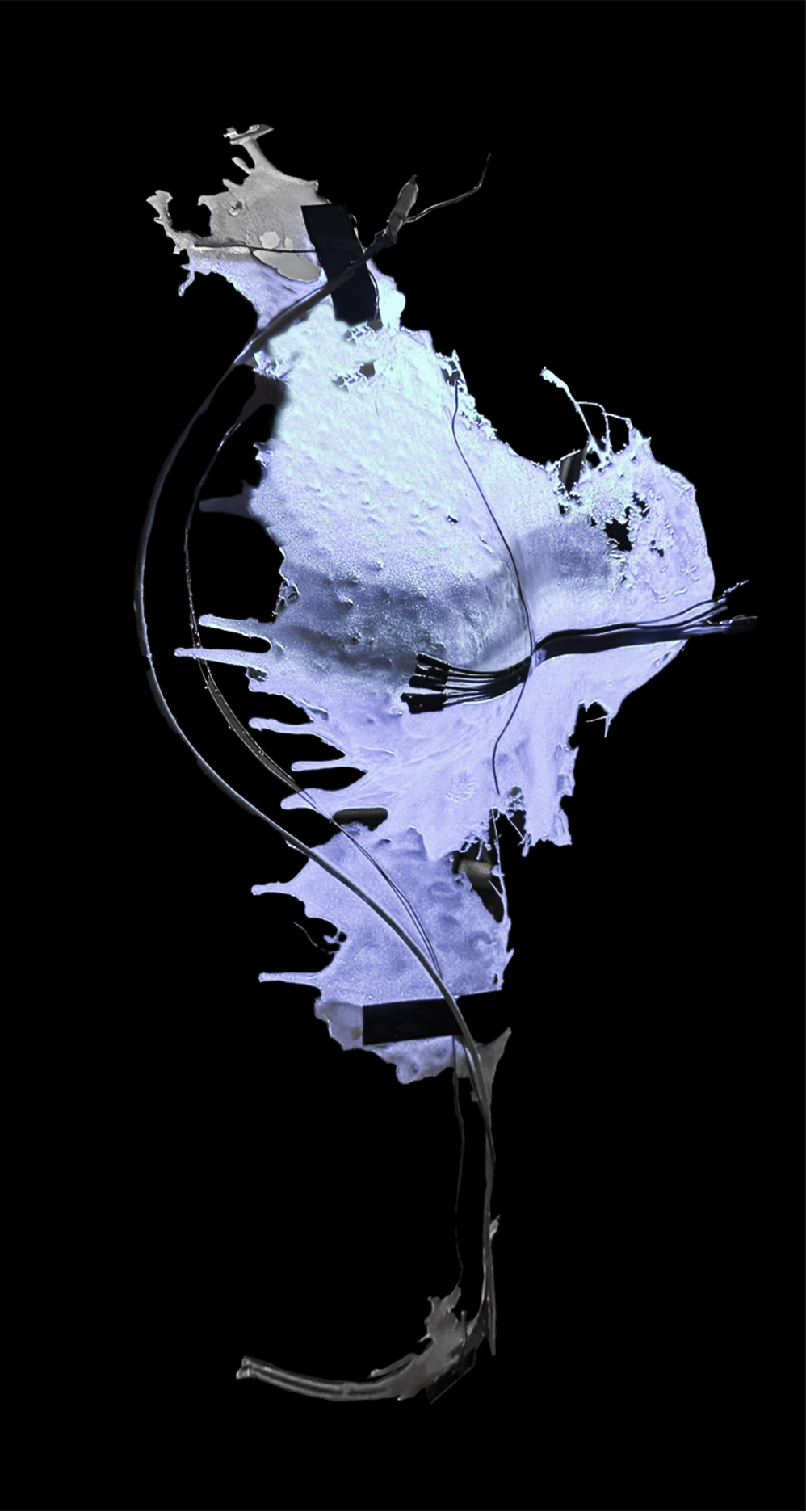
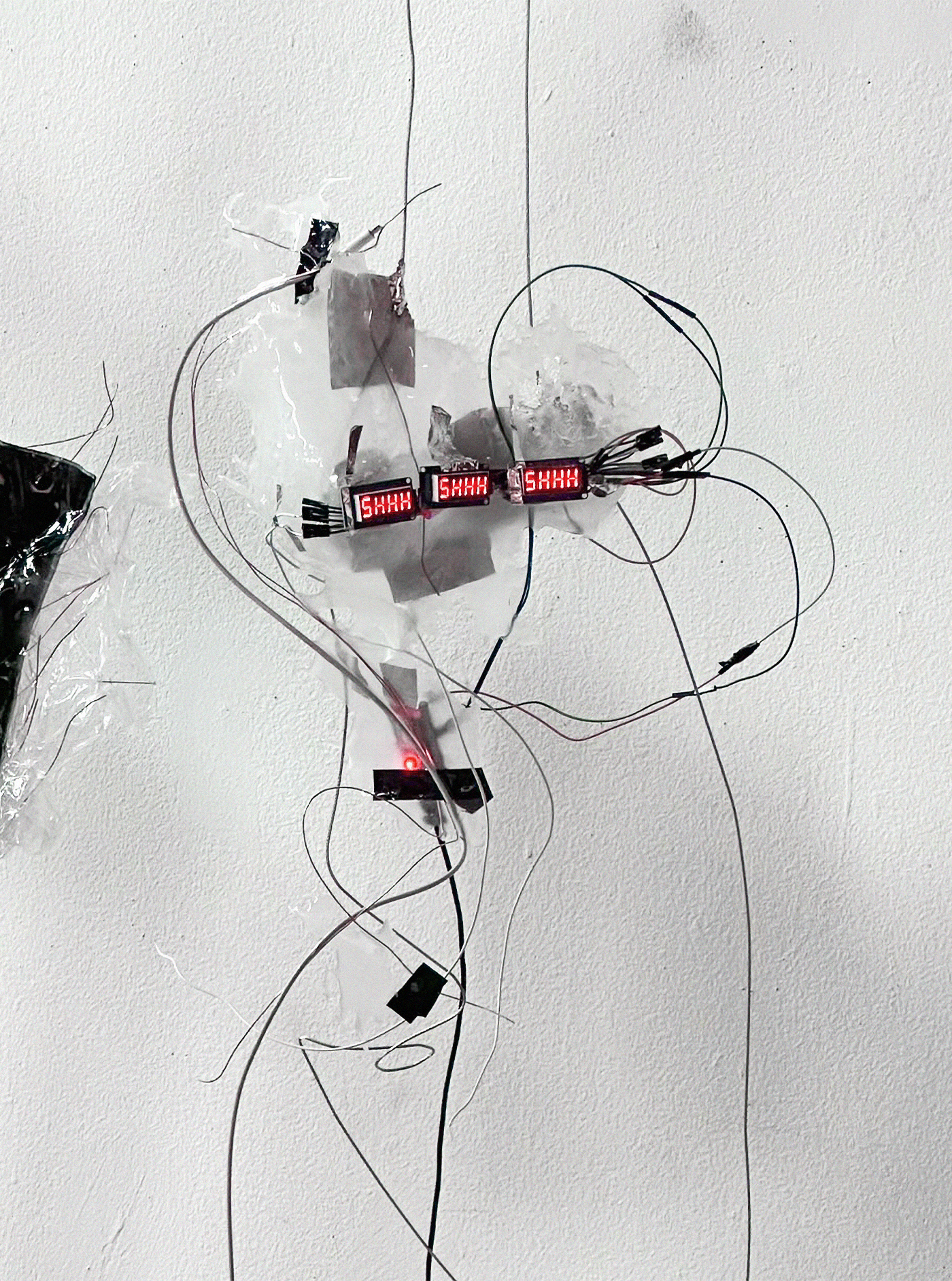
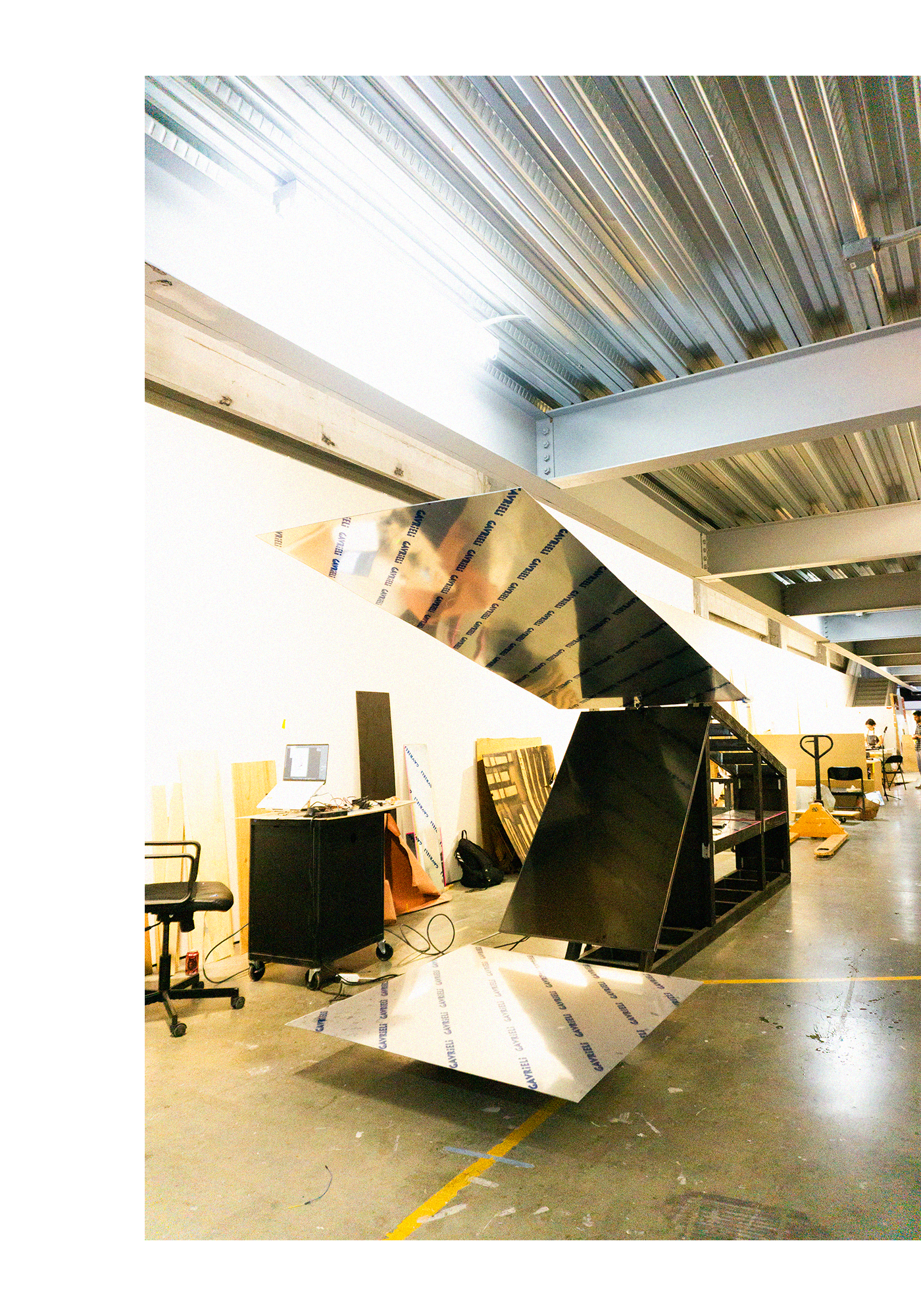
Physically, the project emerges as an immersive installation: a large wooden scaffold with an angled interactive screen flanked by acrylic mirrors, casting distorted reflections under a surveilled gaze. Paired with four wearable tech outfits from my Silent Simon brand—mostly upcycled and embedded with sensors and electronics for real-time data exchange. The screen uses computer vision and sensors to generate deepfake face swaps and silhouetted projections of the tracked audience and fashion models, exposing surveillance’s invasive reach while blurring performer-audience roles. Participants’ movements trigger shifts, turning observation into a defiant co-creation.
Inspired by the culture of street fashion and artists such as Nam June Paik and Dan Graham, who critiqued surveillance through media art feedback loops, and looking at Rem Koolhaas’s societal analyses; the work fuses art, fashion, and architecture. At SCI-Arc, as part of the first AI-driven graduating class, "Discrete Embodiment" leverages emerging technologies such as AI and IoT to challenge surveillance paradigms, envisioning spaces that evolve with inhabitants, rejecting control, and democratizing tech resistance.