Jinyun Kim
Fugitive Territory
In today’s hyper-connected digital infrastructure, surveillance and control systems—strengthened as they fade from sight—face growing public concern. Corporate AI data collection, second-by-second monitoring, and algorithmically defined identities confine us in increasingly isolated boxes. This intersects with the recent rise of national isolationism, exposing the tension between invisible connections and physical disconnection. Bound by dense agreements and regulations across telecommunications, resource networks, and territorial jurisdictions, any pursuit of “independence” inevitably clashes with the existing order, often requiring its bypass or disruption. This project explores the paradox in which separation from systems generates more complex dependencies, examining the unstable balance between signal and noise, visibility and concealment, autonomy and traceability.
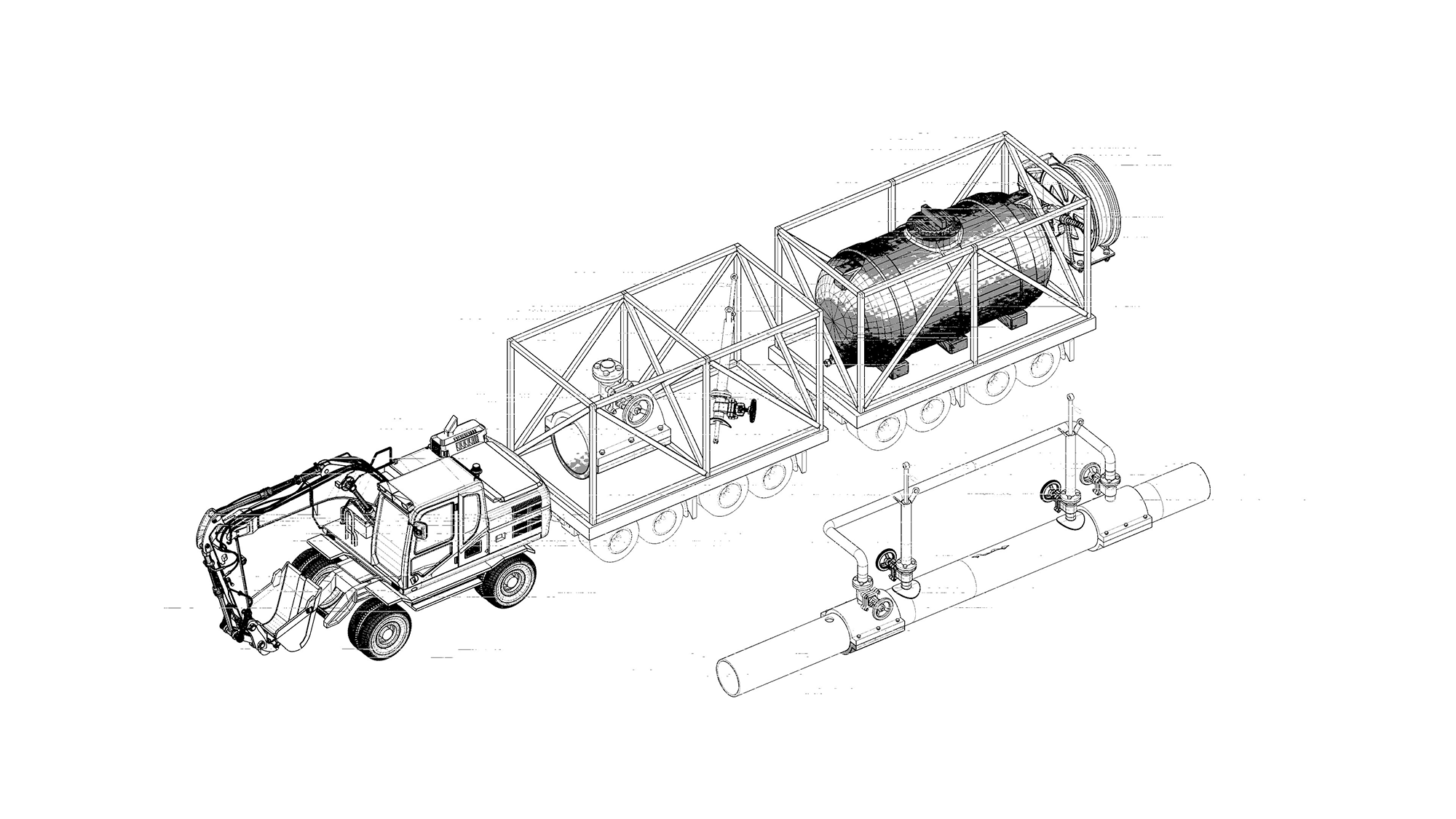
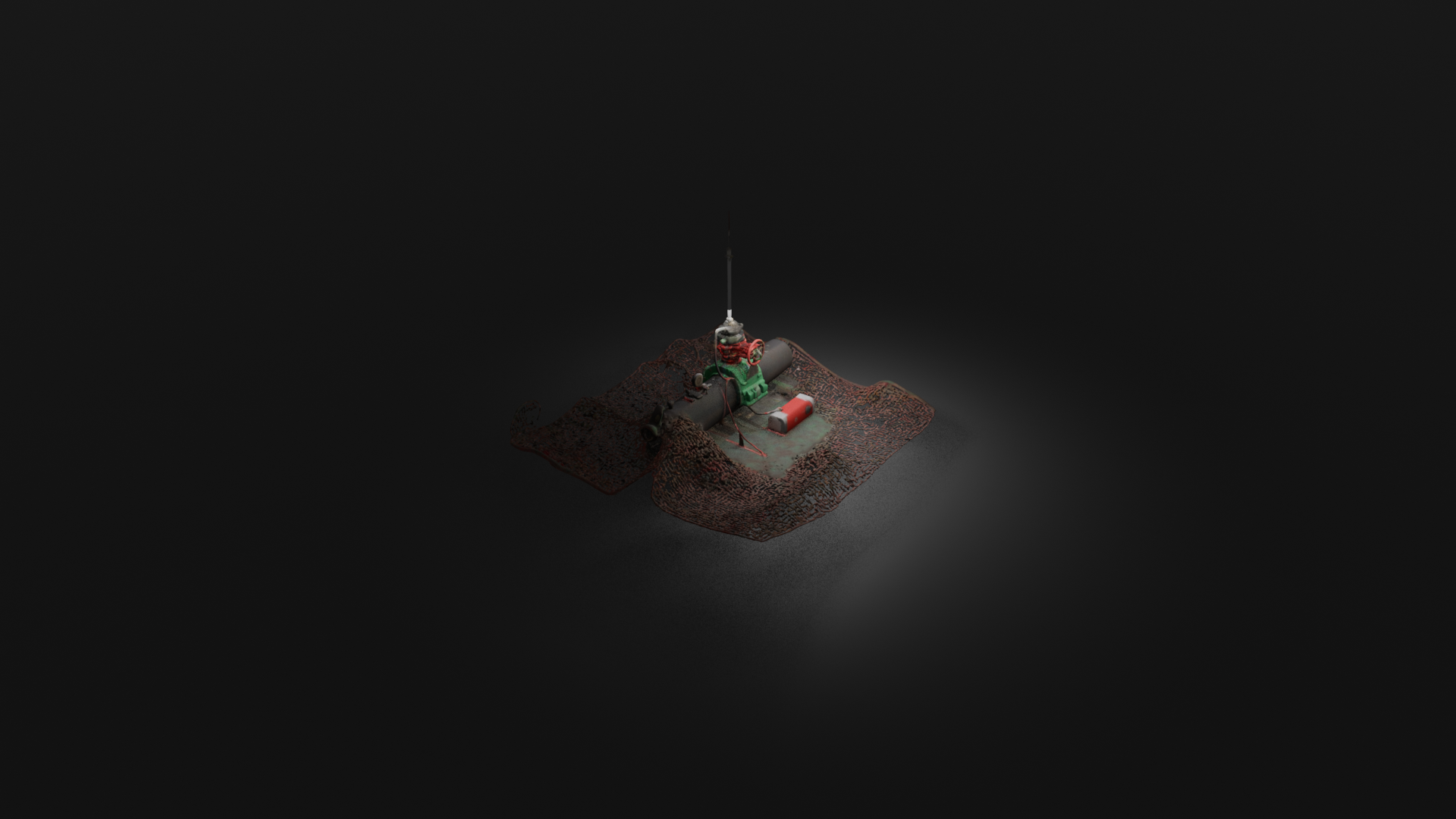
Referencing the concept of a micronation, this project proposes a fictional, self-sufficient, and mobile architectural entity designed to evade control networks while sustaining its own systems for communication, resources, and environmental adaptation. It operates an independent intranet bubble, employs clandestine water acquisition devices, and integrates a thermally camouflaging façade powered by its own cooling processes. Yet, survival increasingly depends on hacking, hijacking, and repurposing existing infrastructure. As its size and population grow, strategies for independence become heavier, more conspicuous, and paradoxically more reliant on the very systems it seeks to avoid. The project positions architecture as both a vessel of resistance and an inevitable mediator of connection, revealing the precarious threshold between autonomy and entanglement.