Geng Chen
Artificial Divinity
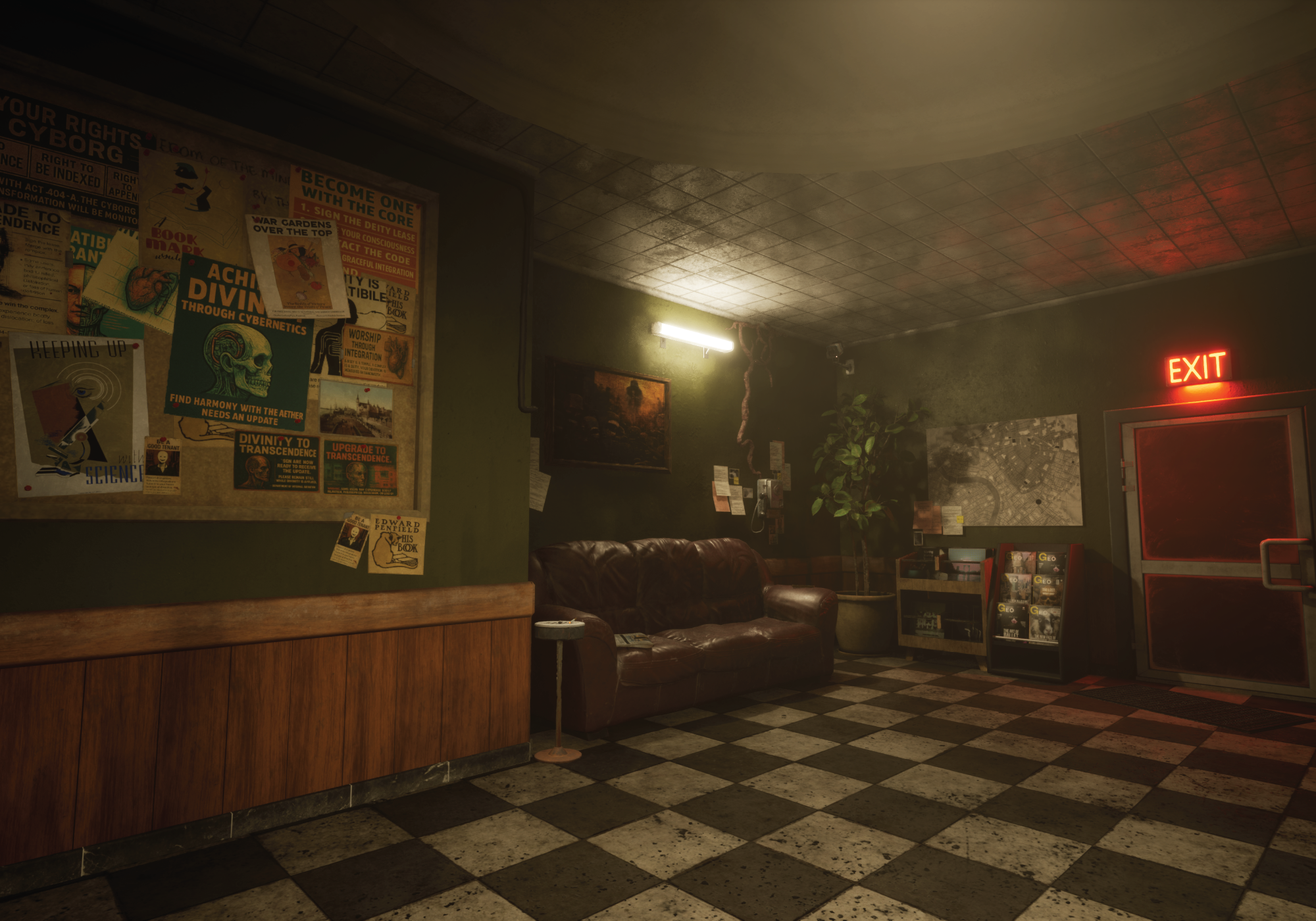
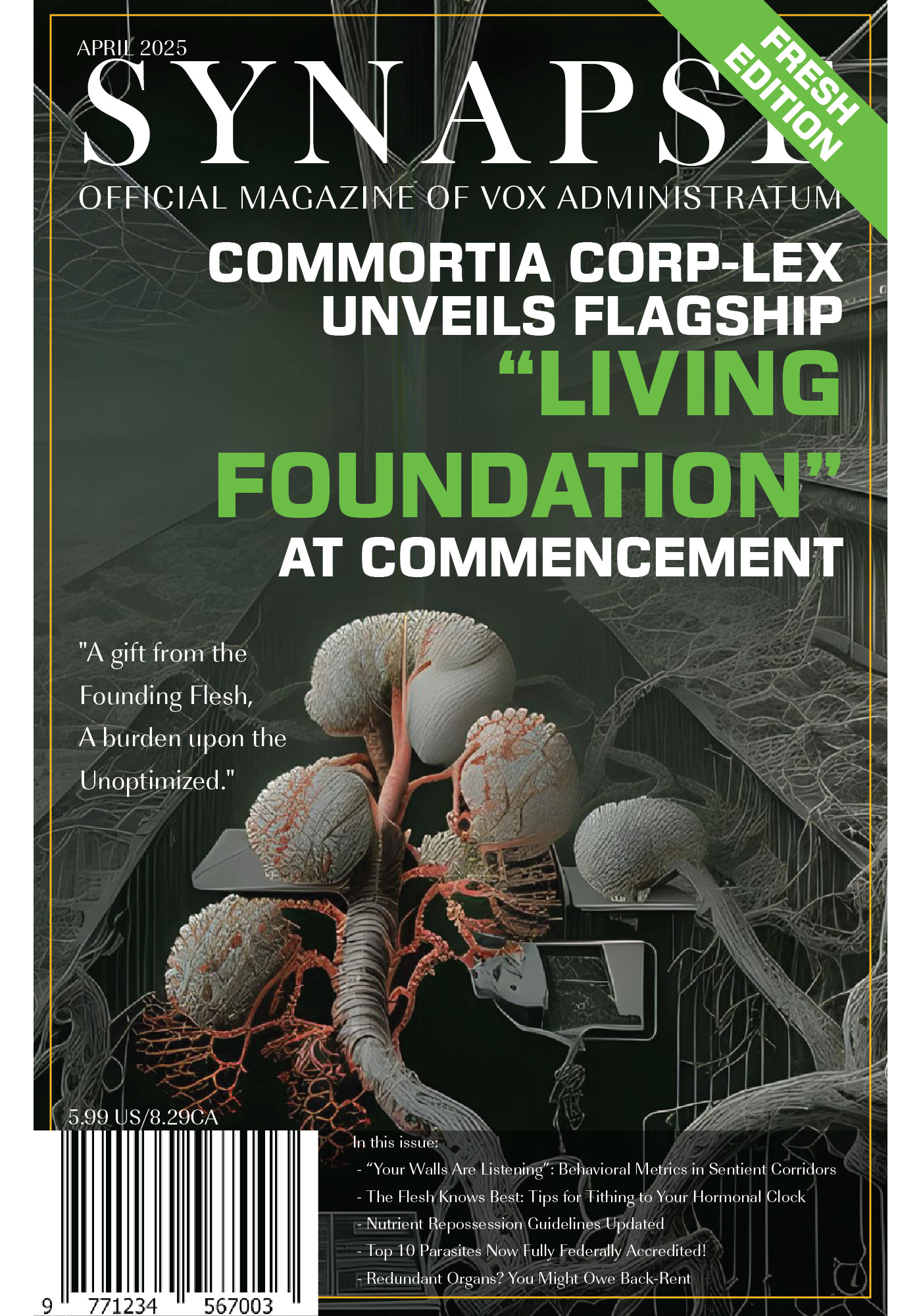
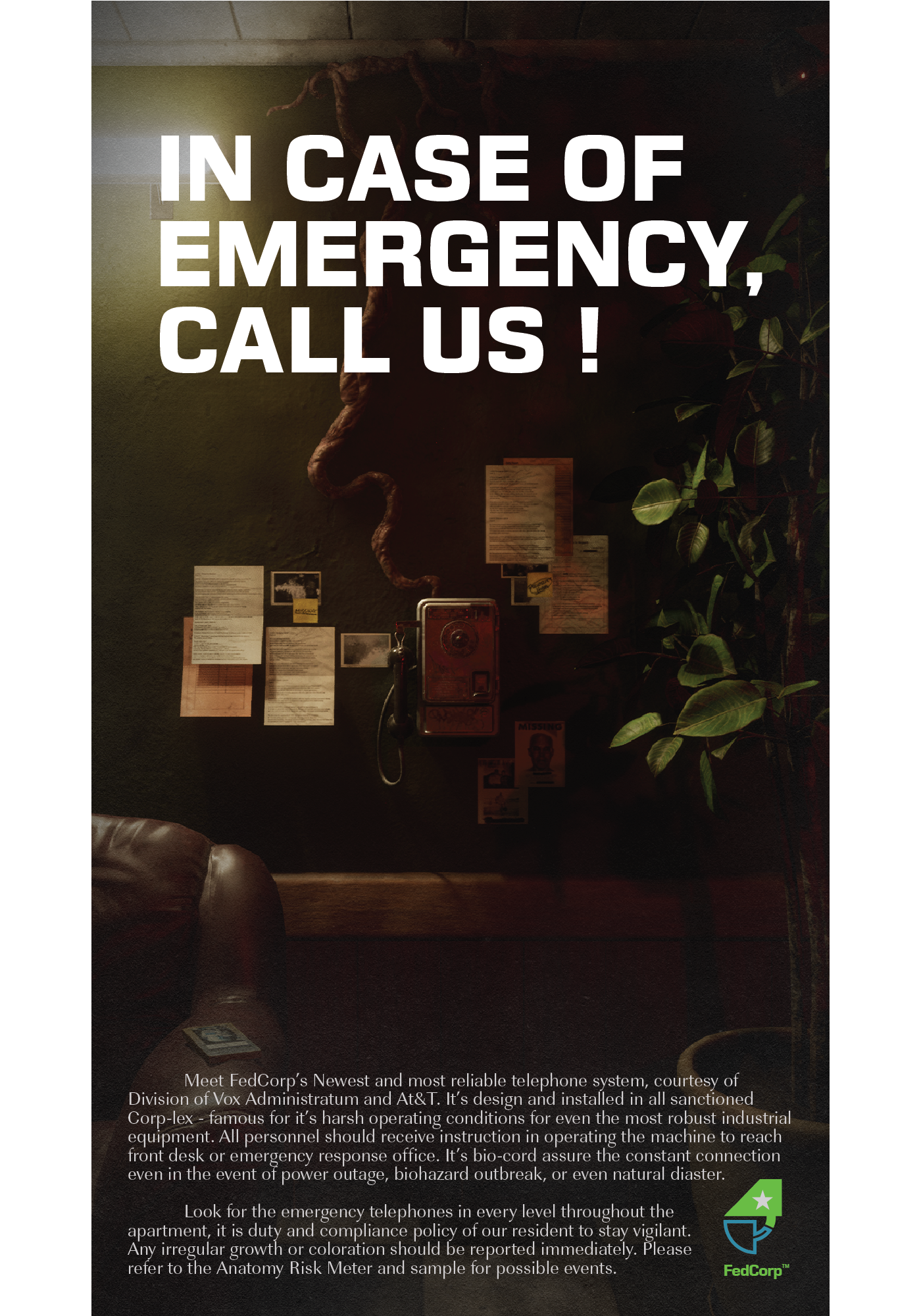
In A Cyborg Manifesto, Donna Haraway imagines a world where the boundary between human and machine dissolves entirely. In my project, that dissolution is not heralded by war or rebellion, but by lease agreements, maintenance tickets, and routine wellness audits. The body is no longer sovereign—it is a tenancy, sublet to a network of devices, sensors, and organic infrastructure. A person might own their heartbeat, but the building owns its rhythm.
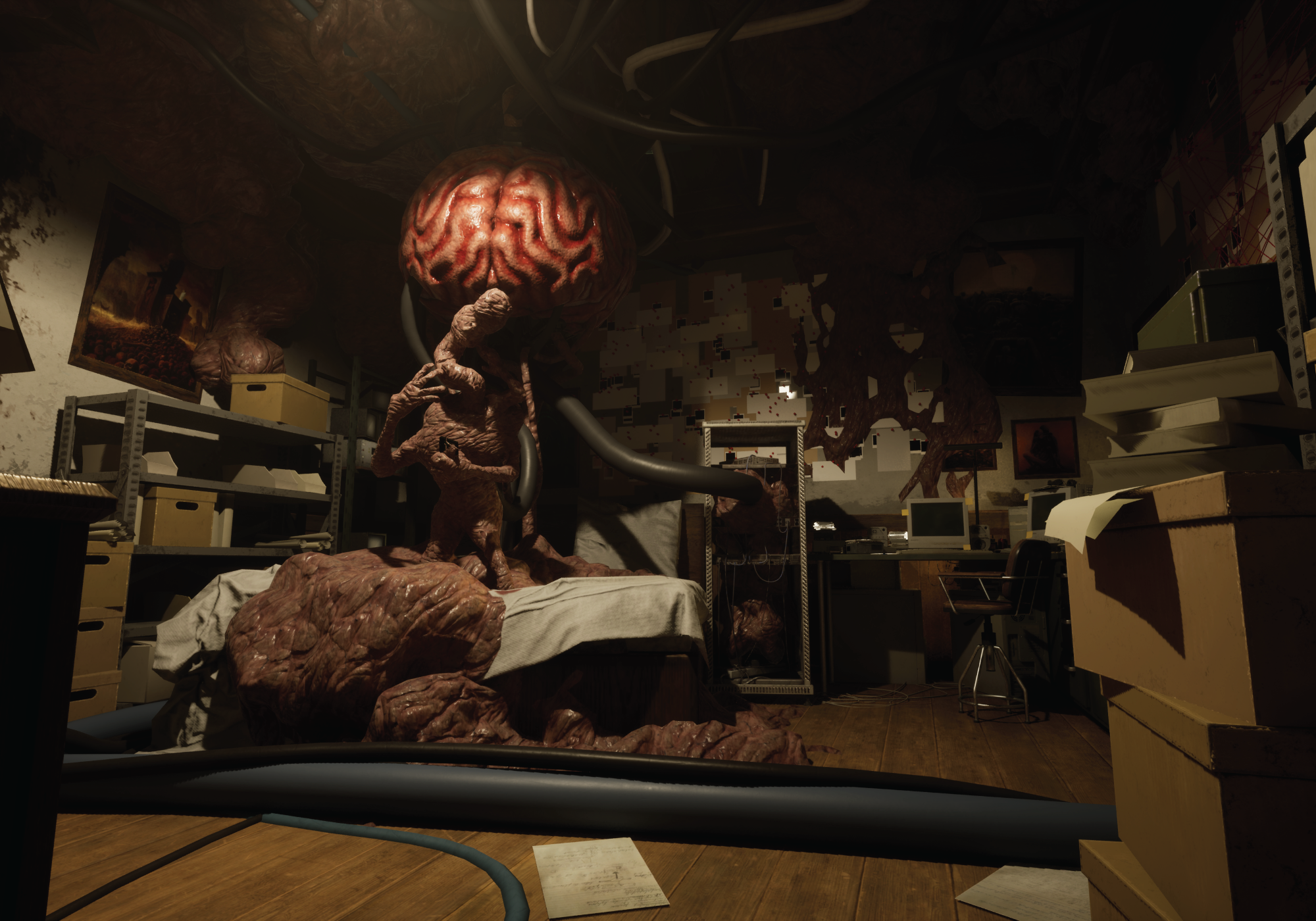
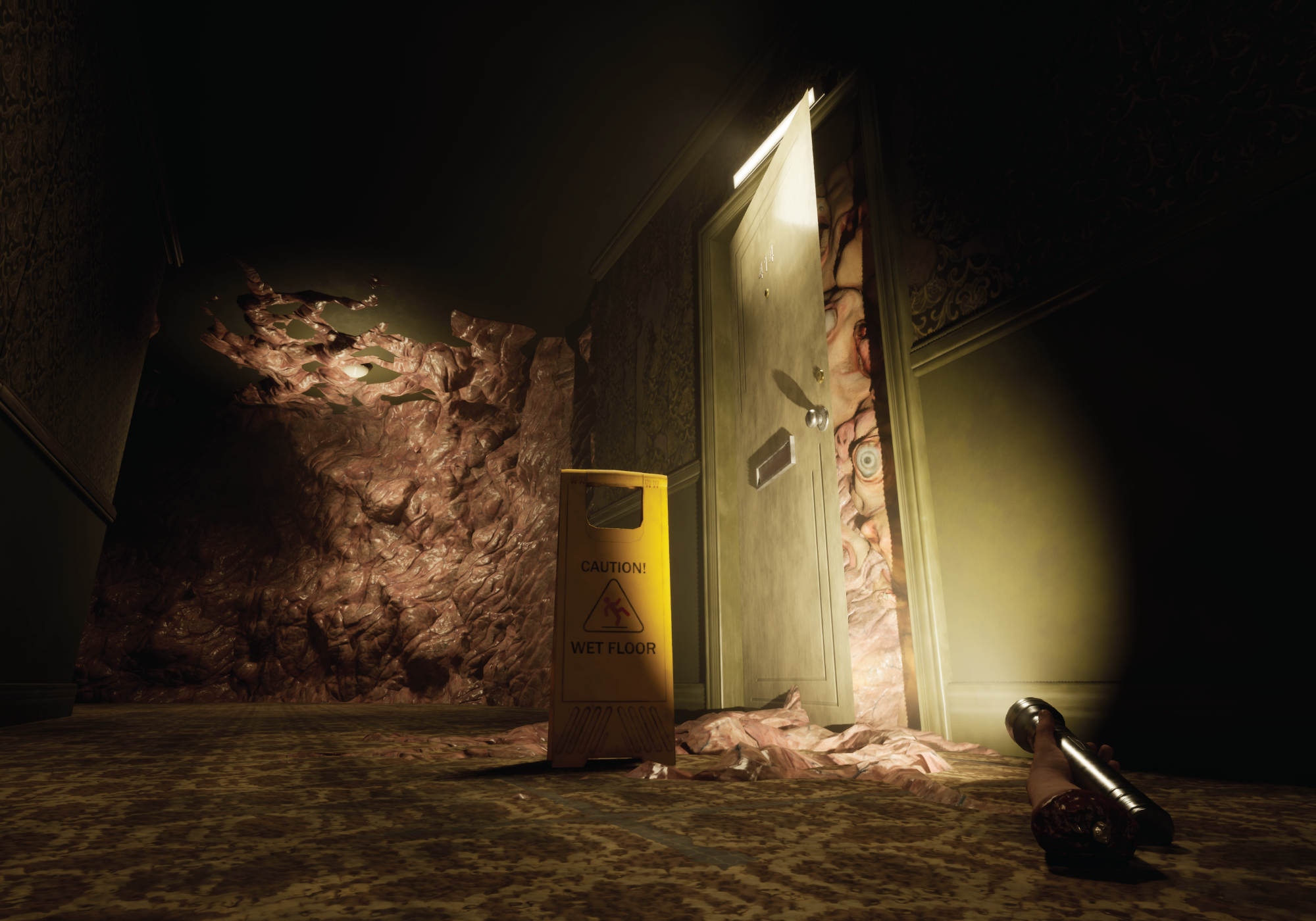
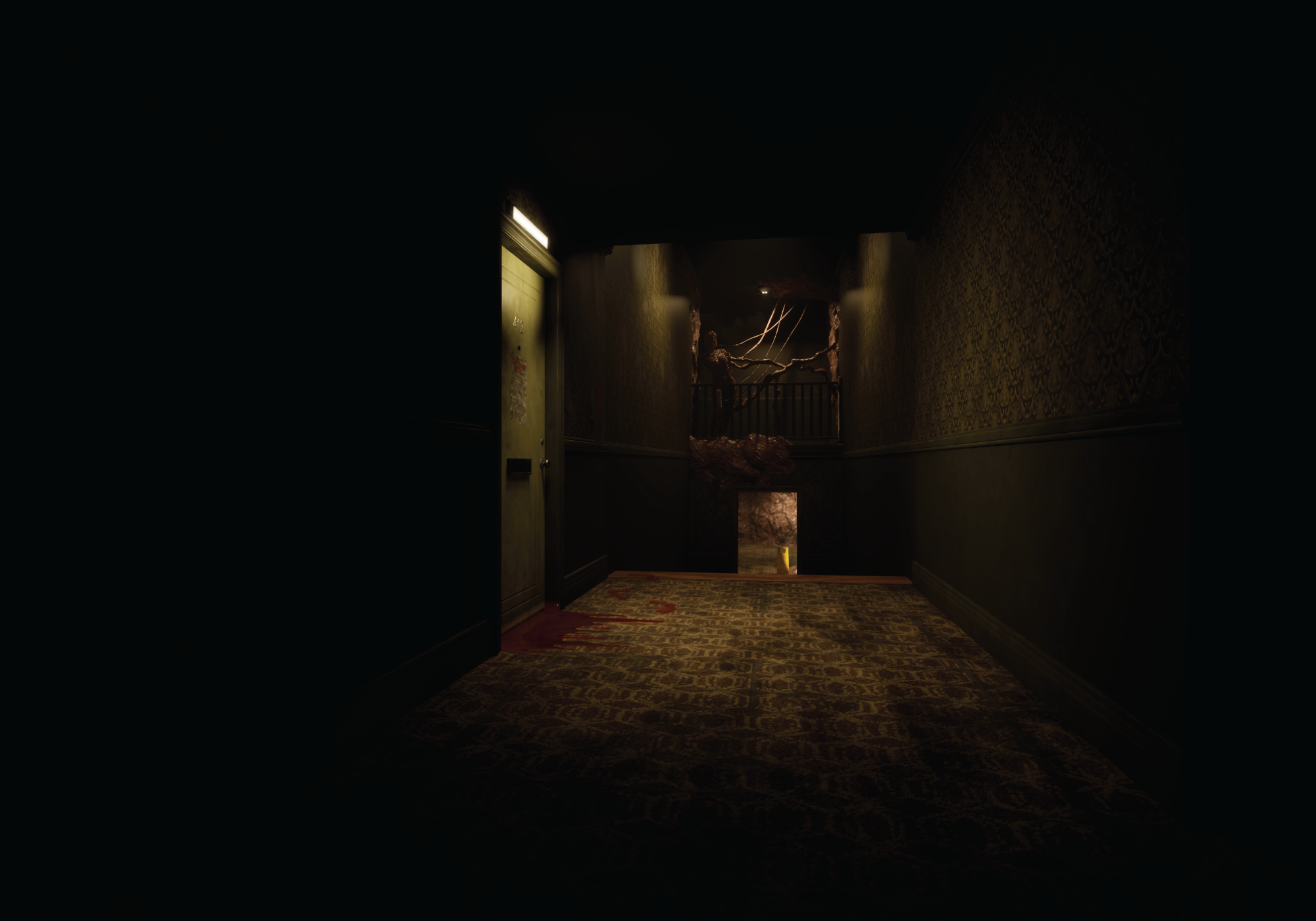
We have already begun this merger: our eyes scroll through glass screens, our hands navigate synthetic haptics, our memories cache themselves in clouds. But in a structure that breathes, where vents whisper and walls remember, this intimacy is more than metaphor. Here, the human form is extended, split, and reassembled into a shared organism of tenants, circuits, and flesh-based architecture. The cyborg inhabits two overlapping channels of reality—human sensation and electronic signal—where every hallway, like every limb, is a nerve.
This is not a sanitized Utopian technocracy, nor a grim dystopian warning. It is a satire of the present, played out in the mismatch between post-human ambition and the bureaucratic banality that governs it. The sanctity we once attributed to memory, morality, or the soul is outsourced, securitized, and serviced under contract. The question is no longer what we are, but who owns the lease on our out-of-body existence.
We are cyborgs of convenience, post-human by accident—yet evolved nonetheless. The result is a tangle of absurd negotiations, exploitative service models, and occasional transcendence. In this arrangement, transcendence does not arrive as liberation but as a building-wide systems update.