Gabriella Pena
In Plain
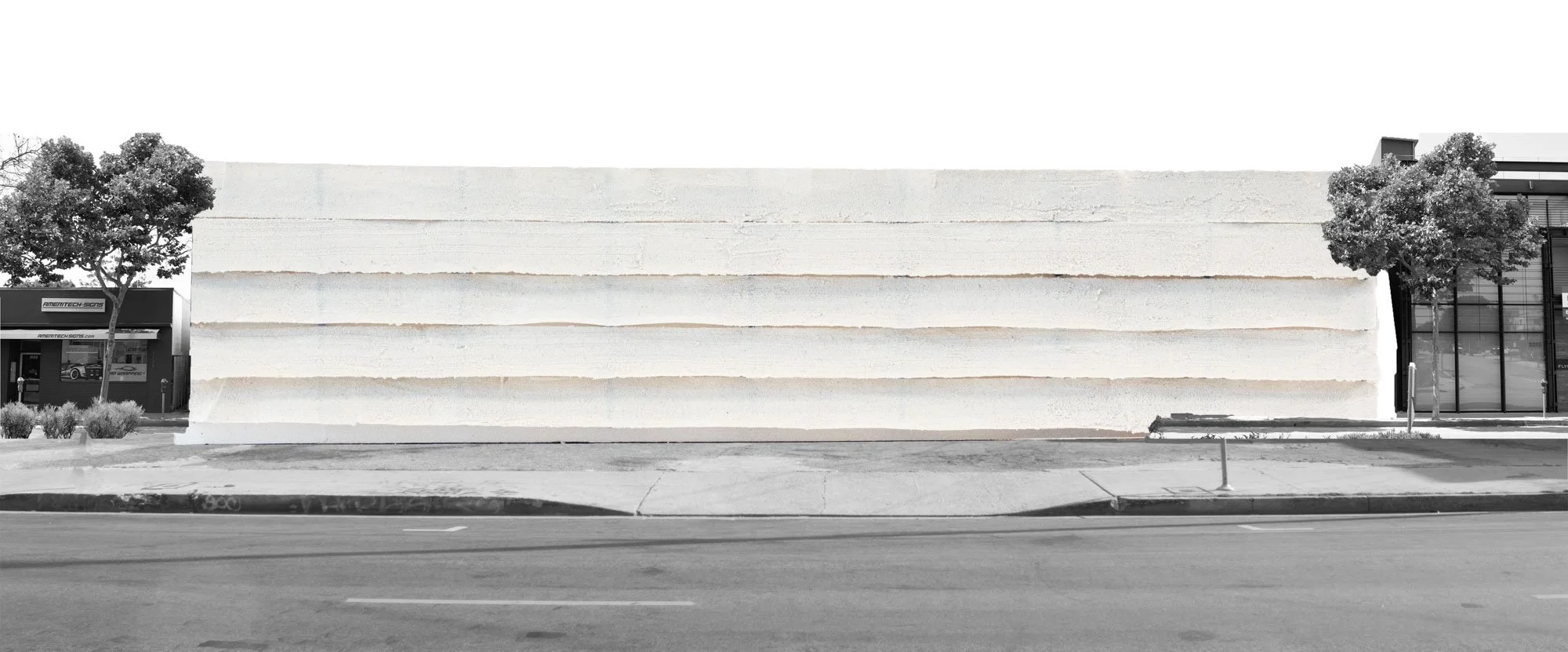
This thesis positions blankness as a critical architectural strategy that resists dominant expectations of legibility, performance, and visual clarity. Far from empty or neutral, blankness is framed as a spatial condition of ambiguity, one that withholds meaning, redirects perception, and resists narrative closure. The facade, in this context, operates not as a passive surface but as an active threshold, a site of projection, misdirection, and deferred meaning. Rather than communicate overtly, it invites alternate readings of identity, use, and presence.
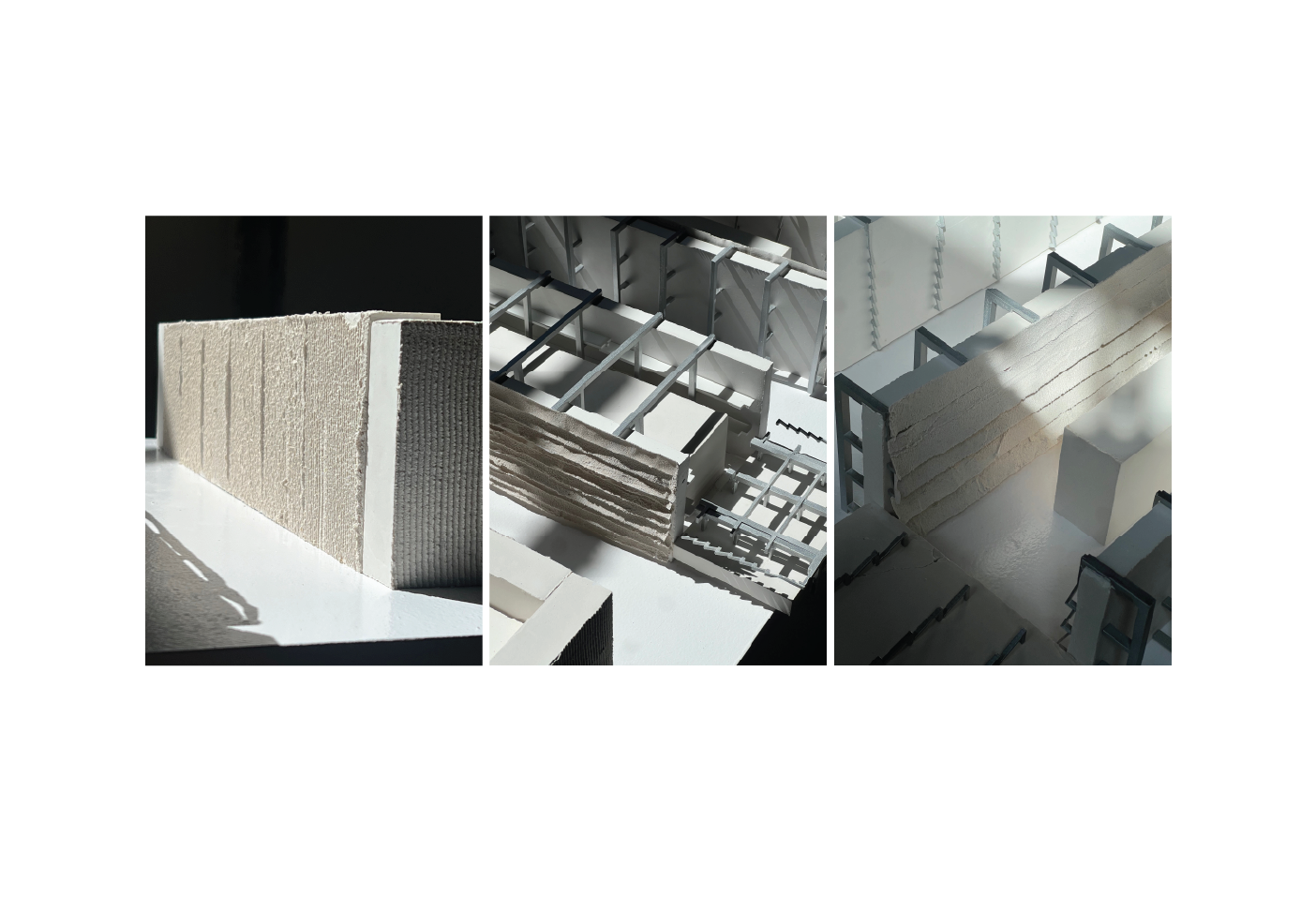
Set within the architectural landscape of Los Angeles, the project draws from the vernacular of stucco construction and patterns of informal reuse. Here, the surface becomes an instrument through which new relationships between image, materiality, and occupancy are composed. Transparency, often celebrated as a spatial ideal, is critiqued as insufficient for a city where privacy, estrangement, and withheld meaning are equally present. Opacity, expressed through texture and blankness, becomes a countercondition.
Influenced by Édouard Glissant’s theory of opacity, the project positions architecture as a medium capable of sustaining relational freedom without relying on full visibility or comprehension. Within this framework, stucco, often regarded as a cheap or generic cladding, is reinterpreted as a material embedded with cultural specificity and latent symbolic weight. Its ubiquity in Los Angeles allows it to operate both as a familiar surface and as a carrier of ambiguity, enabling an architectural language that is grounded, restrained, and quietly transformative. Rather than seeking distinction through novelty or spectacle, the project works through the overlooked and the ordinary, using material familiarity to propose new spatial and social conditions.
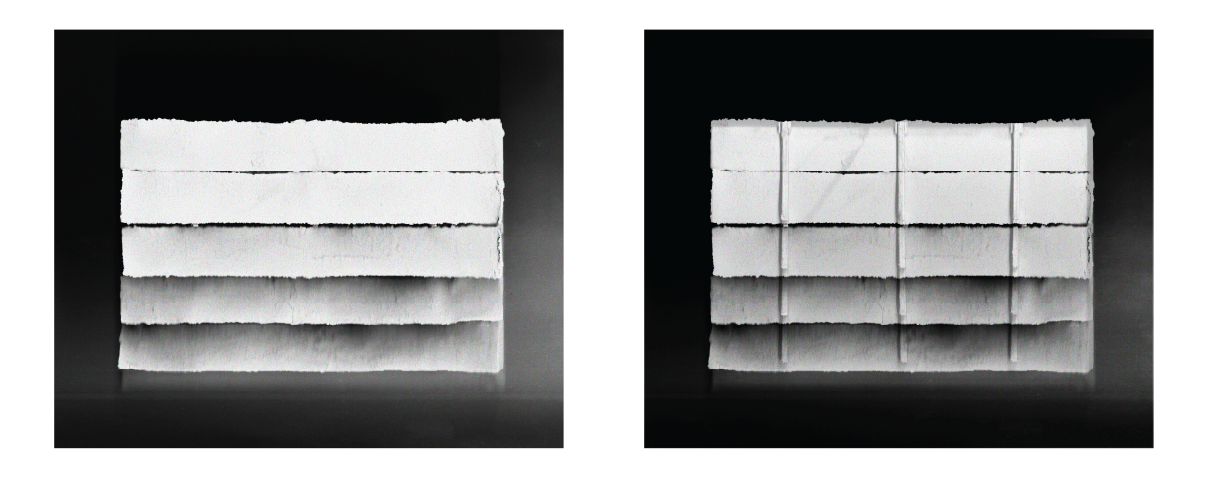
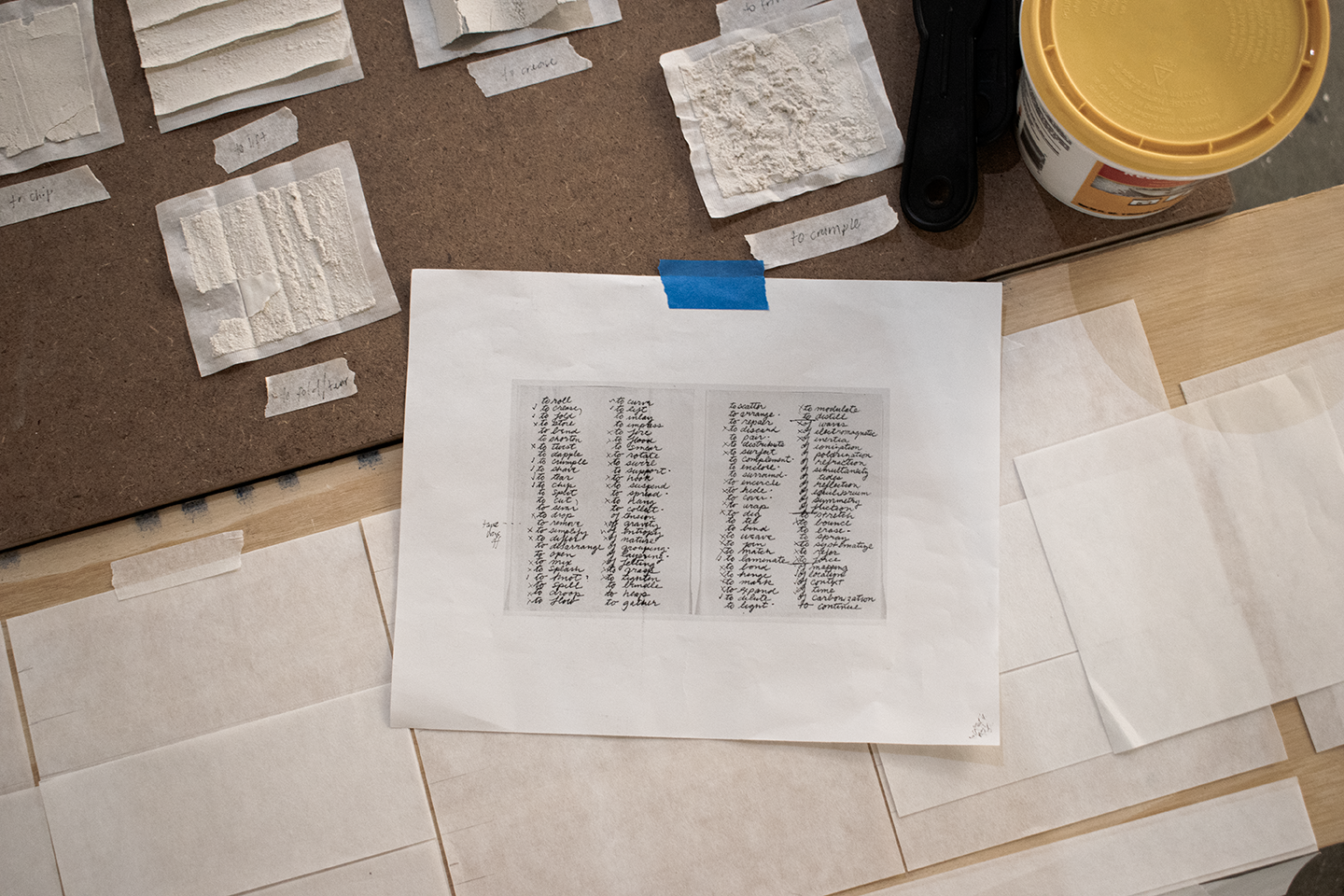
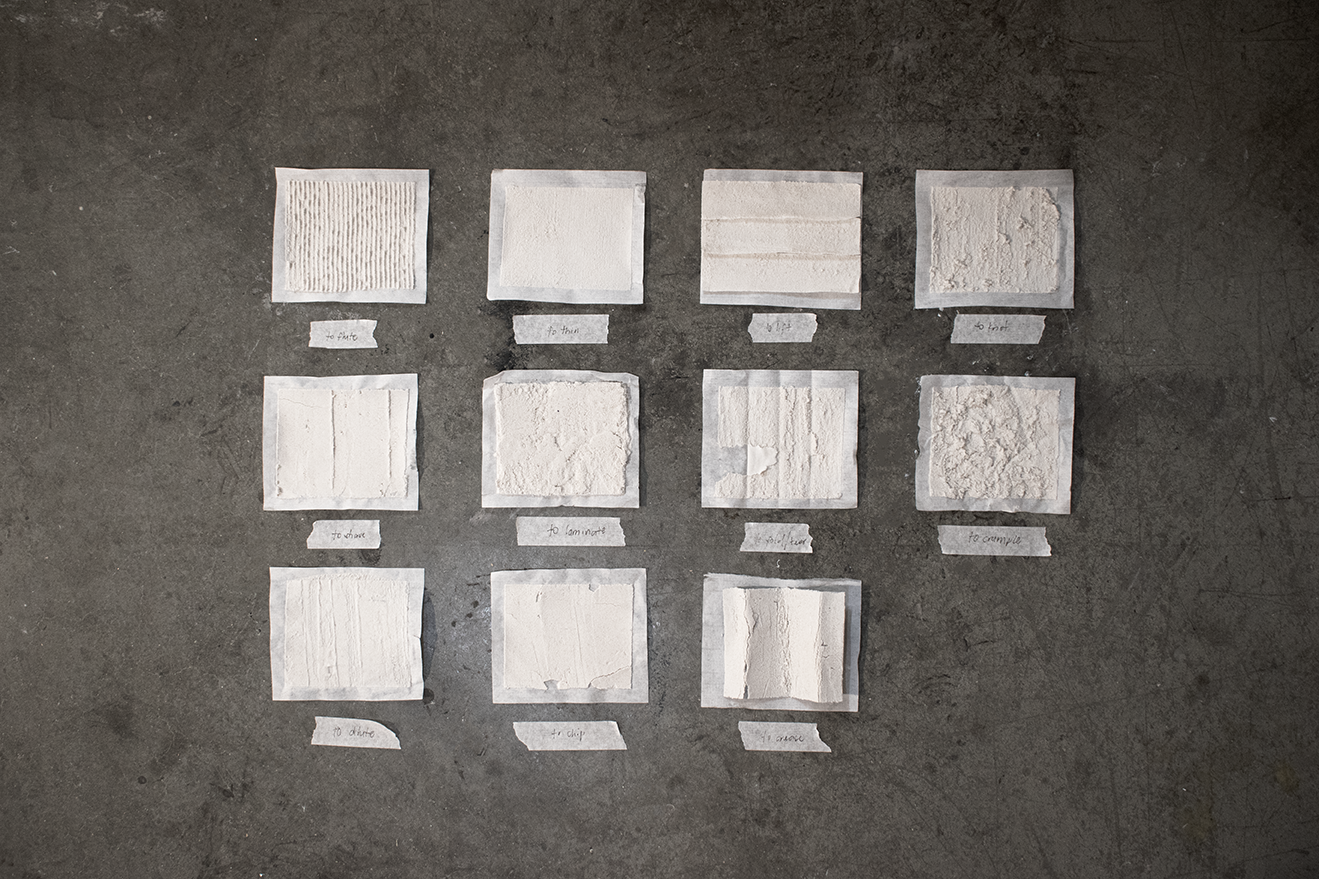
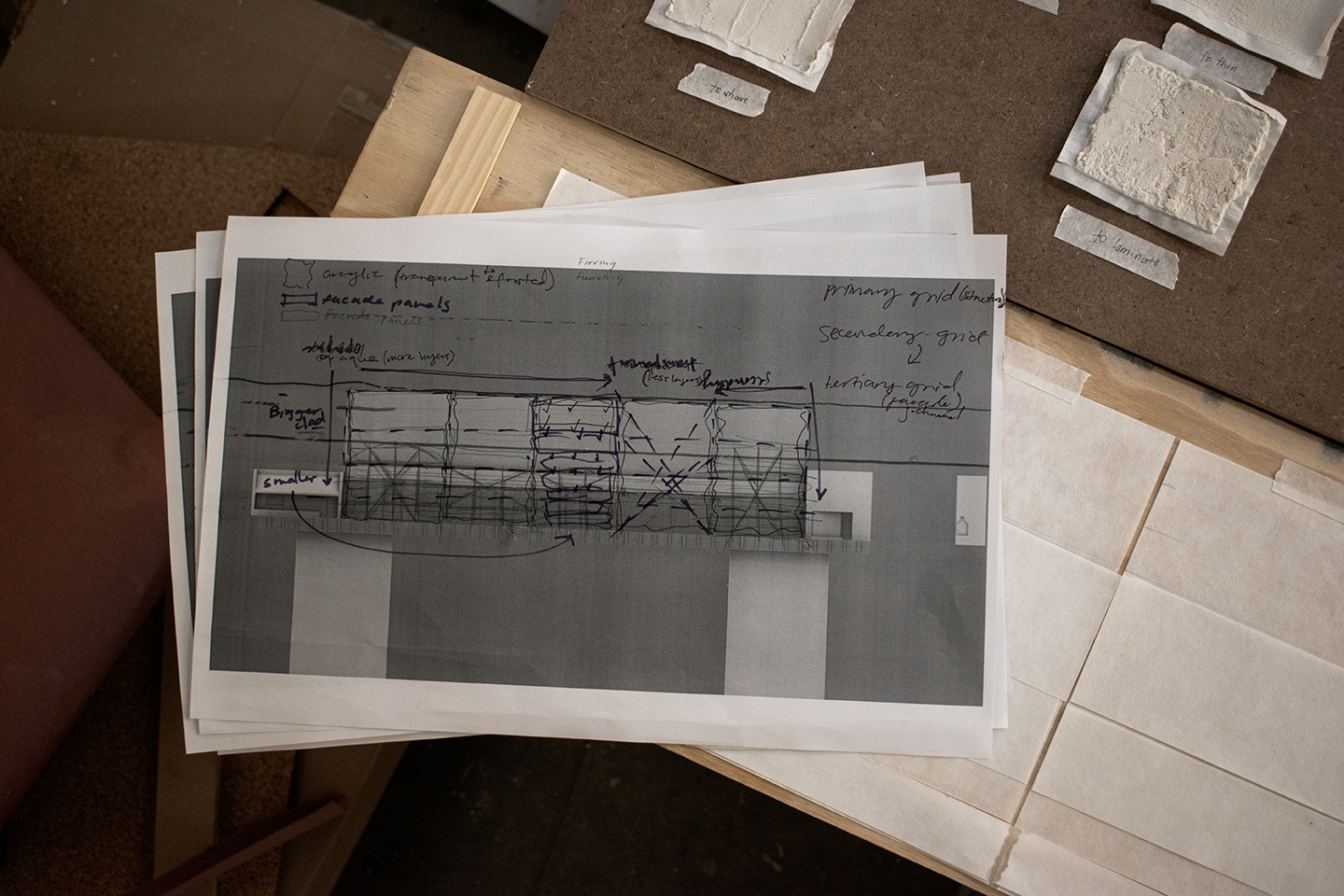
Blankness is employed as both a tectonic and textural strategy. At the tectonic level, it obscures the assembly of parts and renders spatial function deliberately indeterminate. At the textural level, it prioritizes the physical presence of surface over symbolic expression or legible form. Together, these approaches resist the architectural impulse to perform, communicate, or clarify. Instead, they advance a practice rooted in ambiguity, restraint, and the refusal of resolution. Blankness becomes a means of quiet resistance that asserts complexity in place of coherence and advocates for the right to remain undefined, unreadable, and opaque.