Dilara Şule Kipel
Memento
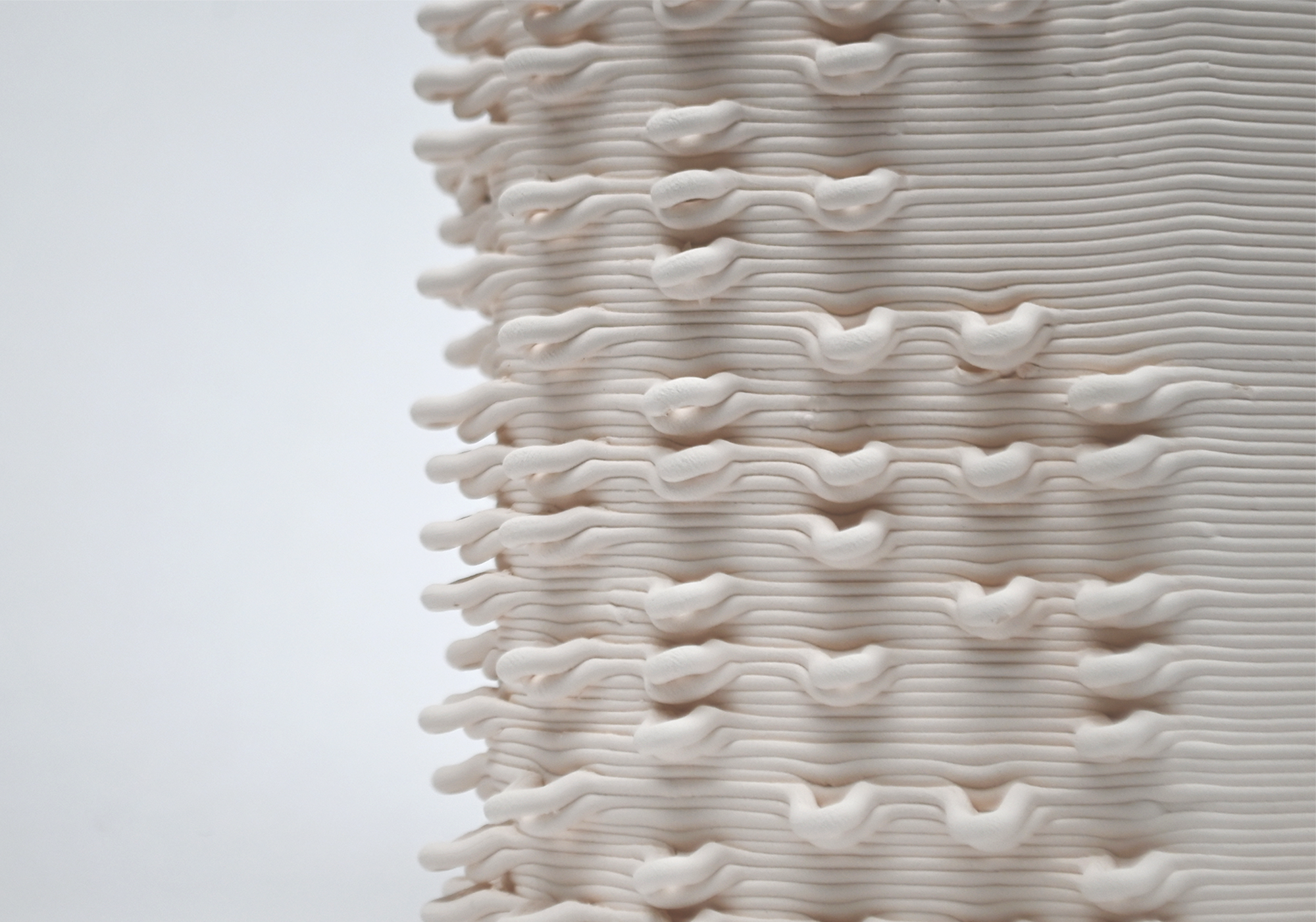
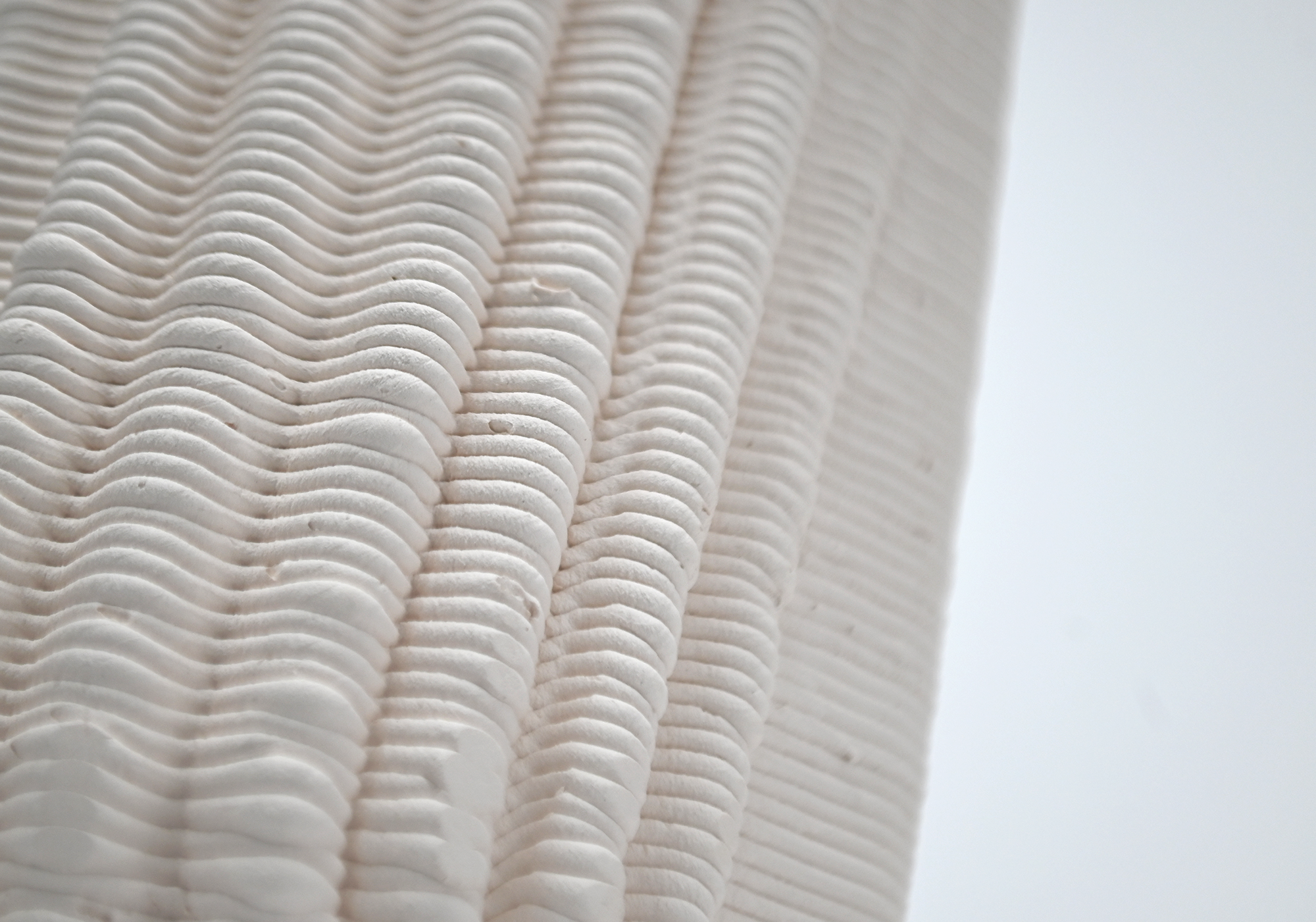
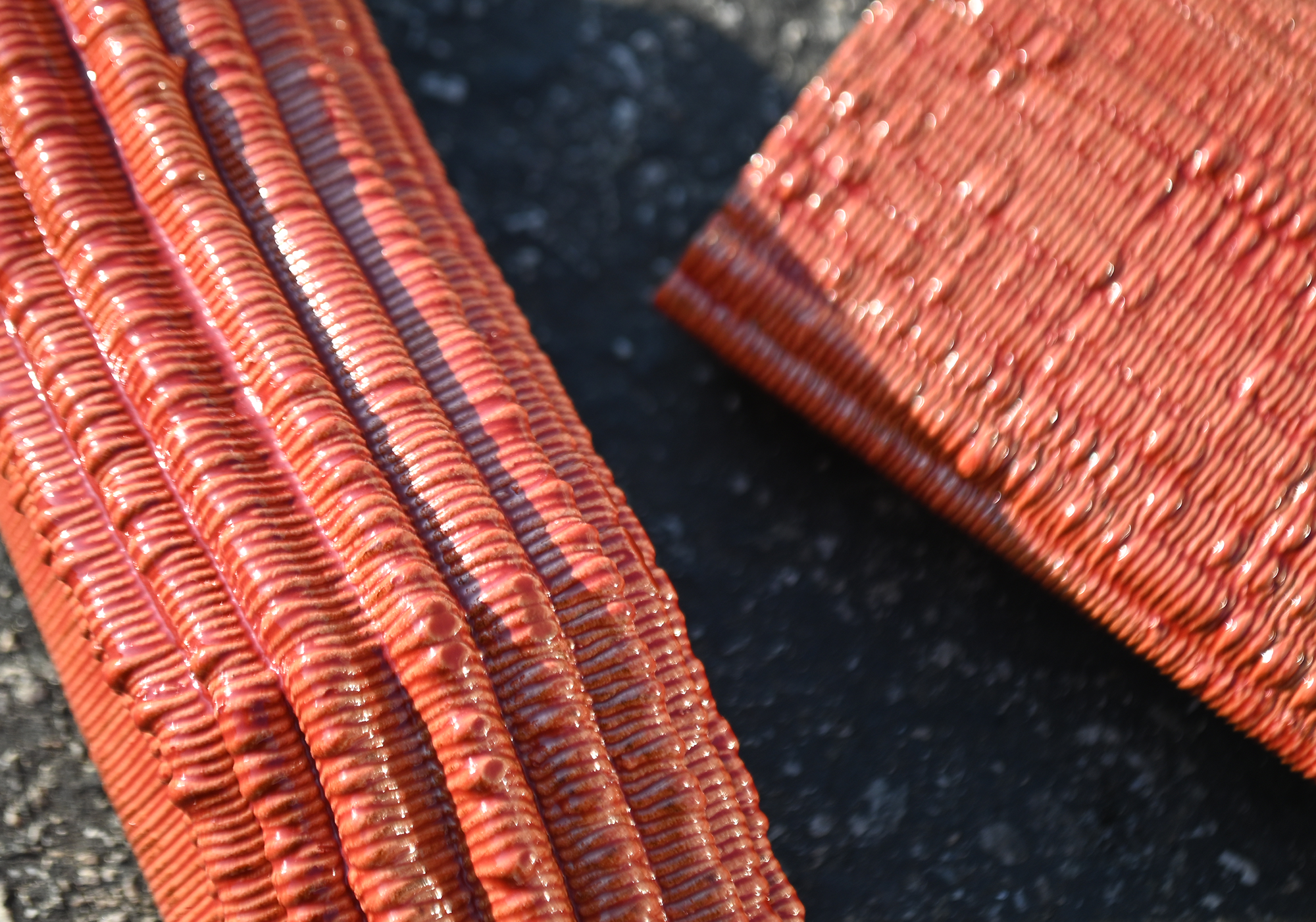
Memento proposes a reimagining of the architectural column; not only as a structural necessity but a generative spatial and cultural driver; through the introduction of ceramics as part of a multi-material system aimed at the revival of ornamentation in contemporary building design. The column will be made entirely of ceramics on the exterior, glazed and unglazed where necessary, allowing for an intense user experience. This will allow for the deviation of form from the popularised harsh geometries of flatness.
While the design is by the hand, detailed differently for each column, the production process consists of robotic integration, relying on computational accuracy while producing new moments for rustication throughout the column. Structurally, the clay will be used to form a formwork for poured concrete, becoming a part of the design as well as allowing for building function incorporation.
The columns forming this space are not simply monotonous structural elements, but become the functional systems needed for the structure’s maintenance while providing a habitat for the growth of different types of vegetation within the courtyard spaces. The columns form spaces of circulation, areas of respite, transforming into the space itself instead of becoming a necessary impediment.
Set within the dense concrete dominated context of modern-day cities, this space forms a new architectural and ecological urban incubator in the heart of the city, becoming a catalyst for revitalisation, enterprise, and biodiversity. Forming a vertical garden and an urban condenser where the structural elements actively contribute to ecological performance and community engagement. The column, reinterpreted through ceramic craft and advanced fabrication methods, becomes both the medium and the message; supporting the building physically while symbolizing a shift toward a more integrated, ornamented, and materially diverse urban future. Memento aims to demonstrate that the column, when reimagined, can transform from impediment to invitation, becoming the primary generator of beauty, functionality, and life within the city.