Info
Info
Info

INFORMATION

“Translation is taking on new forms this year, whether turning datasets into spatial proposals, physical models into digital systems, or environmental inputs into architecture. Across these varied approaches, architecture becomes a means of inquiry, grounded in making and attuned to both digital and material conditions.”

— Jackilin Hah Bloom, Graduate Thesis Coordinator

Over three days of reviews, 72 thesis students will present and engage their work in dialogue with over 80 guest critics from within and outside the discipline, alongside 17 faculty thesis advisors. This year’s projects will be alive with ideas and possibilities. We invite you to explore the work on view throughout the halls of SCI-Arc for an additional two weeks as part of the 2025 Graduate Thesis Exhibit.

“In a world that often struggles to imagine a different future, creativity in architecture becomes an act of hope, a way to envision, shape, and insist on possibilities beyond the present. Creation demands risk, vision, and responsibility; it asks us not only to understand what is wrong, but to imagine what could be right and to build it. In the face of global challenges that often seem overwhelming, the creative act becomes a form of resistance, of hope, and of agency. Especially in architecture, where the built environment reflects and shapes human experience, the power to design new possibilities is a necessity, not a luxury.”

— Elena Manferdini, Graduate Programs Chair

DIRECTOR/CEO

Hernán Díaz Alonso

VICE DIRECTOR/CHIEF ACADEMIC OFFICER

John Enright

GRADUATE PROGRAMS CHAIR

Elena Manferdini

GRADUATE THESIS COORDINATOR

Jackilin Hah Bloom

ASSISTANT TEACHER

Aram Radfar

TEACHING ASSISTANTS

Suleyman Aminzada Hongyue Dai

HISTORY + THEORY ADVISORS

John Cooper Erik Ghenoiu Marcelyn Gow

DESIGN ADVISORS

Matthew Au Herwig Baumgartner Jackilin Hah Bloom Ramiro Diaz-Granados David Eskenazi Damjan Jovanovic Zeina Koreitem Elena Manferdini Eric Owen Moss Anna Neimark David Ruy William Virgil Devyn Weiser Andrew Zago
Graduate Thesis ’25 · Graduate Thesis ’25 · Graduate Thesis ’25 · Graduate Thesis ’25 · Graduate Thesis ’25 · Graduate Thesis ’25 · Graduate Thesis ’25 · Graduate Thesis ’25 · Graduate Thesis ’25 · Graduate Thesis ’25 · Graduate Thesis ’25 · Graduate Thesis ’25 · Graduate Thesis ’25 · Graduate Thesis ’25 · Graduate Thesis ’25 · Graduate Thesis ’25 · Graduate Thesis ’25 · Graduate Thesis ’25 · Graduate Thesis ’25 · Graduate Thesis ’25 · Graduate Thesis ’25 · Graduate Thesis ’25 · Graduate Thesis ’25 · Graduate Thesis ’25 · Graduate Thesis ’25 · Graduate Thesis ’25 · Graduate Thesis ’25 · Graduate Thesis ’25 · Graduate Thesis ’25 · Graduate Thesis ’25 · Graduate Thesis ’25 · Graduate Thesis ’25 · Graduate Thesis ’25 · Graduate Thesis ’25 · Graduate Thesis ’25 · Graduate Thesis ’25 · Graduate Thesis ’25 · Graduate Thesis ’25 · Graduate Thesis ’25 · Graduate Thesis ’25 · Graduate Thesis ’25 · Graduate Thesis ’25 · Graduate Thesis ’25 · Graduate Thesis ’25 · Graduate Thesis ’25 · Graduate Thesis ’25 · Graduate Thesis ’25 · Graduate Thesis ’25 · Graduate Thesis ’25 · Graduate Thesis ’25 ·

Courtney Springbett

Advisor: Herwig BaumgartnerMA2

Changing Tides


The environments we inhabit are never static. They transform daily as tides shift and light changes, seasonally as weather patterns evolve, and over lifetimes as coastlines erode, reefs bleach, and sea levels rise. In my own lifetime, I have witnessed storms and swell events permanently reshape coastal communities, reducing beaches, destroying structures, and erasing habitats. These changes demand a design approach that does not resist the ocean’s cycles but works in collaboration with them.

Conventional erosion control relies on seawalls and breakwaters to dissipate wave energy. While effective in the short term, these interventions often damage marine ecosystems, leach harmful materials, and fail to provide habitat. This thesis proposes an alternative: a regenerative artificial reef system that simultaneously restores ecological function and supports human engagement.

The structure serves dual purposes, acting as a modular reef that mimics the crevices and textures essential for coral attachment and marine shelter, while functioning as an occupiable building for marine research, eco-tourism, and public interaction. Circulation routes and spatial access shift with tidal changes, encouraging visitors to experience the architecture as a dynamic system.

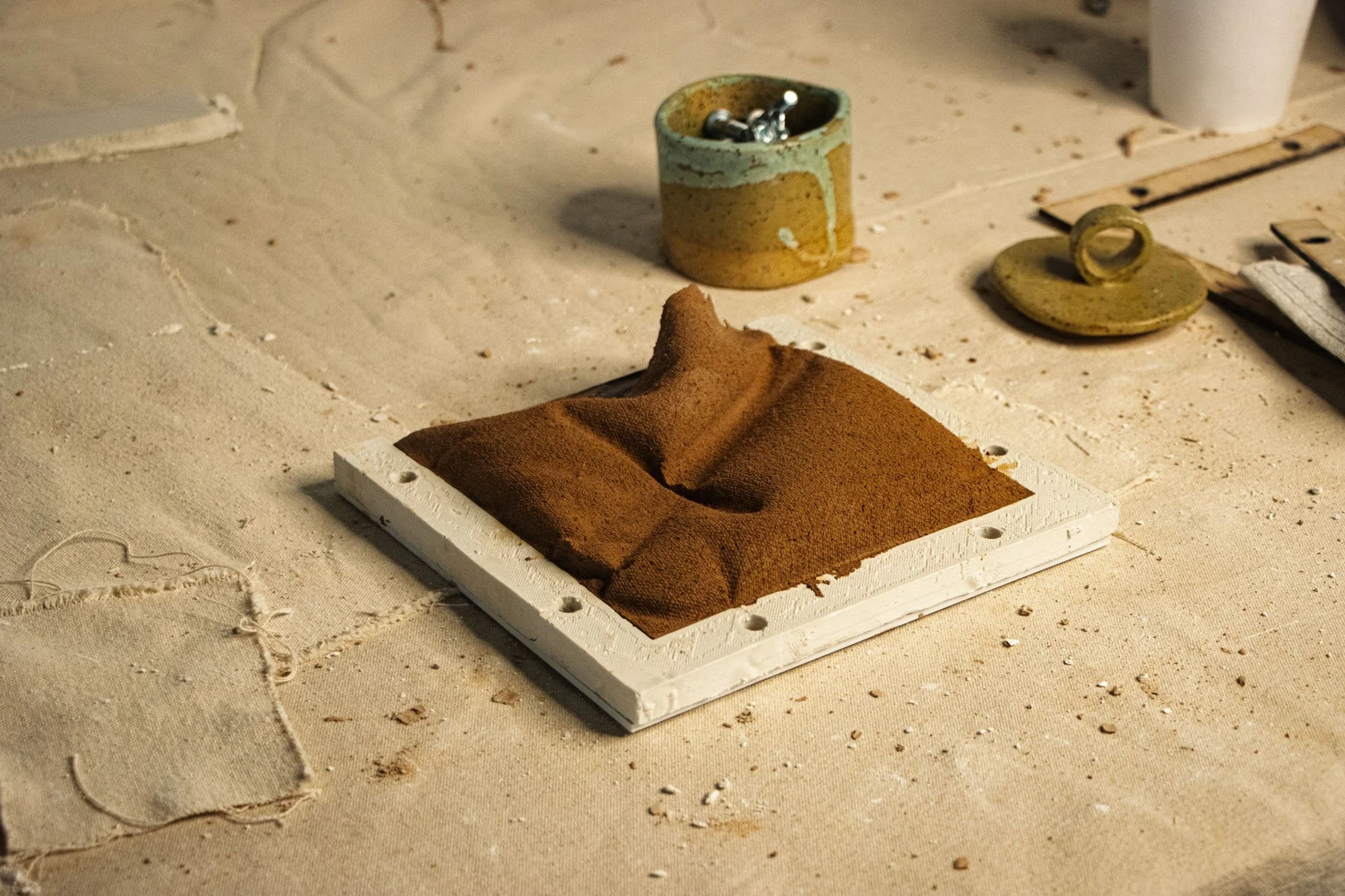
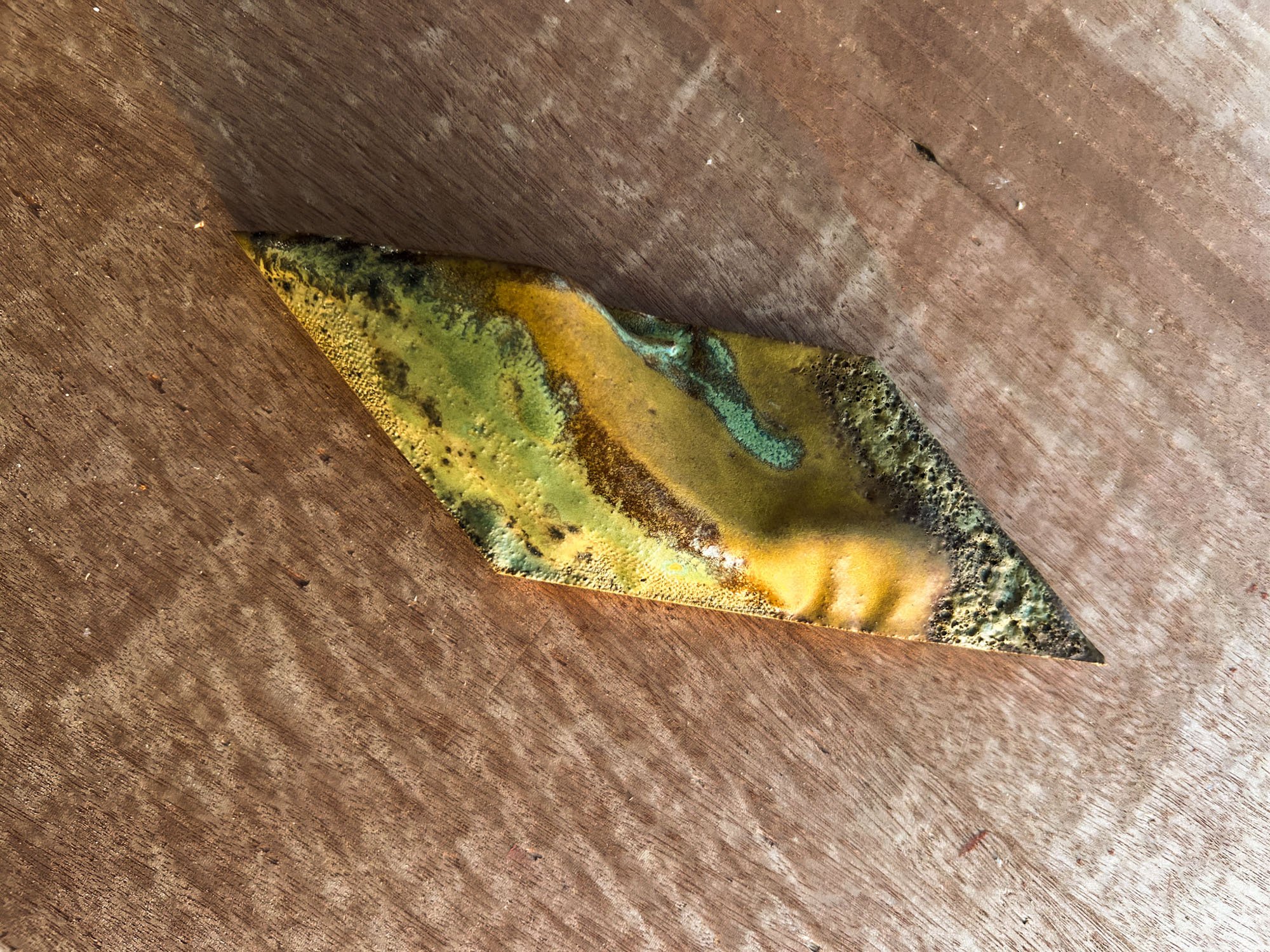
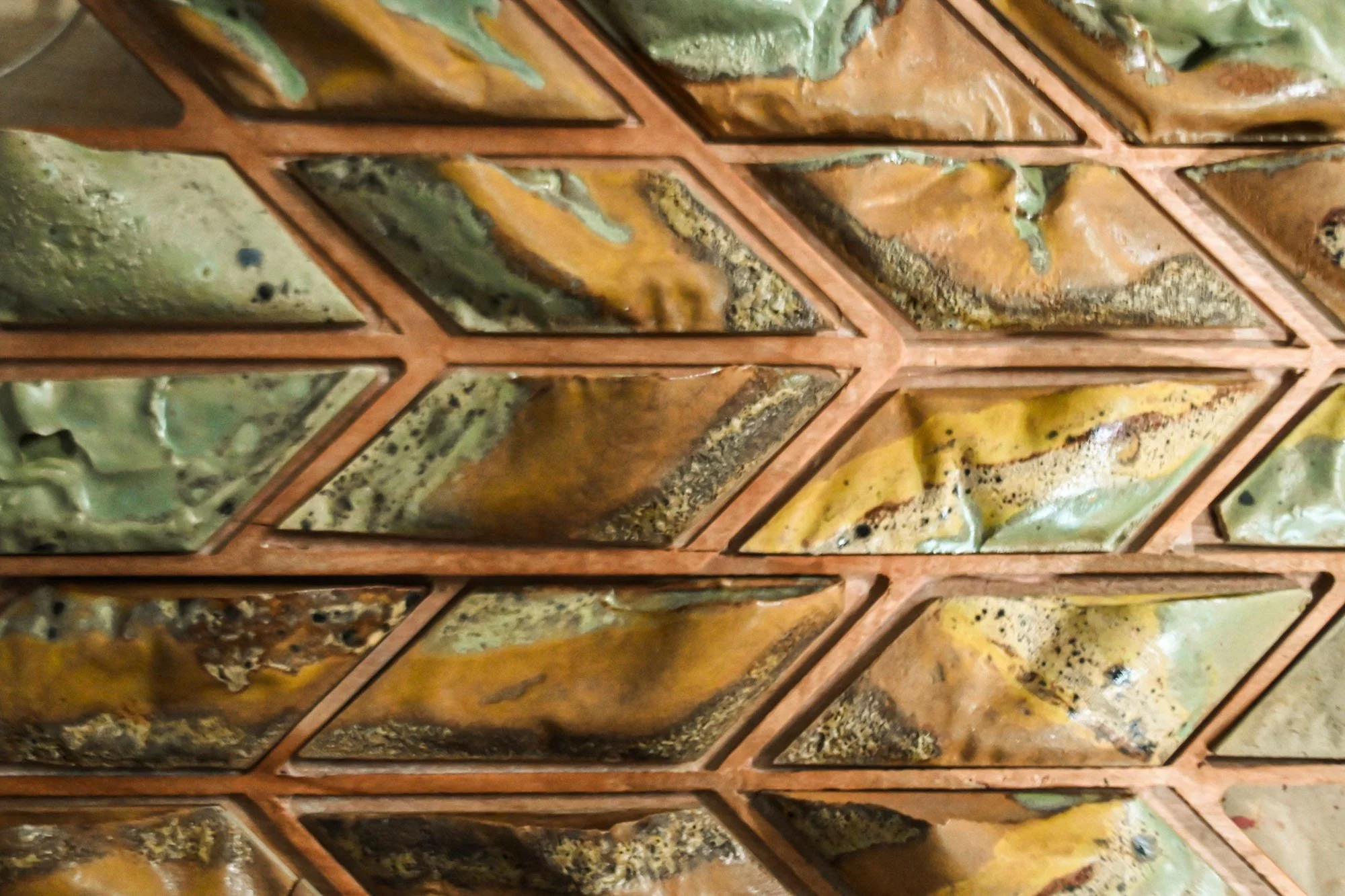
Fabric-formed casting methods create a unique, varied surface for each reef module, combining controlled geometry for assembly with irregular, porous textures ideal for colonization. Over time, the structure becomes a living archive—its surfaces layered with coral growth, algae, and the physical record of environmental change.

This thesis repositions architecture as a participatory ecosystem, one that embraces adaptation, temporal transformation, and cohabitation between human and nonhuman life. By integrating ecological performance with public engagement, the project offers a model for coastal resilience—an evolving structure that protects shorelines, restores biodiversity, and deepens our cultural and emotional connection to the sea.


Section Drawing
Site Plan Before
Site Plan After
Casting Image
Single Wall Panel
Wall Panels Facade
Alonso Alonso · Carissa Auth · Yoon Kyung Bai · Shaikha Ben Sabt · Shaheen Bharwani · Esteban Chavez · Geng Chen · Yuhang Chen · Monica Cherrington · Yi Cheung · Krish Dittmer · Sabrina Ellison · Yingzhe Fan · Drake Gaither · Paula Guerrero · Jonathan Guirguis · Nash Guyre · Yeasuh Ha · Jun Han · Yi Han · Basheer Hejal · Haven Henningsen · Minkuan Hu · Sean Keeley · Jinyun Kim · Dilara Şule Kipel · Noah Knuckles · Zachary Kuderna · Sze-Hin Jason Leung · Acacia Li · Jia Li · Yian Li · Zhengda Liu · Maxwell Lorenze · Noah Losani · Huihao Ma · Piyush Mahulkar · Oskar Maly · Carlos Martin · Quinn McCormack · Taylor Naftali · Chuwei Ni · Tarunima Nigam · Gabriella Pena · Samuel Perng · Harrison Phan · Sagar Ratnani · Jesus Renteria · Aahan Sakhuja · Brian Slusher · Carson Somer · Courtney Springbett · Werakul Srihahsan · William Tan · Mingfei (Allen) Teng · Modhi Tifouni · Karlson Spencer Ty · Giuseppe Vecchio · Raymund Vista · Chunjie Wang · Ke Wang · Jack Wasielwski · Wang Ching Wong · Kaijiani Wu · Ruozheng Wu · Chen Xu · Yunpeng Xu · Phuchong Yamchomsuan · James Yeh · Shander Yeh · Xiaoyun Zeng · Xintong Zhu ·  Alonso Alonso · Carissa Auth · Yoon Kyung Bai · Shaikha Ben Sabt · Shaheen Bharwani · Esteban Chavez · Geng Chen · Yuhang Chen · Monica Cherrington · Yi Cheung · Krish Dittmer · Sabrina Ellison · Yingzhe Fan · Drake Gaither · Paula Guerrero · Jonathan Guirguis · Nash Guyre · Yeasuh Ha · Jun Han · Yi Han · Basheer Hejal · Haven Henningsen · Minkuan Hu · Sean Keeley · Jinyun Kim · Dilara Şule Kipel · Noah Knuckles · Zachary Kuderna · Sze-Hin Jason Leung · Acacia Li · Jia Li · Yian Li · Zhengda Liu · Maxwell Lorenze · Noah Losani · Huihao Ma · Piyush Mahulkar · Oskar Maly · Carlos Martin · Quinn McCormack · Taylor Naftali · Chuwei Ni · Tarunima Nigam · Gabriella Pena · Samuel Perng · Harrison Phan · Sagar Ratnani · Jesus Renteria · Aahan Sakhuja · Brian Slusher · Carson Somer · Courtney Springbett · Werakul Srihahsan · William Tan · Mingfei (Allen) Teng · Modhi Tifouni · Karlson Spencer Ty · Giuseppe Vecchio · Raymund Vista · Chunjie Wang · Ke Wang · Jack Wasielwski · Wang Ching Wong · Kaijiani Wu · Ruozheng Wu · Chen Xu · Yunpeng Xu · Phuchong Yamchomsuan · James Yeh · Shander Yeh · Xiaoyun Zeng · Xintong Zhu ·