Chunjie Wang
Urban Threshold
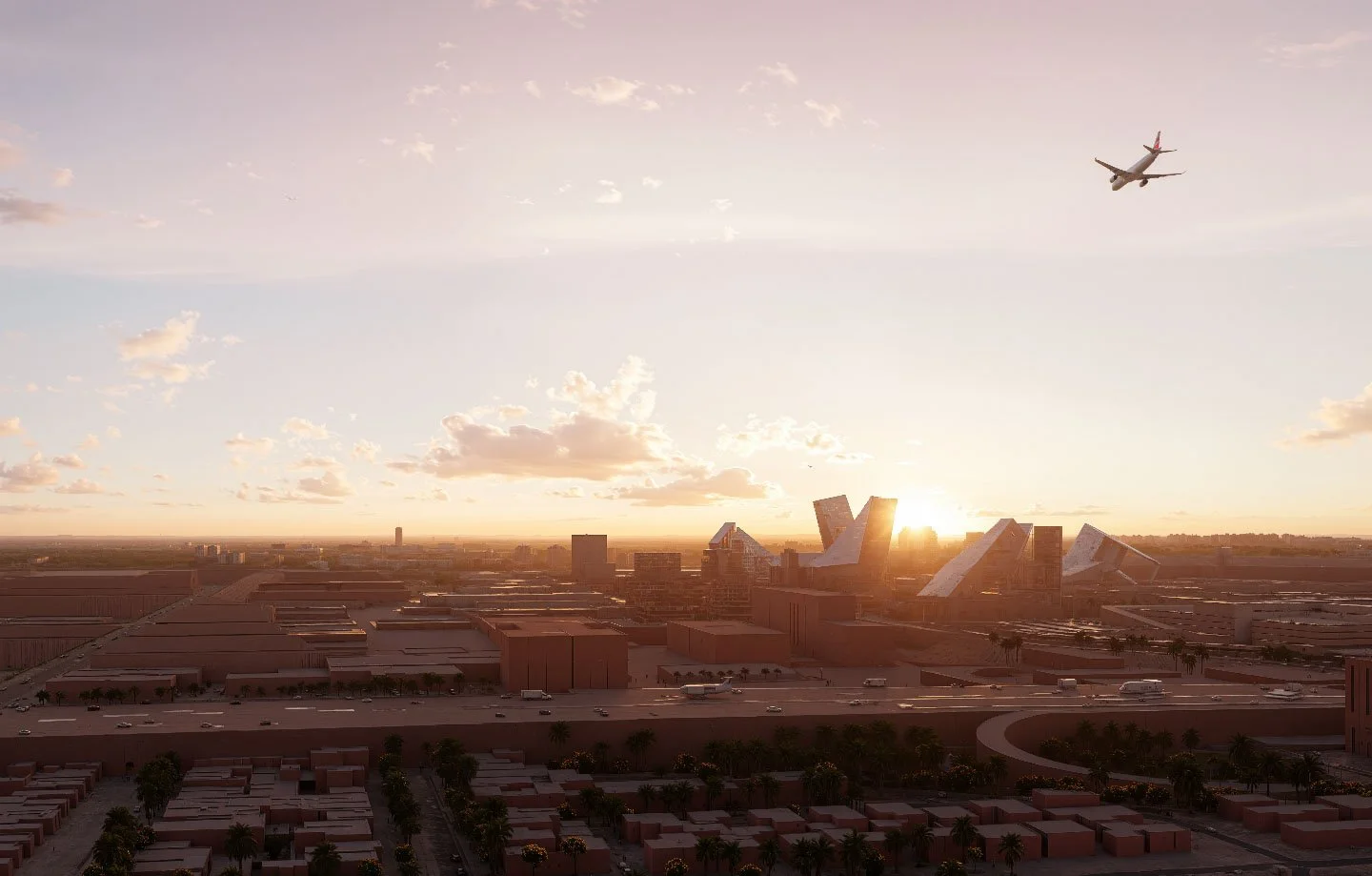
As one of the newest architectural typologies, the airport has changed so much within just a century—evolving from a simple “bus stop” for planes into a megastructure combining transportation, logistics, and retail.
However, in recent decades, the rapidly growing number of travelers and increasingly complex airport procedures have made the airport experience frustrating.
Airport districts have become enclosed urban entities, operating as closed systems that are often disconnected from their host cities, both physically and socially. These large and isolated areas often act as typical non-places, where there is little sense of identity, history, or human connection. For most travelers, their role within these spaces is reduced to a boarding pass and a seat number—stripped of personal or cultural meaning.
In this context, breaking down boundaries and activating cultural and economic connections becomes the prerequisite for the development of an aerotropolis economy.
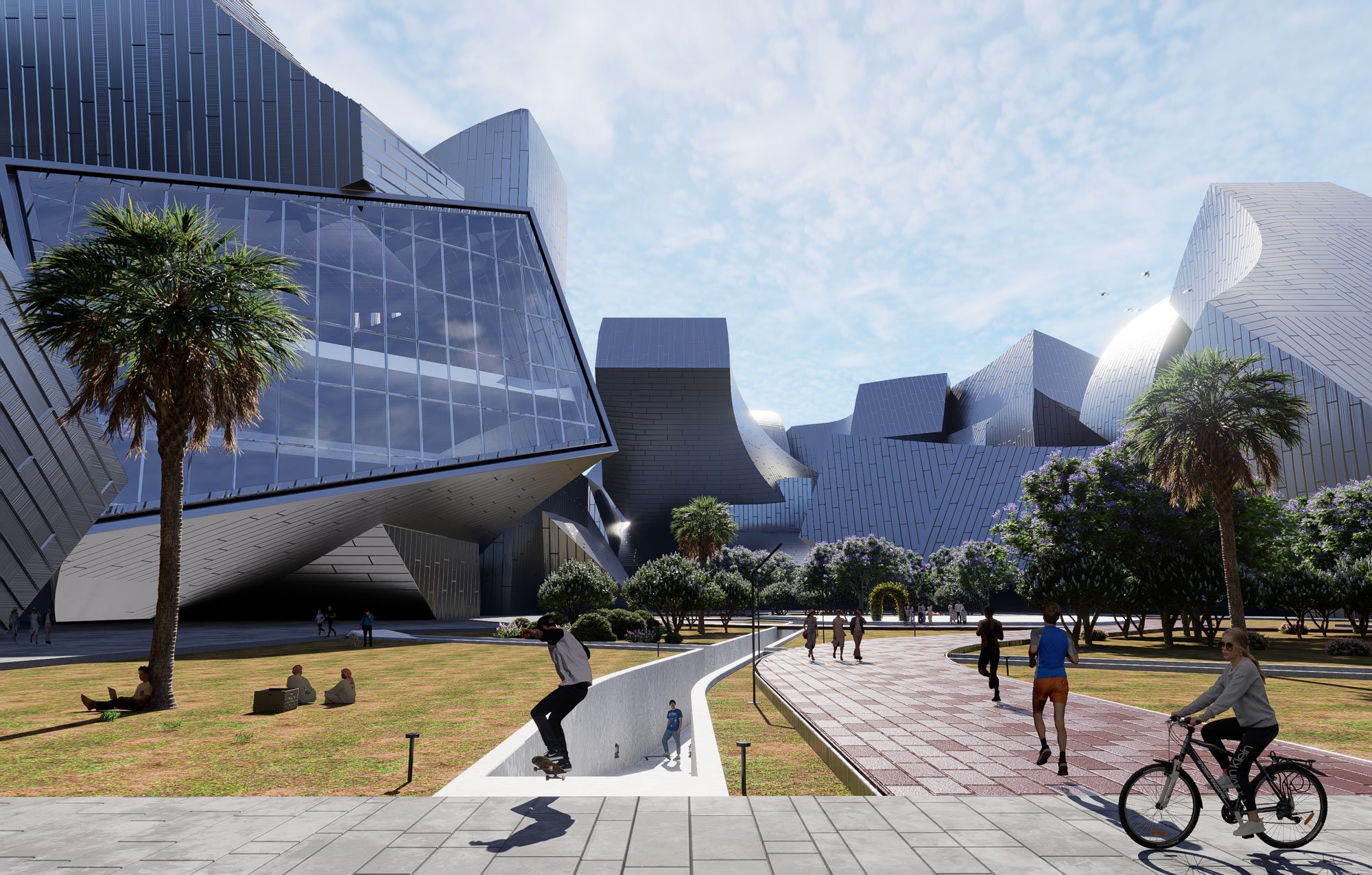
This strategy directly addresses the identity loss often found in airport and related environments, which function as typical non-places. While non-places are defined by anonymity, uniformity, and transience, a legible spatial structure can reintroduce orientation, memory, and emotional connection.
Each spatial element within the complex—whether a plaza, a library, or an exhibition hall—serves as a recognizable anchor embedded with cultural meaning. Landmarks act as both orientation points and expressions of local identity. Paths become curated journeys lined with public art and sensory variation. Thematic districts organize the building into zones for learning, culture, leisure, and mobility, allowing users to situate themselves both functionally and symbolically.