Carson Somer
Ad Hoc Americana
In many postwar neighborhoods within Los Angeles, property maintenance defines the physical status quo. Such as faltering roofs, leaning columns, and peeling facades. The rain is heavier now, and roofs leak. Days are hotter, while insulation and siding peel off. Upholding the 1950s image of the American Dream is an ongoing campaign battling decay of materials, and of the dream itself.
In neighborhoods like Vermont Square, ad-hoc maintenance and living strategies work to accommodate 21st century Los Angeles. Such as tarping and patching, unpermitted extensions of living space, surface level fixes, or an abundance of unfinished retrofitting attempts. Side yards act as expanded kitchens, tarps temporarily provide shade, while front yards and sidewalks act as an indirect billboard for one's identity and how they express it. Through the decay of the property, the traditional residential performance also decays, where stable suburban boundaries are eased in favor of multivalent living accommodations.
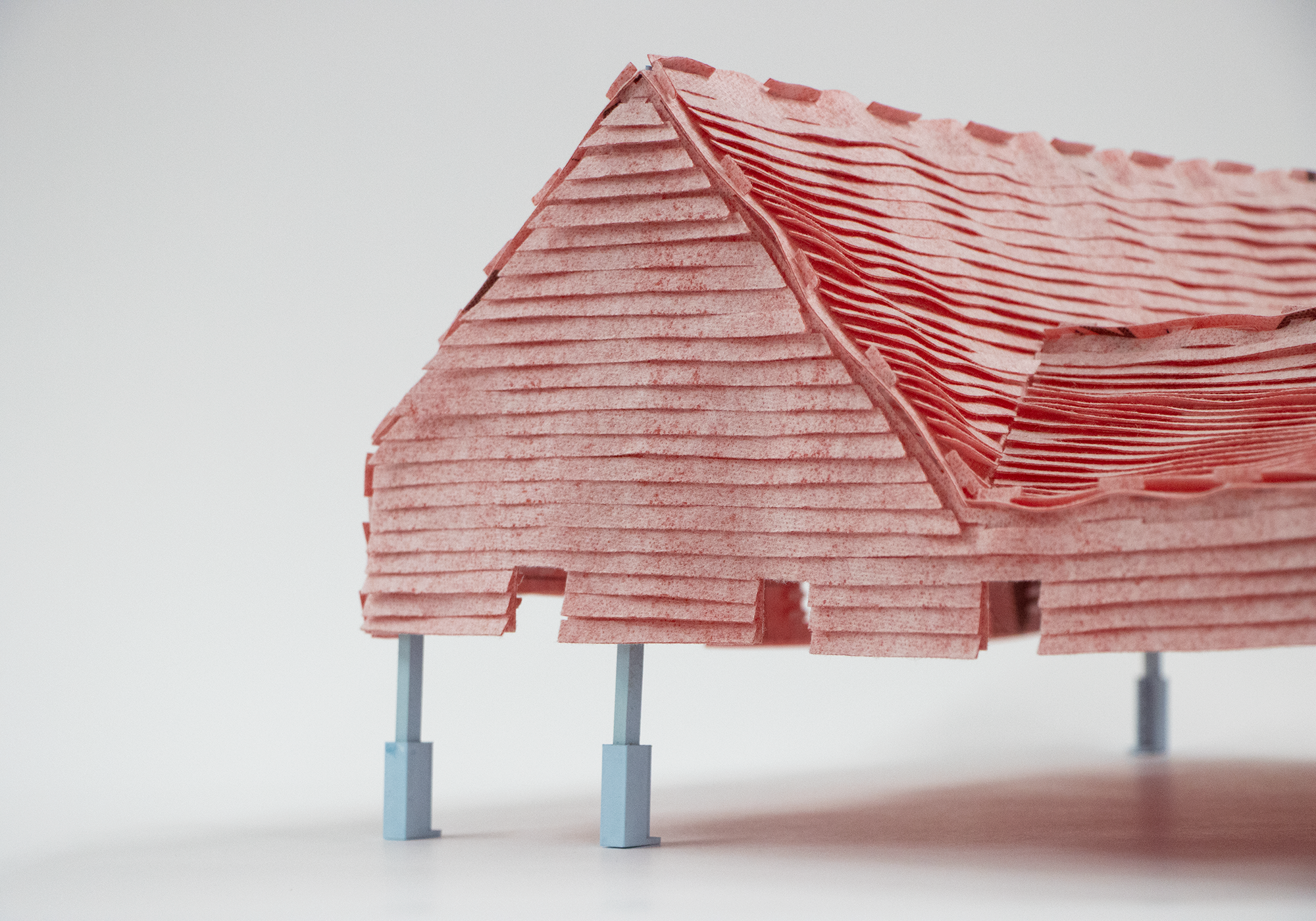
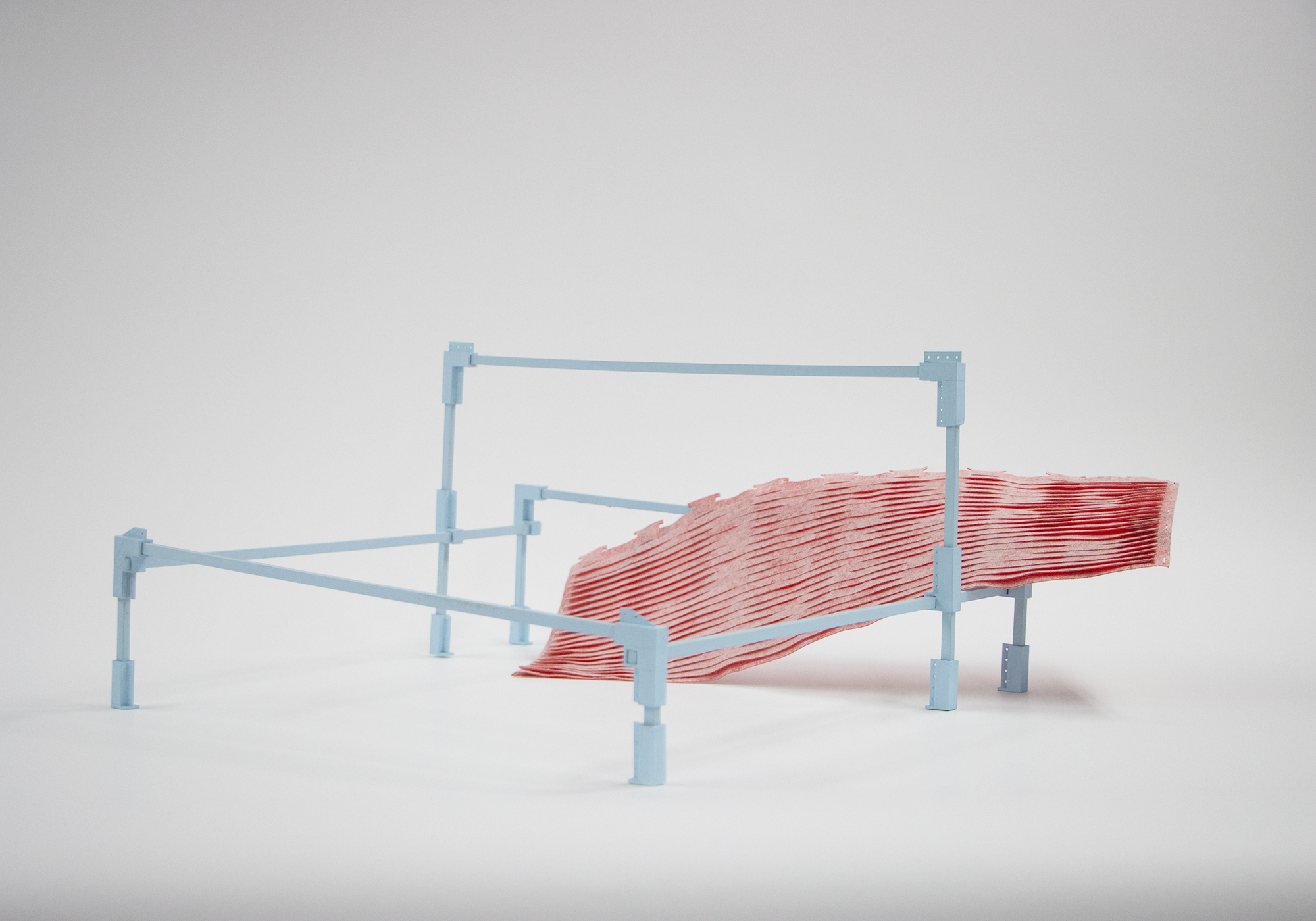
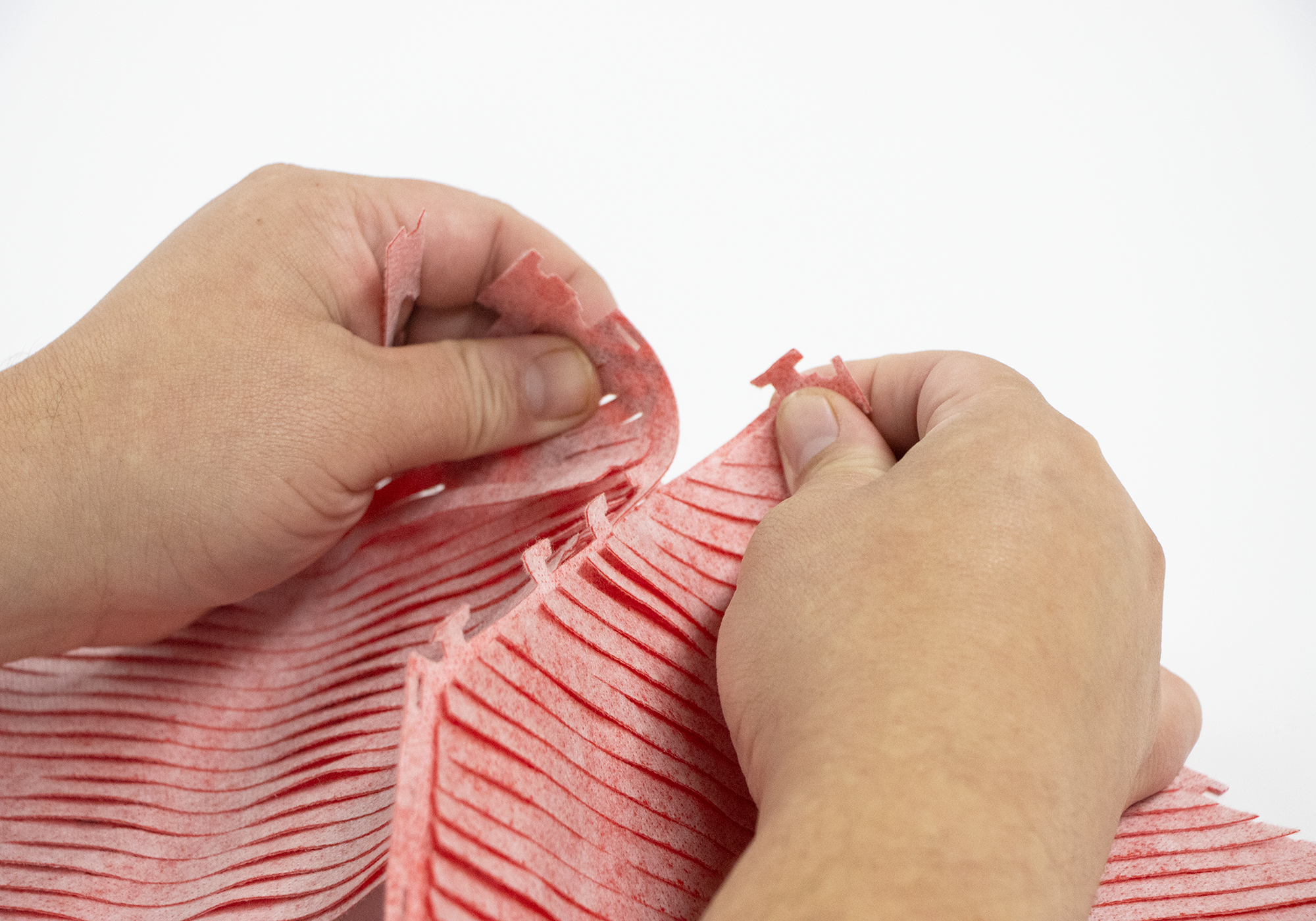
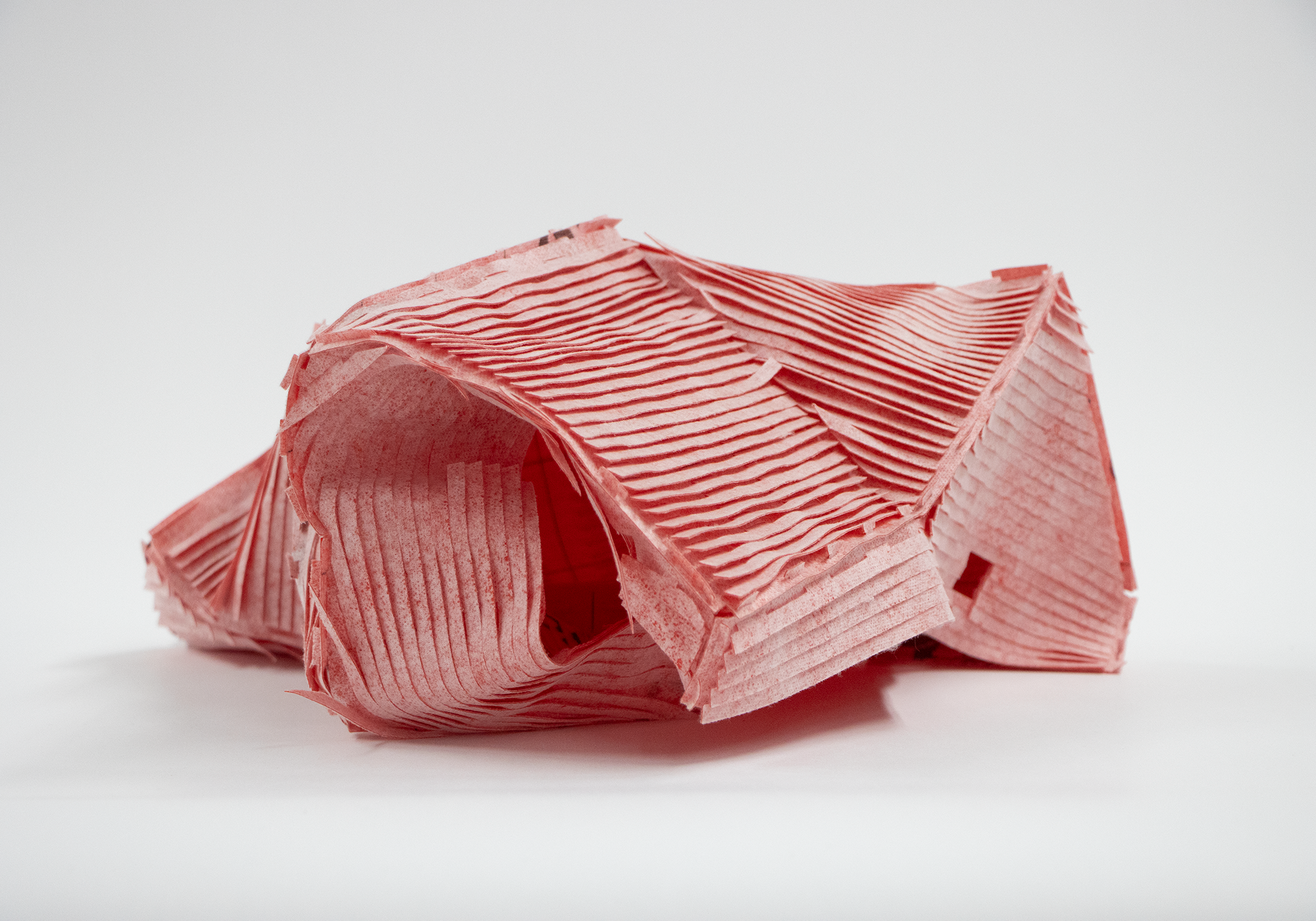
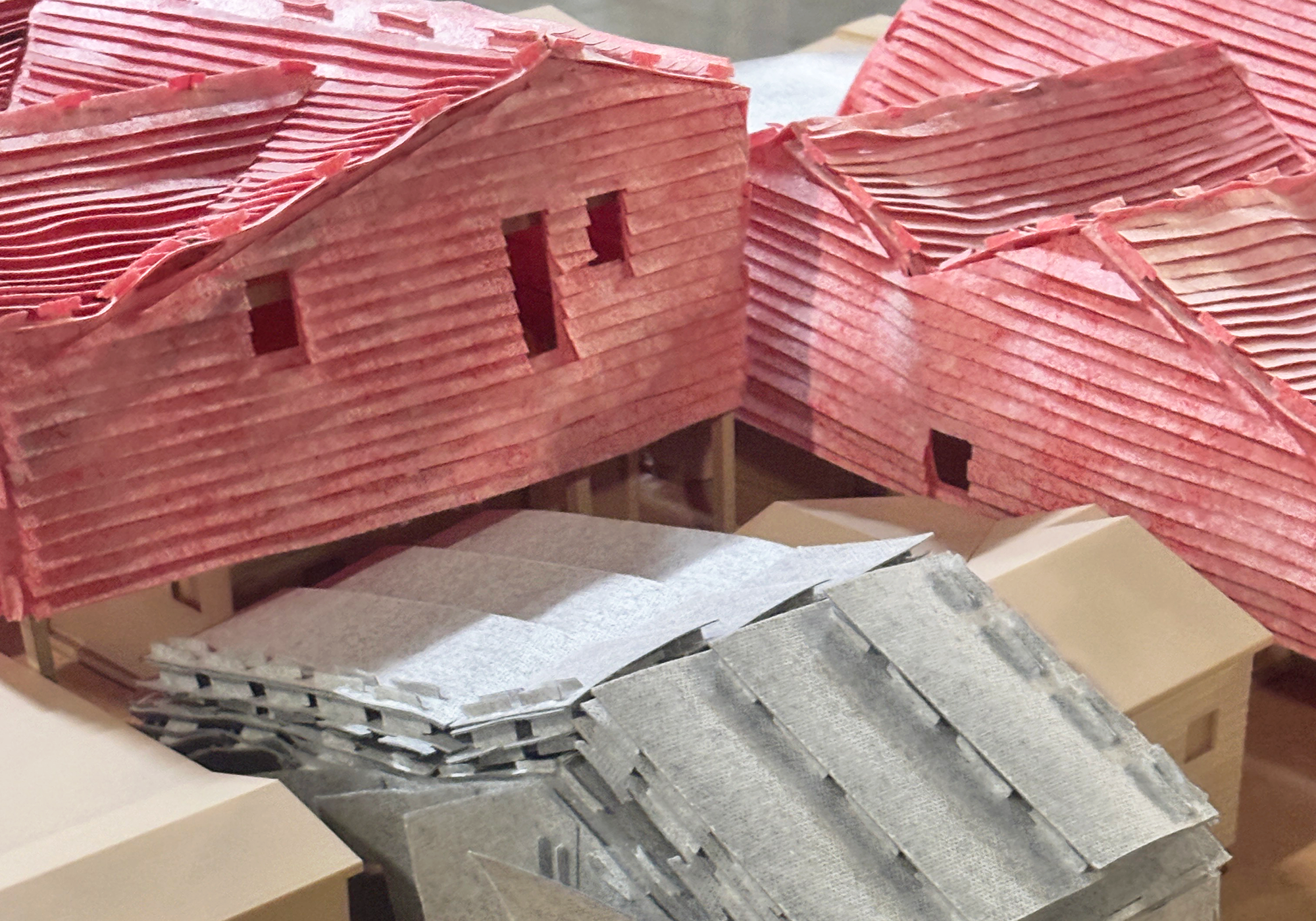
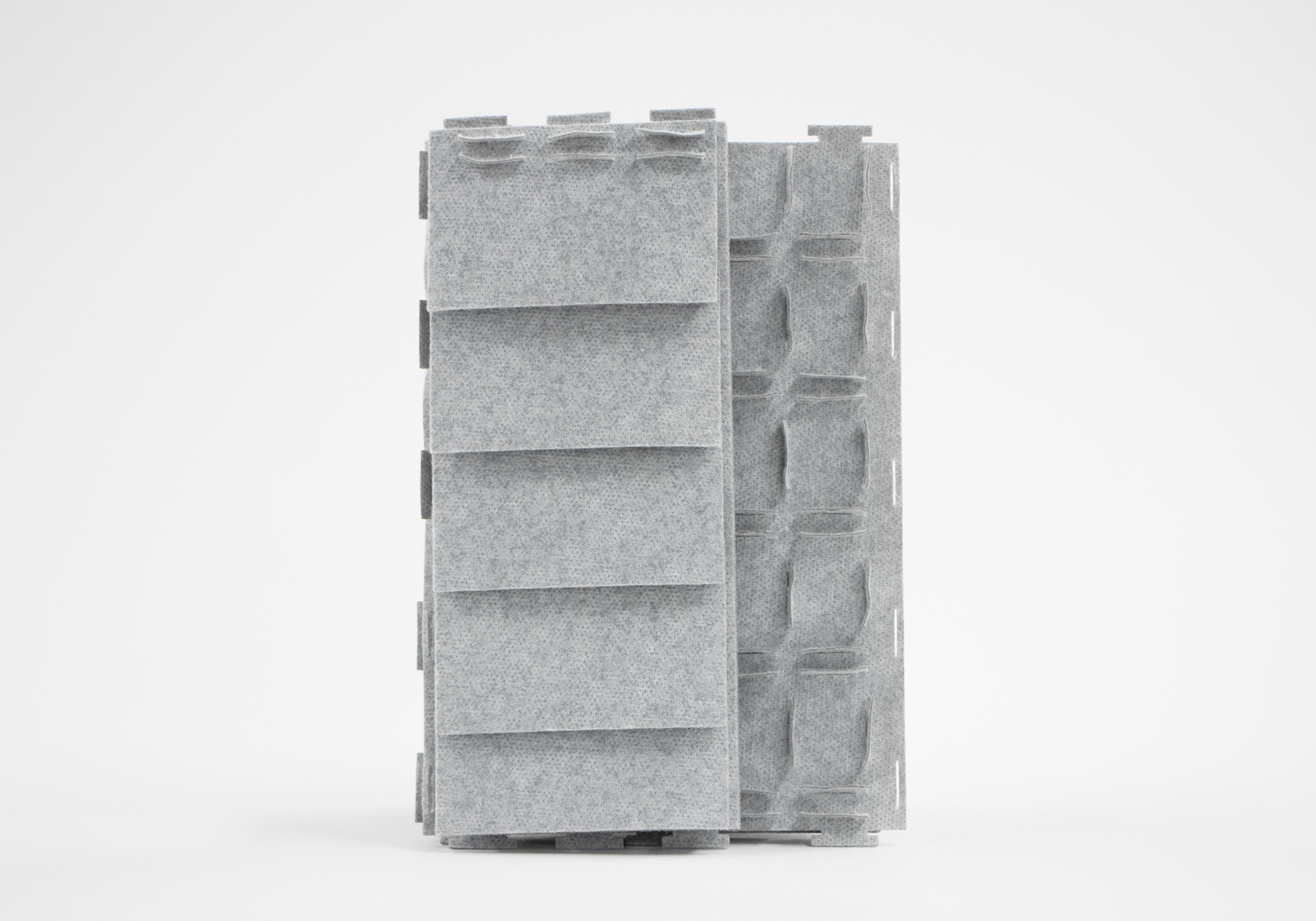
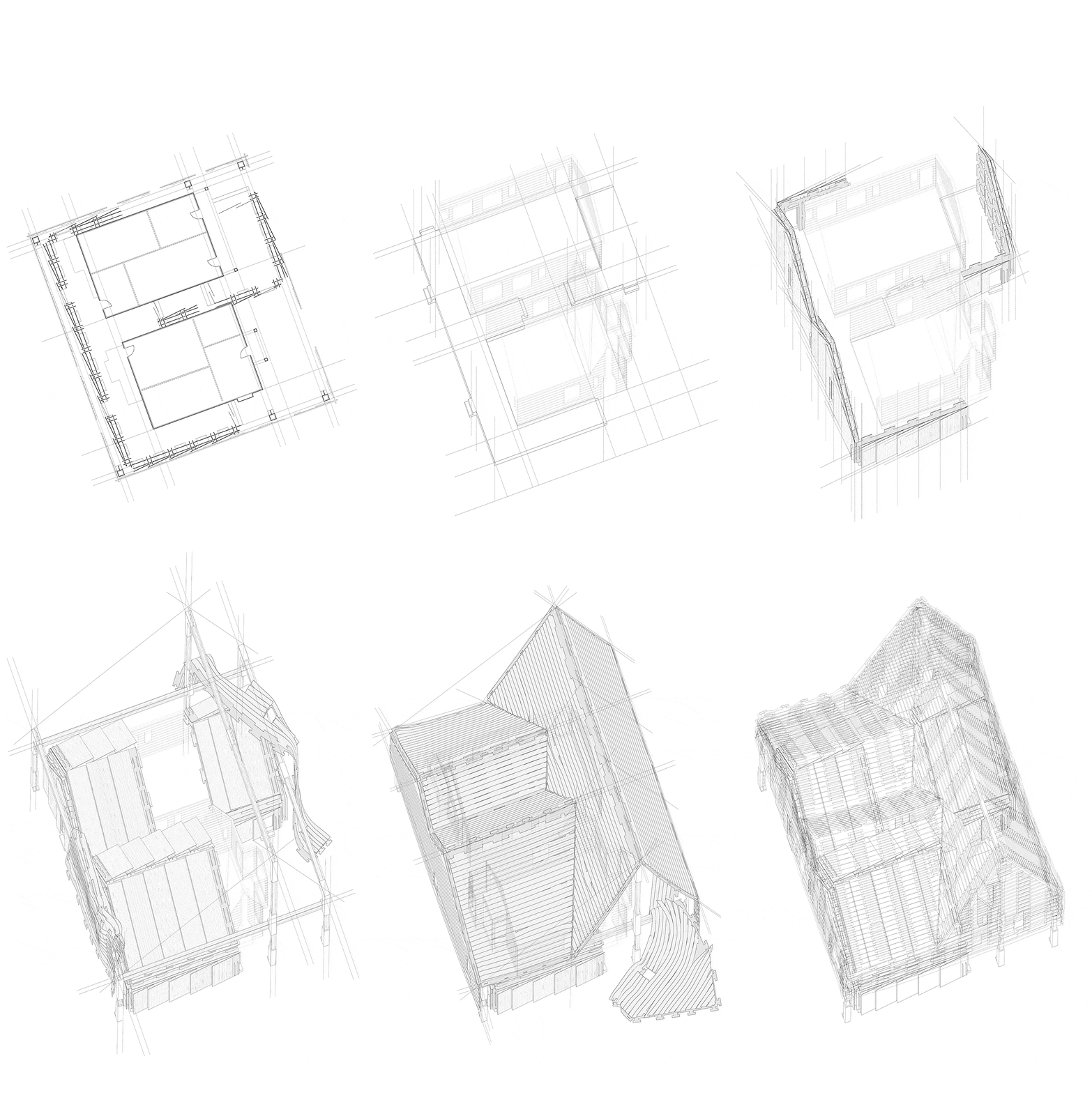
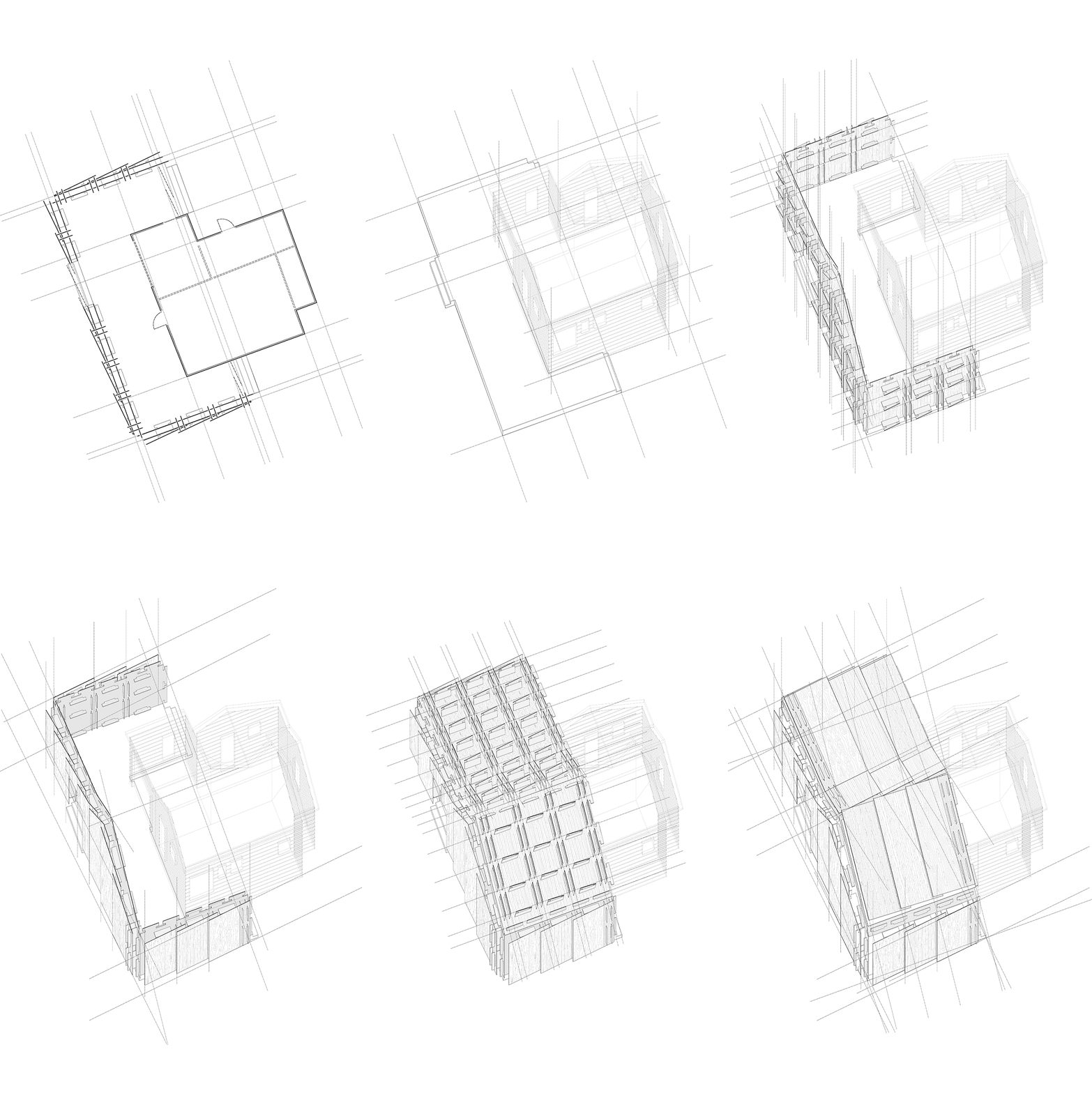
“Ad Hoc Americana” offers an opportunity to formalize the existing aesthetics and living situations that confront the post-war suburb. Where maintenance materials such as waterproofing, existing informal spaces such as food vendors, and personal identity captured within the front yard are all stitched together into one expanding intervention. This intervention becomes a temporary monument that embodies the character of the neighborhood through the expansion, stitching, and redefinition of the identity and boundaries of the suburb.Overall this project becomes an interlude that is not right now, nor is it the utopian ideal of a suburb, it's the in-between moment that helps move the narrative of the suburbs through the current housing crisis we have today.